

The Sacred Semiotics: Unpacking Sign and Symbol in Religion
Religious experience, at its core, is often an encounter with the ineffable, a realm beyond ordinary words. Yet, to communicate, to teach, and to preserve these profound insights, religion consistently turns to the tangible: sign and symbol. This article explores how these fundamental elements of communication serve as the very language through which spiritual truths are articulated, understood, and transmitted across generations. From ancient rituals to contemporary worship, the efficacy of religious practice relies heavily on custom and convention that imbue specific signs and symbols with their potent, shared meanings, bridging the gap between the mundane and the divine.
The Articulation of the Ineffable: Why Signs and Symbols Matter
Human beings are creatures of meaning. We seek to understand our world, our place within it, and the mysteries that lie beyond our immediate perception. Religion, in its myriad forms, offers frameworks for this understanding. However, the truths religion grapples with—divine presence, cosmic order, spiritual destiny—often transcend literal description. Here, sign and symbol become indispensable tools, acting as conduits for abstract ideas and emotional resonance that plain speech often cannot convey. Drawing from the deep well of human thought, as explored in the Great Books of the Western World, we see how philosophers and theologians have long grappled with the representational power of language in its broadest sense.
Distinguishing Sign from Symbol in Religious Contexts
While often used interchangeably, a crucial distinction exists between a sign and a symbol, particularly when examining their roles in religion.
-
A Sign typically has a more direct, often singular, and conventional meaning. It points to something else in a relatively straightforward manner.
- Examples:
- A cross on a map indicating a church.
- The sound of a bell signaling the start of a prayer service.
- A specific posture (e.g., kneeling) signifying reverence.
- Signs are largely about indication or direction. Their meaning is generally fixed by custom and convention within a community, but they rarely carry a multitude of interpretations.
- Examples:
-
A Symbol, conversely, is richer, more complex, and multi-layered. It represents something beyond its literal form, often evoking a range of emotions, ideas, and associations. Symbols invite interpretation and can hold deep, even paradoxical, meanings.
- Examples:
- The Cross itself, beyond merely indicating a church, symbolizes sacrifice, redemption, suffering, and victory in Christianity.
- The Om symbol in Hinduism and Buddhism represents the totality of existence, the divine, and various states of consciousness.
- The Star of David symbolizes Jewish identity, covenant, and the relationship between God and humanity.
- Symbols are about representation and evocation. Their power lies in their ability to condense vast spiritual narratives and theological concepts into a single, potent image or object.
- Examples:
The Language of Faith: How Symbols Speak
Religious symbols function as a potent form of language, communicating complex theological doctrines, moral precepts, and spiritual experiences in ways that are often more immediate and impactful than mere words. This symbolic language fosters a shared understanding and identity among adherents.
The Power of Symbolic Resonance
Religious symbols are not static objects; they are living entities within a community of faith. Their resonance stems from several factors:
- Condensation of Meaning: A single symbol can encapsulate an entire doctrine or narrative. For instance, the image of a dove can represent the Holy Spirit, peace, and divine presence, drawing on biblical stories and theological interpretations.
- Emotional Connection: Symbols often tap into deep-seated emotions, fostering a sense of awe, reverence, comfort, or belonging. The sight of a sacred relic or an iconic image can evoke powerful spiritual feelings.
- Transcendence of Time and Place: Symbols can bridge generations and cultures, allowing ancient truths to remain relevant. The unchanging form of a mandala or a sacred scripture's script connects contemporary practitioners to a lineage of faith.
- Initiation and Belonging: Understanding and correctly interpreting religious symbols is often a mark of belonging to a particular faith community. This shared symbolic literacy reinforces group identity and cohesion, establishing an internal custom and convention.
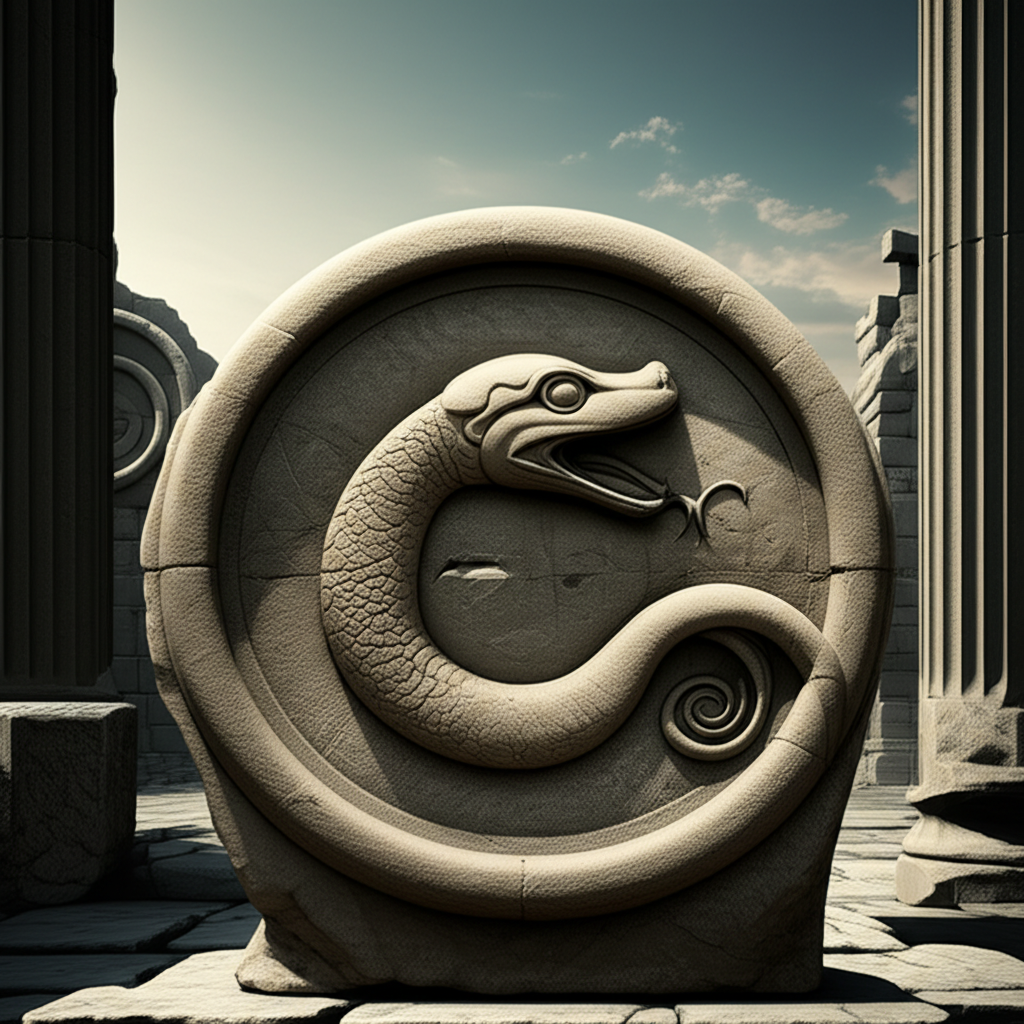
Custom and Convention: The Genesis of Sacred Meaning
The meaning of a religious sign or symbol is rarely inherent; it is largely a product of custom and convention within a specific cultural and religious context. Over time, through repeated use, ritual, and communal agreement, certain objects, gestures, or sounds acquire profound sacred significance.
- Ritual Practice: Repeated actions, such as bowing, genuflecting, or making specific hand gestures, become signs of respect or devotion. The meaning is learned and reinforced through participation.
- Narrative and Mythology: Sacred stories, myths, and scriptures imbue objects and figures with symbolic weight. A burning bush becomes a symbol of divine revelation due to the Exodus narrative.
- Art and Iconography: Religious art often codifies symbolic meanings, making them visually accessible and universally recognizable within a faith. The halo, for example, becomes a conventional sign of sanctity.
- Theological Interpretation: Religious scholars and leaders articulate and preserve the meanings of symbols, ensuring their correct understanding and transmission. This intellectual scaffolding supports the communal custom and convention.
| Element | Nature | Religious Function | Example |
|---|---|---|---|
| Sign | Direct, indicative | Points to a specific religious object, event, or action. | A bell ringing for prayer; a specific hand gesture during a blessing. |
| Symbol | Evocative, multi-layered | Represents profound spiritual truths, narratives, or divine attributes. | The Cross (Christianity); the Lotus (Buddhism); the Crescent Moon and Star (Islam). |
| Language | System of communication | Enables the transmission of religious doctrines, experiences, and identity. | Sacred texts; liturgical phrases; symbolic art. |
| Custom & Convention | Agreed-upon practices | Establishes and maintains the shared meaning and efficacy of signs and symbols. | Rituals, ceremonies, traditional interpretations. |
Conclusion: The Enduring Power of Sacred Semiotics
The use of sign and symbol in religion is not merely an aesthetic choice; it is a fundamental aspect of how humanity grapples with the transcendent. These powerful tools act as a unique language, offering pathways to understanding, emotional connection, and communal identity. Through the intricate weave of custom and convention, objects, gestures, and images are transformed from the mundane into vessels of the sacred, allowing the ineffable to be glimpsed, shared, and revered. As long as humans seek meaning beyond the material, signs and symbols will remain indispensable bridges to the divine.
📹 Related Video: What is Philosophy?
Video by: The School of Life
💡 Want different videos? Search YouTube for: ""Philosophy of Language: Signs, Symbols, and Meaning""
📹 Related Video: PLATO ON: The Allegory of the Cave
Video by: The School of Life
💡 Want different videos? Search YouTube for: ""Religious Symbolism and Its Psychological Impact""