

The Use of Sign and Symbol in Religion: Bridging the Ineffable
Religion, at its core, often grapples with expressing truths that transcend ordinary experience and language. It is in this profound endeavor that Sign and Symbol become indispensable tools. Far from mere decorative elements, they serve as potent conduits, mediating between the tangible world and the ineffable divine. This article explores how religious traditions, through the intricate tapestry of Language, Custom and Convention, imbue objects, gestures, and narratives with profound meaning, enabling adherents to grasp, internalize, and participate in sacred realities. Drawing insights from the philosophical tradition found within the Great Books of the Western World, we delve into the nature of these symbolic expressions and their enduring significance in shaping faith and community.
The Essential Role of Symbolic Language in Faith
Human existence is inherently a quest for meaning, and nowhere is this more evident than in our spiritual pursuits. Religions provide frameworks for understanding the cosmos, our place within it, and our connection to something beyond ourselves. However, the divine, the transcendent, or ultimate reality often defies direct articulation. This is where the rich vocabulary of signs and symbols emerges, offering a means to approach, rather than fully capture, the sacred. They are not merely pointers but often participate in the very reality they represent, fostering a deeper, more intuitive understanding than literal descriptions ever could.
Distinguishing Sign and Symbol: A Philosophical Lens
While often used interchangeably, a crucial distinction between a sign and a symbol enriches our understanding of religious expression.
- A sign typically has a direct, often singular, and conventional meaning. Think of a traffic light: red means stop. Its power lies in its clarity and immediate direction.
- A symbol, however, is more complex, multi-layered, and evocative. It points beyond itself to a deeper reality, often carrying emotional, cultural, and historical weight. A symbol participates in the meaning it conveys, resonating with profound truths that cannot be fully exhausted by a simple definition.
In the realm of Religion, this distinction is paramount. A sign might indicate a sacred place, but a symbol embodies the sacred. The cross, for instance, is not merely a sign of Christianity; it symbolizes sacrifice, redemption, suffering, and triumph, holding a wealth of theological and emotional significance that resonates deeply with believers. Similarly, the Star of David is more than a geometric shape; it represents Jewish identity, heritage, and the covenant.
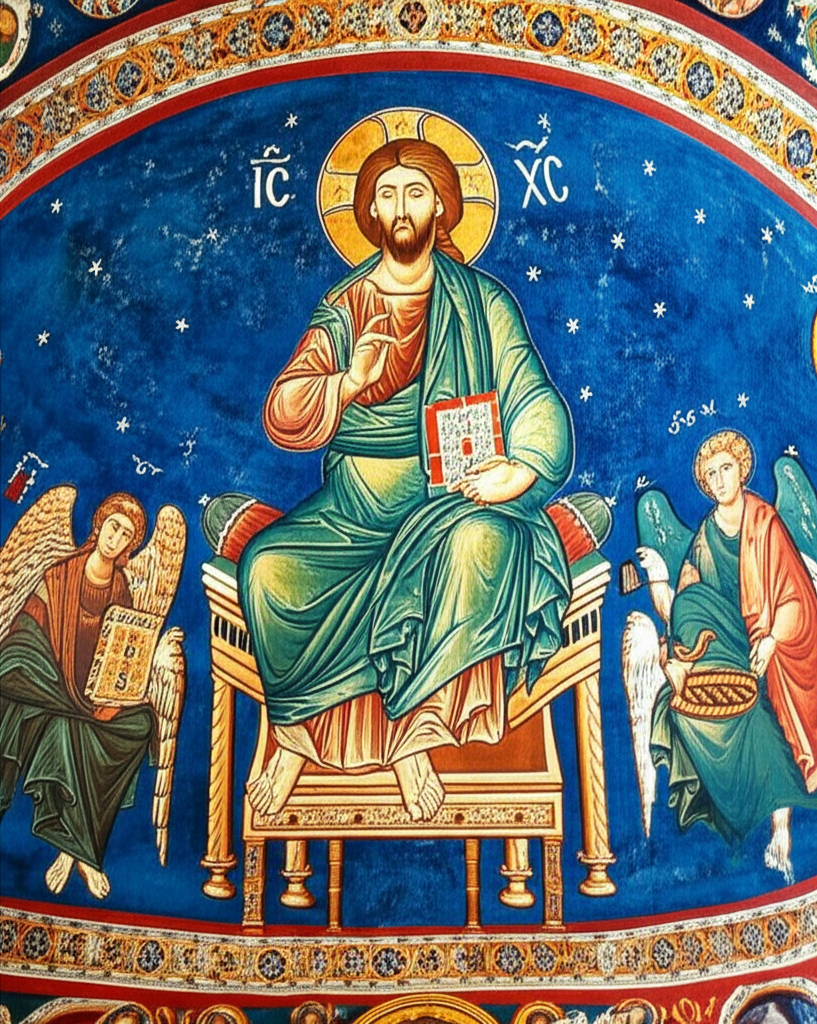
The Language of the Sacred: Beyond Literal Interpretation
Religious Language itself is profoundly symbolic. Sacred texts, prayers, myths, and parables rarely operate on a purely literal plane. Instead, they employ metaphor, allegory, and narrative to convey truths that are often ineffable or paradoxical. Plato, in his Republic, uses the allegory of the Cave to illustrate the journey from ignorance to enlightenment, a philosophical method that mirrors the symbolic narratives found in religious teachings designed to guide adherents toward higher understanding.
Consider the creation myths found across diverse cultures. While often not intended as scientific accounts, they articulate fundamental truths about existence, purpose, and humanity's relationship with the divine. These narratives, passed down through generations, form the bedrock of religious identity, shaping moral frameworks and communal values.
Custom, Convention, and the Embodied Faith
The power of religious symbols is not inherent in their physical form alone; it is cultivated and sustained through Custom and Convention. Rituals, ceremonies, and communal practices breathe life into symbols, investing them with shared meaning and emotional resonance.
Here's how custom and convention solidify symbolic meaning:
- Rituals: Actions like baptism, communion, prayer postures, or circumambulation are symbolic acts that signify spiritual transformation, covenant, or devotion. The meaning of these actions is deeply embedded in the community's shared history and understanding.
- Objects: Vestments, altars, icons, prayer beads, or sacred relics are not merely utilitarian items. Through centuries of custom, they become imbued with spiritual significance, acting as focal points for devotion and contemplation.
- Architecture: The design of temples, mosques, cathedrals, and synagogues often incorporates profound symbolism, guiding the worshipper's experience and reflecting cosmological beliefs. The orientation of a building, the use of light, or specific geometric patterns all contribute to a symbolic environment.
Thomas Aquinas, in his Summa Theologica, explores the nature of sacraments as "sensible signs of invisible grace," underscoring how physical elements, through divine institution and communal practice, convey spiritual realities. This interplay between the material and the spiritual, understood and reinforced through custom, is central to religious experience.
The Dynamic Nature of Religious Symbolism
While rooted in tradition, religious symbols are not static. Their interpretations can evolve over time, adapting to new contexts while striving to maintain their core meaning. This dynamic quality ensures their continued relevance but also presents challenges, as communities grapple with how to interpret ancient symbols in a contemporary world. The ongoing dialogue and scholarly inquiry into sacred texts and symbols, often seen in various philosophical and theological traditions, underscore their enduring capacity to provoke thought and inspire devotion.
Conclusion: Enduring Pathways to the Divine
The use of Sign and Symbol in Religion is a testament to humanity's persistent drive to connect with the transcendent. Through the intricate interplay of Language, Custom and Convention, these powerful tools bridge the gap between the finite and the infinite, the visible and the invisible. They do not merely represent spiritual truths; they make them accessible, allowing individuals and communities to participate in sacred mysteries, forge identities, and cultivate a sense of purpose. As long as humanity seeks meaning beyond the mundane, signs and symbols will remain essential pathways to the divine, echoing the profound insights explored by thinkers throughout the Great Books of the Western World on the nature of reality, perception, and human understanding.
YouTube:
- Philosophy of Religious Symbolism and Meaning
- Carl Jung Archetypes and Religious Symbols Explained
📹 Related Video: What is Philosophy?
Video by: The School of Life
💡 Want different videos? Search YouTube for: "The Use of Sign and Symbol in Religion philosophy"