

The Invisible Chains: Unmasking the Tyranny of Custom and Convention
In the intricate tapestry of human existence, few forces wield as much pervasive, yet often unacknowledged, power as custom and convention. These unwritten rules, inherited norms, and societal expectations, while seemingly innocuous, can subtly coalesce into a formidable tyranny, stifling individual liberty and impeding genuine progress. This article explores how our ingrained habits and accepted social structures, distinct yet often intertwined with formal Law, can become the most insidious obstacles to authentic self-determination, drawing insights from the timeless wisdom of the Great Books of the Western World.
The Subtle Hand of Social Coercion
At first glance, custom and convention appear to be the very fabric of social order, providing stability, predictability, and a shared understanding that facilitates communal life. From greetings and etiquette to the foundational principles of economic exchange, conventions lubricate the gears of society. However, when these norms are adopted uncritically, when their origins are forgotten, and when their adherence becomes a condition for acceptance, they transform from helpful guides into oppressive shackles.
- Defining the Unwritten Code:
- Custom: Long-established practice, often rooted in tradition, passed down through generations. It carries the weight of history and precedent.
- Convention: A widely accepted principle or procedure, often more explicit than custom but still uncodified by formal Law. It reflects current consensus or prevailing opinion.
Unlike explicit Law, which is codified, debated, and enforced by state authority, the tyranny of custom and convention operates through social pressure, subtle ostracism, and the pervasive fear of being different. It dictates not just what we must do, but what we should think, feel, and aspire to, often without ever uttering a direct command.
Echoes from the Great Books: A Philosophical Lineage
The philosophical tradition, particularly as chronicled in the Great Books, has long grappled with this tension between individual freedom and societal norms.
- From Ancient Nomos to Modern Liberty:
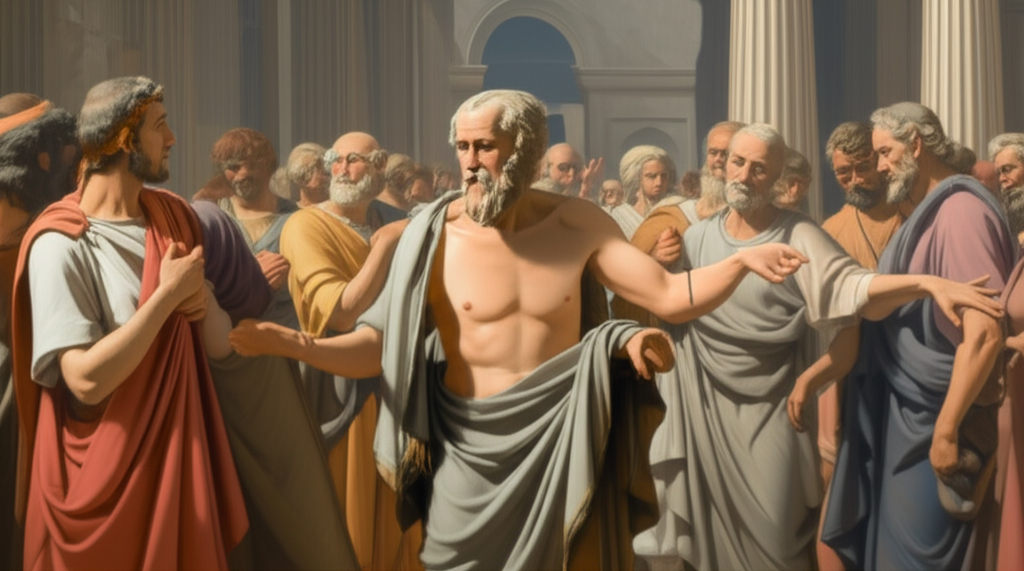
- Ancient Greece: Thinkers like Socrates, by questioning the nomos (laws, customs, conventions) of Athens, challenged the unexamined life, ultimately paying the ultimate price for his pursuit of truth over accepted wisdom. Plato, in his Republic, wrestled with the ideal state versus the corrupting influence of conventional opinion. Aristotle, while emphasizing the importance of habituation to virtue, also recognized the necessity of reason to guide human action.
- The Enlightenment: John Locke's assertion of natural rights, Jean-Jacques Rousseau's critique of societal corruption in the name of a "general will," and Immanuel Kant's emphasis on autonomy and self-legislation all laid groundwork for understanding liberty as more than just political freedom. They highlighted the internal freedom from heteronomous forces, including those of unexamined custom and convention.
- 19th Century and Beyond: John Stuart Mill, in On Liberty, famously warned against the "tyranny of the majority," arguing that social pressure to conform can be more stifling than governmental oppression. He championed individuality as essential for human flourishing and societal progress, seeing uncritical adherence to convention as a grave threat to both.
Mechanisms of Conformity: How Conventions Bind Us
The tyranny of custom and convention is not a monolithic, external force, but a complex interplay of internal and external pressures. It operates through:
- The Weight of Expectation: From the moment of birth, individuals are immersed in a world defined by pre-existing norms. Expectations about gender roles, career paths, success metrics, and even emotional expression are subtly, or overtly, imposed.
- Social Ostracism and Stigmatization: Deviating from accepted conventions often results in social disapproval, exclusion, or ridicule. This fear of being an outsider is a potent motivator for conformity, even when it conflicts with personal conviction.
- The Illusion of Naturalness: Many conventions become so deeply ingrained that they are perceived as natural or self-evident truths, rather than arbitrary human constructs. This makes them incredibly difficult to question or change.
- Suppression of Innovation and Critical Thought: When conformity is prized above all else, originality, dissent, and independent thought are often suppressed. This can lead to intellectual stagnation and prevent society from adapting to new challenges.
Consider the following areas where the tyranny of custom and convention often manifests:
| Area of Life | Conventional Expectation | Impact on Liberty |
|---|---|---|
| Education | Follow prescribed curriculum, aim for specific professions. | Limits intellectual curiosity, forces conformity to predefined career paths. |
| Social Roles | Adhere to traditional gender roles, family structures. | Restricts personal expression, limits opportunities based on archaic norms. |
| Appearance | Dress codes, beauty standards, body image ideals. | Creates anxiety, promotes self-objectification, stifles personal aesthetic. |
| Belief Systems | Conform to dominant religious or political ideologies. | Inhibits independent moral reasoning, discourages critical examination of dogma. |
| Language & Speech | Use accepted vocabulary, avoid controversial topics. | Limits freedom of expression, enforces political correctness to the detriment of truth. |
Reclaiming Liberty: The Imperative of Critical Thought
Breaking free from the tyranny of custom and convention is not about wholesale rejection of all norms, which would lead to chaos. Rather, it is about a conscious, critical examination of inherited practices. It is the pursuit of genuine liberty – the freedom to act and think according to one's own reasoned judgment, rather than blind adherence.
- Challenging the Status Quo:
- Socratic Inquiry: Following the example of Socrates, we must cultivate the habit of asking "why?" Why do we do things this way? Is this custom still serving a beneficial purpose? Is it just? Is it rational?
- Rational Scrutiny: Each convention must be subjected to the light of reason. Does it promote human flourishing, justice, and individual liberty? Or does it merely perpetuate prejudice, inefficiency, or an outdated mode of thought?
- Individual Courage: To stand against the tide of convention requires courage. It means risking social disapproval, but it is a necessary step towards authentic selfhood and societal improvement.
- Distinguishing Tradition from Tyranny: Not all traditions are tyrannical. Many embody accumulated wisdom and provide a sense of continuity. The challenge lies in distinguishing between those that enrich life and those that merely restrict it.
Conclusion: A Call to Philosophical Vigilance
The tyranny of custom and convention remains one of the most subtle yet potent forces shaping human experience. It is a constant reminder that liberty is not merely the absence of external chains, but also the internal freedom to question, to choose, and to live authentically. As inheritors of the Great Books tradition, we are called to philosophical vigilance – to perpetually examine the unwritten rules that govern our lives, to challenge those that impede human flourishing, and to cultivate a society where reason and individual conscience prevail over the comfortable inertia of the status quo. Only then can we truly claim to be free.
YouTube Video Suggestions:
- YouTube: "John Stuart Mill On Liberty Tyranny of the Majority"
- YouTube: "Socrates Unexamined Life Philosophy"
📹 Related Video: What is Philosophy?
Video by: The School of Life
💡 Want different videos? Search YouTube for: "The Tyranny of Custom and Convention philosophy"