

The Weight of Transgression: Unpacking the Theological Concept of Sin and Punishment
The concepts of sin and punishment stand as foundational pillars in nearly every major theology, shaping our understanding of morality, divine justice, and the very nature of human existence. From ancient scriptures to contemporary theological discourse, these ideas grapple with questions of moral responsibility, cosmic order, and the consequences of actions that deviate from divine will. This article delves into the multifaceted theological perspectives on sin as a transgression against a higher power and the subsequent forms of punishment, exploring their purposes – be it retributive, deterrent, or redemptive – and how they illuminate the divine attribute of justice.
Defining Sin: A Theological Lens
At its core, sin is understood within theology as an offense against God, a transgression of divine law, or a failure to love God and neighbor as commanded. It’s more than just a mistake; it implies a moral failing, a deliberate turning away from the good. Different theological traditions offer nuanced interpretations of sin:
- Original Sin: Prominently featured in Christian theology, particularly through the works of Augustine of Hippo (a profound voice in the Great Books of the Western World), this concept posits that humanity inherited a corrupted nature from Adam's first disobedience. This inherited state makes individuals prone to sin and separates them from God even before committing any personal transgression.
- Actual Sin: These are the personal, voluntary acts, thoughts, or omissions that violate divine law. They can be categorized further:
- Mortal Sins: In some traditions, these are grave sins that, if unrepented, lead to spiritual death and separation from God.
- Venial Sins: Lesser offenses that weaken one's relationship with God but do not sever it entirely.
- Sin as Idolatry: In many monotheistic traditions, sin is often framed as prioritizing anything over God – be it self, wealth, power, or other created things.
- Sin as Missing the Mark: From a Hebrew perspective, the word for sin (ḥataʾ) literally means "to miss the mark," implying a failure to achieve the intended purpose or standard set by God.
This understanding of sin is crucial because it establishes the framework for why punishment becomes necessary in a divinely ordered universe.
The Nature of Theological Punishment
Punishment within a theological context is not merely human retribution; it carries divine weight and purpose. It is the consequence, meted out by God, for acts of sin. The forms and purposes of theological punishment are diverse:
- Retributive Justice: This is perhaps the most straightforward understanding – punishment is a just recompense for wrongdoing. God's justice demands that sin not go unaddressed, and punishment serves to restore a cosmic balance disrupted by transgression. The Great Books of the Western World contain numerous discussions on justice, from Plato's Republic to the legal codes of ancient civilizations, many of which informed theological views.
- Deterrent Punishment: Divine punishment can serve as a warning, discouraging both the sinner and others from future transgressions. The narratives of biblical plagues or natural disasters are often interpreted through this lens, demonstrating the grave consequences of disobedience.
- Redemptive or Purgative Punishment: In some traditions, particularly Catholicism, punishment (like that experienced in Purgatory) is not solely about retribution but also about cleansing and purification, preparing the soul for union with God. It's a painful but ultimately restorative process.
- Corrective or Disciplinary Punishment: Similar to a parent disciplining a child, God's punishment can be seen as an act of love, intended to correct the sinner, lead them to repentance, and guide them back to the path of righteousness.
- Natural Consequences: Many theologians argue that some "punishments" are simply the natural, inherent consequences of sinful actions, woven into the fabric of creation by divine design. Dishonesty, for instance, naturally erodes trust.
These varying interpretations highlight the complexity of divine justice and the theological efforts to reconcile God's omnipotence and goodness with the existence of suffering and consequence.
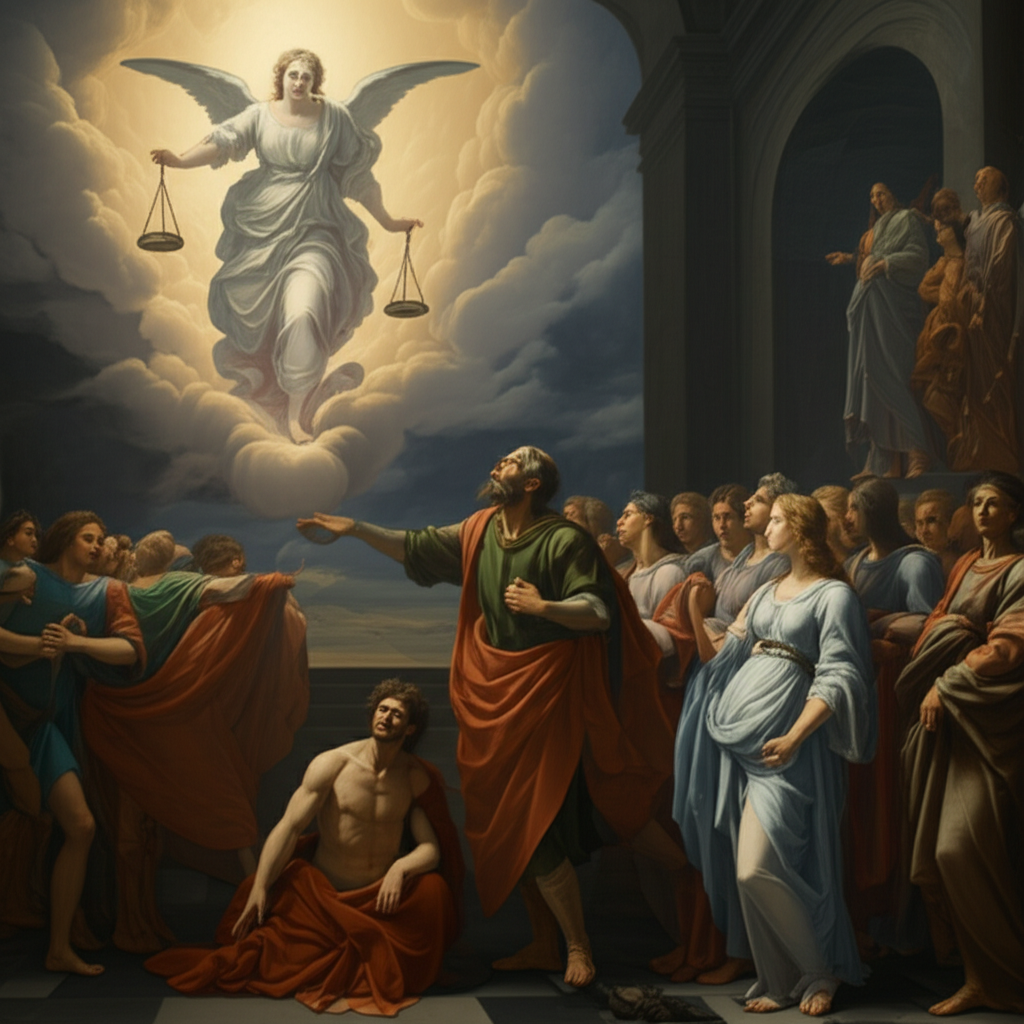
Divine Justice and Human Understanding
The concept of divine justice is central to understanding theological punishment. It is often described as perfect, impartial, and ultimately merciful. However, reconciling human perceptions of fairness with divine actions has been a perennial philosophical and theological challenge.
- The Problem of Evil: If God is all-good and all-powerful, why does sin and suffering (including punishment) exist? This question has been debated by philosophers and theologians for millennia, with answers ranging from free will defenses to the idea of a greater, incomprehensible divine plan.
- Grace and Mercy: Alongside justice, theology emphasizes God's grace and mercy. Punishment, while necessary, is often tempered by divine compassion, offering avenues for repentance, forgiveness, and redemption. The balance between these attributes is a delicate and profound theological inquiry. Thomas Aquinas, another titan from the Great Books of the Western World, systematically explored the interplay of divine attributes, including justice and mercy, in his Summa Theologica.
Key Aspects of Divine Justice:
| Aspect | Description |
|---|---|
| Impartiality | God's justice is not swayed by human status or power. |
| Truthfulness | Divine judgment is based on perfect knowledge of all actions, intentions, and circumstances. |
| Redemptive Aim | Often, divine justice is not purely punitive but aims towards the ultimate good and restoration of creation. |
| Transcendence | God's justice operates on a cosmic scale, often beyond full human comprehension. |
Conclusion: Navigating the Moral Landscape
The theological concepts of sin and punishment are far more than archaic doctrines; they are profound attempts to articulate the moral order of the universe, the significance of human choices, and the nature of our relationship with the divine. They compel us to reflect on our responsibilities, the consequences of our actions, and the ultimate meaning of justice. While sometimes challenging to reconcile with modern sensibilities, these concepts remain vital for understanding the historical development of ethics, law, and spirituality, and continue to offer rich ground for philosophical inquiry into the nature of good, evil, and the divine.
YouTube Video Suggestions:
-
📹 Related Video: ARISTOTLE ON: The Nicomachean Ethics
Video by: The School of Life
💡 Want different videos? Search YouTube for: ""Augustine City of God Sin and Evil" for discussions on original sin and divine justice"
2. ## 📹 Related Video: ARISTOTLE ON: The Nicomachean Ethics
Video by: The School of Life
💡 Want different videos? Search YouTube for: ""Philosophy of Punishment Theological Perspectives" for broader discussions on the ethics and purposes of punishment within religious frameworks"