

The Theological Argument for Immortality: A Glimpse Beyond the Veil
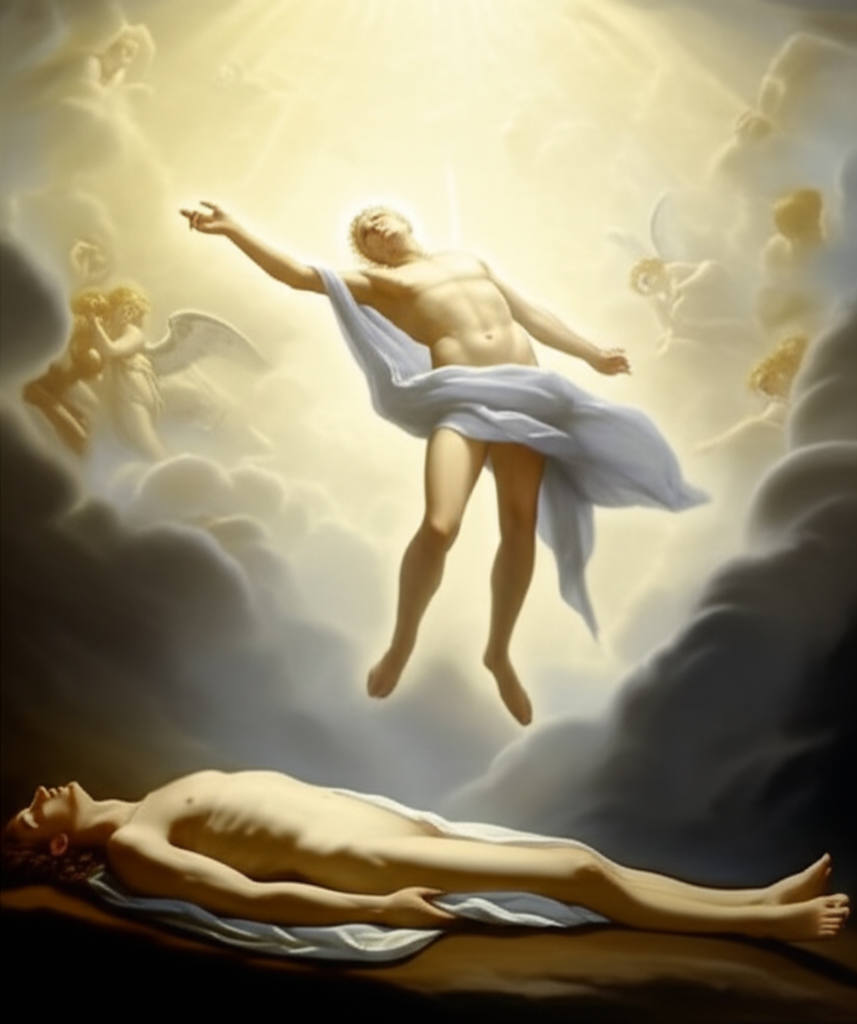
The human spirit has, for millennia, grappled with the profound mystery of what lies beyond our mortal coil. The Theological Argument for Immortality offers a compelling, faith-based perspective, suggesting that our existence transcends the physical realm and continues into Eternity. At its heart, this argument posits that the very nature of God, divine justice, and the intrinsic value of the human Soul necessitate a life after death, providing purpose and meaning that earthly existence alone cannot fully encompass. This article delves into the core tenets of this enduring proposition, exploring its historical roots and its profound implications for understanding our place in the cosmos.
The Enduring Question: Why Immortality?
From ancient mythologies to modern spiritual traditions, the yearning for Immortality is a near-universal human aspiration. It speaks to our deepest fears of annihilation and our most fervent hopes for continuity, justice, and reunion. While philosophical arguments often tackle this question through reason and logic alone, the Theological approach grounds its assertions in revelation, divine attributes, and a specific understanding of the relationship between the creator and the created. It’s not merely a desire, but, for many, a divinely ordained reality.
Pillars of the Theological Argument for Immortality
The Theological argument for Immortality is not monolithic; it draws strength from various interconnected ideas that, when woven together, form a robust framework. These pillars often resonate across different religious traditions, even if their specific doctrines vary.
1. The Divine Nature of the Soul
A cornerstone of most theological arguments is the concept of the Soul as distinct from, and superior to, the physical body.
- Created in God's Image: Many traditions hold that humans are created imago Dei, in the image and likeness of God. If God is eternal and spiritual, then the part of us that reflects this image – the Soul – must also possess an eternal quality. It is this spiritual essence, not the perishable flesh, that connects us to the divine.
- Indivisible and Indestructible: Unlike the body, which decays and returns to dust, the Soul is often conceived as an indivisible, non-material entity that cannot be destroyed by physical means. Its essence is spiritual, placing it beyond the reach of material dissolution.
- The Seat of Identity and Consciousness: The Soul is often regarded as the true self, the locus of consciousness, memory, and personal identity. If this core aspect of our being were to simply cease, then our existence would be fundamentally meaningless in an eternal context.
2. Divine Justice and Moral Order
One of the most powerful theological appeals for Immortality stems from the problem of evil and the perceived imbalance of justice in the world.
- Rectification of Injustice: Life on Earth often presents a stark picture of unrewarded virtue and unpunished vice. If God is perfectly just, as many theologies assert, then there must be a realm beyond this life where justice is ultimately served. Immortality provides the necessary canvas for this cosmic balancing act, where good is ultimately rewarded and evil accounted for.
- The Problem of Suffering: The innocent suffer, and the righteous are persecuted. Without an eternal perspective, such suffering might seem gratuitous or evidence of a non-just God. Immortality offers the hope that present suffering is temporary and serves a greater, eternal purpose, or will be compensated in a future state.
- Moral Accountability: The expectation of an afterlife provides a powerful incentive for moral behavior. The belief that one will be held accountable for their actions in Eternity reinforces ethical living in the present.
3. The Purpose of Human Existence
The theological argument often frames human life not as an end in itself, but as a journey with an eternal destination.
- Preparation for Eternity: Life on Earth is seen as a period of testing, growth, and spiritual development, preparing the Soul for its ultimate destiny in Eternity. Our choices and experiences here shape our eternal fate.
- Relationship with the Divine: Many faiths emphasize a personal relationship with God. Such a profound connection, it is argued, cannot be extinguished by physical death but must continue and deepen in Eternity. The ultimate purpose of the Soul is union or communion with its Creator.
- Unfulfilled Potential: Human beings possess immense intellectual, creative, and spiritual potential. A finite lifespan often feels too brief to fully realize these capacities. Immortality offers the boundless time needed for the Soul to achieve its full, divinely intended flourishing.
Historical Echoes in the Great Books
The Theological Argument for Immortality has been a recurring theme throughout the intellectual history chronicled in the Great Books of the Western World. While Plato’s arguments for the immortality of the soul in works like Phaedo are primarily philosophical, they deeply influenced subsequent theological thought, particularly within Christianity.
- Augustine of Hippo: In Confessions and City of God, Augustine grapples with the nature of the Soul, sin, redemption, and the ultimate destiny of humanity. His understanding of the Soul as distinct from the body, created by God, and destined for either eternal bliss or damnation, is foundational.
- Thomas Aquinas: Drawing heavily on Aristotle but integrating Christian theology, Aquinas, in his Summa Theologica, rigorously argues for the immortality of the rational Soul based on its immateriality and its capacity for universal knowledge, which transcends material limitations. He further connects this to divine justice and the ultimate beatific vision.
- Dante Alighieri: The Divine Comedy is perhaps the most vivid artistic exploration of the theological argument for Immortality. It meticulously maps out the eternal consequences of earthly actions, depicting Hell, Purgatory, and Paradise as the ultimate destinations for the Soul, driven by divine justice and love.
These thinkers, among many others, demonstrate how the question of Immortality is not merely a fringe belief but a central inquiry that has shaped Western thought, ethics, and spirituality for centuries, deeply intertwined with our understanding of God and human purpose.
Reflections and Ongoing Dialogue
While the Theological Argument for Immortality provides comfort, meaning, and a moral framework for countless individuals, it remains a subject of intense philosophical and scientific debate. Its strength lies in its ability to address existential questions that empirical science often cannot, offering a holistic worldview that integrates ethics, purpose, and destiny within a divine plan. It compels us to consider not just how we live, but why, and what, if anything, awaits us in Eternity.
YouTube Video Suggestions:
-
📹 Related Video: PLATO ON: The Allegory of the Cave
Video by: The School of Life
💡 Want different videos? Search YouTube for: ""Aquinas Immortality of the Soul" or "Thomas Aquinas Summa Theologica Soul""
2. ## 📹 Related Video: PLATO ON: The Allegory of the Cave
Video by: The School of Life
💡 Want different videos? Search YouTube for: ""Plato Phaedo Immortality" or "Augustine City of God afterlife""