

The Guiding Hand: How Prudence Elevates Temperance from Mere Restraint to True Virtue
Summary: In the classical philosophical tradition, temperance (self-control and moderation) is not merely an act of abstinence or rigid denial. It is, in fact, a profound virtue that requires the intellectual guidance of prudence (practical wisdom). This article explores how prudence directs temperance, ensuring that our desires are not suppressed haphazardly, but rather disciplined judiciously, leading to a balanced and flourishing life, thereby distinguishing genuine virtue from mere vice or misguided restraint.
The Essence of Temperance: Beyond Simple Abstinence
For many, temperance conjures images of denial – abstaining from food, drink, or pleasure. While these actions can certainly be components, the classical understanding, deeply rooted in the Great Books of the Western World, reveals a far richer and more nuanced concept. Temperance, or sophrosyne in Greek, is not about the eradication of desires, but their harmonious and rational regulation. It is the virtue that governs our appetites and pleasures, ensuring they remain within appropriate bounds, neither excessive nor deficient.
Consider Aristotle's Nicomachean Ethics, where temperance is presented as a mean between two extremes – the vice of intemperance (excessive indulgence) and the vice of insensibility (a pathological lack of desire or enjoyment). A truly temperate person enjoys life's pleasures in the right way, at the right time, and to the right degree. But how does one discern this "right way" or "right degree"? This is where prudence enters the philosophical stage.
Prudence: The Navigator of Our Moral Compass
If temperance is the ship that sails through the waters of desire, then prudence is its seasoned navigator. Often translated as "practical wisdom" or phronesis, prudence is the intellectual virtue that enables us to deliberate well about what is good and bad for human life, leading to right action. It is the capacity to discern the appropriate course of action in specific situations, taking into account all relevant factors and potential consequences.
Plato, in his Republic, illustrates this in the structure of the soul, where reason (akin to prudence) must guide the spirited and appetitive parts. Without reason's direction, the appetites run wild, leading to chaos and imbalance. Similarly, for St. Thomas Aquinas, building upon Aristotle, prudence is the "charioteer of the virtues" (auriga virtutum), guiding all other moral virtues, including temperance. It is the virtue that knows how to act, when to act, and why to act.
The Symbiotic Relationship: Prudence Illuminating Temperance
The connection between prudence and temperance is not merely complementary; it is foundational. Temperance, without the guiding light of prudence, risks becoming either a rigid, unthinking asceticism or a misguided, ineffective restraint.
- Prudence Defines the "Right Measure": It is prudence that helps us determine what constitutes moderation in a given context. Is it temperate to eat a large meal after intense physical labor, or to fast for a religious observance? Prudence provides the contextual understanding.
- Prudence Assesses Consequences: Before indulging or abstaining, prudence considers the long-term effects on our health, relationships, and overall well-being. It prevents temperance from becoming a short-sighted act of will.
- Prudence Distinguishes Virtue from Vice: It allows us to differentiate genuine self-control from mere repression (which can lead to future excess) or an unhealthy lack of engagement with life's goods. For instance, an extreme ascetic who denies all pleasure without a rational, prudent reason might be seen as exhibiting the vice of insensibility, not the virtue of temperance.
- Prudence Guides in Complex Situations: Life is rarely black and white. Prudence helps us navigate the grey areas, such as discerning when a small indulgence is harmless and when it risks becoming a slippery slope to excess.
Without prudence, temperance is blind; it knows that it should control desires, but not how or to what extent in varied circumstances. Conversely, without temperance, prudence is impotent; one might know the right course of action, but lack the self-control to execute it.
Historical Insights from the Great Books
The indispensable link between prudence and temperance has been a recurring theme throughout Western thought:
- Plato's Republic: Envisions the ideal state (and soul) where wisdom (prudence) guides the spirited and appetitive parts, bringing about temperance as a harmonious ordering. The rational part, through wisdom, orchestrates the desires.
- Aristotle's Nicomachean Ethics: Explicitly states that all moral virtues, including temperance, require phronesis (prudence). A person cannot be truly temperate without practical wisdom to guide their choices, nor can they be truly prudent without the moral virtues providing the right ends.
- Cicero's De Officiis: Discusses prudentia as the knowledge of things to be sought and avoided, essential for living a virtuous life, which naturally includes moderation and self-control.
- St. Thomas Aquinas's Summa Theologica: Integrates Aristotelian philosophy into Christian theology, affirming prudence as the chief of the cardinal virtues, directing all others. He emphasizes that temperance, as a moral virtue, must be informed by prudence to achieve its proper end.
Cultivating Prudence and Temperance in the Modern World
In an age of instant gratification and pervasive consumerism, the cultivation of both prudence and temperance is more critical than ever. We are constantly bombarded with stimuli designed to appeal to our appetites, making it challenging to find the "right measure."
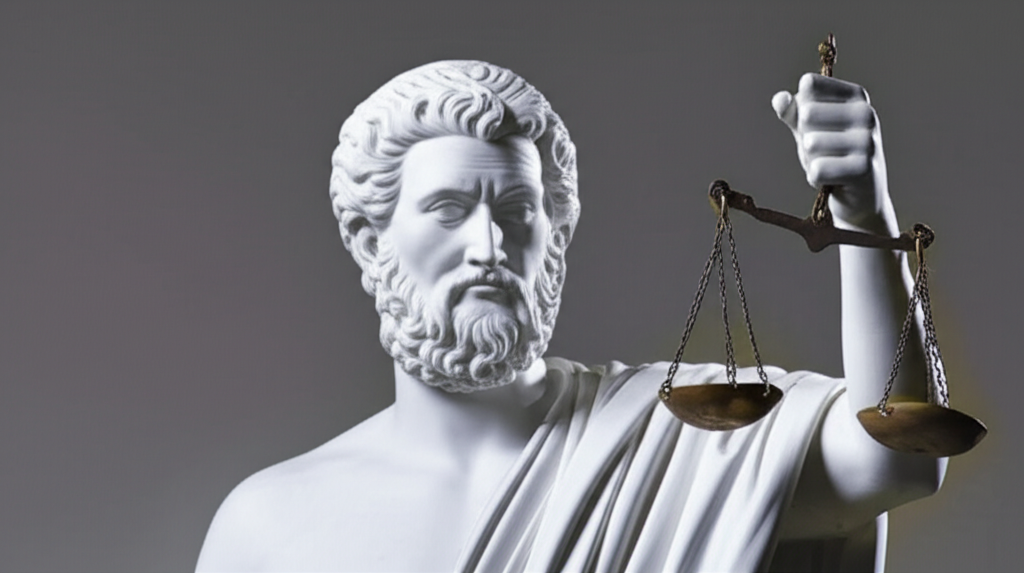
To foster these virtues today, we must engage in conscious reflection, learning from experience, and seeking wisdom not just in theory, but in practice. This involves:
- Mindfulness: Paying attention to our desires and their origins.
- Deliberation: Thoughtfully considering the consequences of our choices.
- Self-Awareness: Understanding our strengths, weaknesses, and triggers.
- Learning from Experience: Reflecting on past successes and failures in self-regulation.
By actively engaging prudence, we transform temperance from a mere act of saying "no" into a sophisticated, rational discipline that enhances our well-being and allows us to pursue a life of genuine flourishing. It is through this intelligent self-governance that we truly embody the classical ideal of a virtuous individual.
YouTube: "Aristotle Nicomachean Ethics Prudence"
YouTube: "Stoicism Temperance Self-Control"
📹 Related Video: What is Philosophy?
Video by: The School of Life
💡 Want different videos? Search YouTube for: "The Role of Prudence in Temperance philosophy"