

The Guiding Hand: The Indispensable Role of Prudence in Government
In the complex tapestry of governance, where decisions ripple through societies and shape destinies, the virtue of prudence emerges as a foundational pillar. Far from mere caution or timidity, prudence, as understood by the great thinkers of Western philosophy, is a practical wisdom—a moral and intellectual virtue that guides action towards the good. This article explores the critical role of prudence in government, arguing that it is not merely beneficial but essential for effective, ethical, and sustainable leadership, drawing insights from the rich tradition of the Great Books of the Western World.
Defining Prudence: More Than Just Caution
At its heart, prudence (from the Latin prudentia, and the Greek phronesis) is the virtue that enables one to deliberate well about what is good for oneself and for humanity, and to act accordingly. It is the intellectual virtue that perfects practical reason, allowing us to discern the right means to achieve a worthy end. As Aristotle elaborates in his Nicomachean Ethics, prudence is "a true and reasoned state of capacity to act with regard to the things that are good or bad for man." It is not simply knowing what is right, but knowing how to apply that knowledge in specific, often ambiguous, situations.
- Practical Wisdom: The ability to apply universal principles to particular circumstances.
- Moral Compass: Guiding actions towards ethical and beneficial outcomes.
- Deliberative Skill: Involving careful thought, foresight, and consideration of consequences.
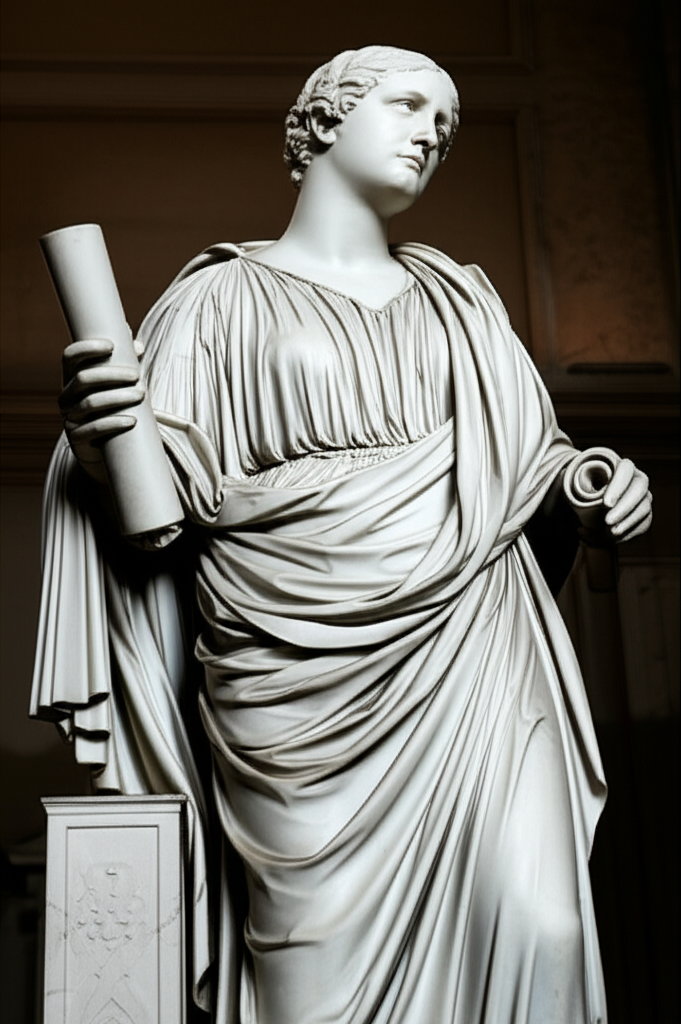
The Indispensable Role of Prudence in Governance
For those entrusted with the immense responsibility of government, prudence is not a luxury but a necessity. Leaders are constantly faced with decisions that demand not only knowledge but also sound judgment, foresight, and a deep understanding of human nature and societal dynamics.
Why Prudence is Crucial for Effective Government:
- Sound Decision-Making: Prudent leaders do not act impulsively. They weigh options, consider long-term effects, and consult various perspectives. This leads to policies that are more robust and less prone to unintended negative consequences.
- Foresight and Planning: Prudence involves anticipating future challenges and opportunities. A prudent government invests in infrastructure, education, and sustainable practices, recognizing that today's choices shape tomorrow's reality.
- Ethical Leadership: Prudence is a moral virtue. It guides leaders to seek the common good, not personal gain or partisan advantage. It necessitates honesty, integrity, and a commitment to justice.
- Adaptability and Resilience: While planning is vital, the world is unpredictable. Prudent governments are not rigid; they can adapt to new information, revise strategies, and learn from mistakes, demonstrating resilience in the face of crises.
- Building Trust: Citizens trust leaders who demonstrate thoughtful consideration, transparency, and a commitment to the well-being of the whole. Prudence fosters this trust, which is essential for social cohesion and effective governance.
Wisdom from the Great Books: Prudence in Action
Philosophers throughout history have underscored the role of prudence as a cardinal virtue, especially in the realm of statecraft.
- Aristotle's Phronesis: As mentioned, Aristotle's concept of phronesis is the quintessential exploration of practical wisdom. He argues that it is the virtue that allows us to deliberate well about what is good and advantageous for ourselves and for the good life generally. For a statesman, this translates into the ability to craft laws and policies that genuinely lead to human flourishing.
- Plato's Philosopher-Kings: While Plato's Republic posits that rulers should possess comprehensive philosophical wisdom, this encompasses the practical application of ideals, which is a facet of prudence. The philosopher-king, through their understanding of the Good, would prudently guide the state towards justice and harmony.
- Aquinas on Prudence: St. Thomas Aquinas, building on Aristotle, identifies prudence as the "charioteer of the virtues," guiding all other moral virtues (justice, fortitude, temperance) to their proper end. In governance, this means a prudent leader knows when and how to apply justice, when to show fortitude, and when to exercise temperance.
These thinkers emphasize that true wisdom in leadership is not merely theoretical knowledge but the practical capacity to navigate the complexities of human affairs with discernment and moral purpose.
Components of Prudent Governance
The exercise of prudence in government is multifaceted, requiring a blend of intellectual and moral capacities.
| Component of Prudence | Description | Application in Government |
|---|---|---|
| Memory | Learning from past experiences and historical precedents. | Studying historical policy successes and failures; understanding cultural legacies. |
| Understanding | Grasping the current situation, including its nuances, stakeholders, and underlying causes. | Comprehensive data analysis; listening to diverse perspectives; deep dives into societal issues. |
| Foresight | Anticipating future consequences of present actions and planning accordingly. | Long-term strategic planning (e.g., climate policy, demographic shifts, economic trends); risk assessment. |
| Circumspection | Considering all relevant circumstances and potential variables before making a decision. | Impact assessments (environmental, social, economic); consulting experts from various fields. |
| Docility | Openness to learning from others, especially those with more experience or different perspectives. | Seeking expert advice; cross-party collaboration; engaging with civil society organizations. |
| Shrewdness | The ability to quickly grasp the essence of a situation and make a timely decision when necessary. | Crisis management; rapid response to emergencies; seizing opportune moments for reform. |
| Reasoning | The logical process of connecting means to ends, evaluating alternatives, and drawing sound conclusions. | Policy formulation based on evidence and logical argumentation; transparent justification of decisions. |
Challenges to Prudence in Modern Government
Despite its vital role, prudence often faces significant obstacles in contemporary government. The pressure of short electoral cycles, the demands of instant communication, the polarization of politics, and the complexity of global challenges can all conspire against thoughtful, long-term decision-making. The temptation to prioritize immediate gratification or political expediency over the common good is a constant threat. Therefore, cultivating prudence requires a conscious commitment from leaders and an informed citizenry that demands it.
Conclusion: A Call for Wise Leadership
In an age of rapid change and intricate global interdependencies, the role of prudence in government has never been more critical. It is the practical wisdom that allows leaders to navigate the storms, build for the future, and serve the true interests of their constituents. By embracing the lessons from the Great Books of the Western World and consciously cultivating the virtues of deliberation, foresight, and moral discernment, governments can move beyond mere management to truly wise and effective leadership, fostering a society that flourishes for generations to come.
📹 Related Video: PLATO ON: The Allegory of the Cave
Video by: The School of Life
💡 Want different videos? Search YouTube for: ""Aristotle Nicomachean Ethics Prudence" or "Plato's Republic Philosophy of Government""