

The Guiding Hand: The Indispensable Role of Prudence in Government
In the intricate dance of governance, where decisions ripple through the lives of millions, the virtue of prudence stands as a beacon of foresight and balanced judgment. Far from mere caution, prudence in government is the practical wisdom that enables leaders to discern the true good in any given circumstance and to choose the appropriate means to achieve it. It is the intellectual virtue that bridges abstract principles with concrete actions, ensuring that policies are not only well-intentioned but also effective and just. Without prudence, even the noblest aspirations can lead to unforeseen consequences, undermining justice and societal well-being. This article explores how prudence, as illuminated by thinkers from the Great Books of the Western World, is not just a desirable trait but an essential pillar for sound and ethical leadership.
The Unseen Architect: Defining Prudence in the Political Sphere
When we speak of prudence in the context of government, we are invoking a concept far richer than simple discretion or carefulness. As articulated by Aristotle in his Nicomachean Ethics, prudence, or phronesis, is "a true and reasoned state of capacity to act with regard to the things that are good or bad for man." It is practical wisdom, distinct from theoretical wisdom (sophia), which deals with unchanging truths. For a leader, prudence means having the capacity to deliberate well about what is advantageous for the community, considering both immediate and long-term implications.
This isn't about avoiding risk altogether, but about understanding and evaluating risks in light of desired outcomes and moral principles. A prudent leader weighs evidence, considers diverse perspectives, and anticipates potential pitfalls, all while holding firm to the ultimate goals of justice and societal flourishing.
Prudence as Practical Wisdom: Bridging Theory and Action
The core function of prudence in government is its ability to transform abstract ideals into tangible policies. A leader might possess a profound understanding of economic theory or philosophical ethics, but without prudence, this knowledge remains inert. Prudence acts as the operational intelligence, guiding the application of knowledge to the complex, often unpredictable, realities of governing.
Consider the following aspects of prudence as practical wisdom:
- Deliberation: The ability to thoroughly consider all relevant factors, potential outcomes, and ethical implications before making a decision. This involves seeking counsel, listening to experts, and understanding the public's needs.
- Judgment: The capacity to make sound assessments based on incomplete information, often under pressure, discerning the best course of action among competing alternatives.
- Decisiveness: Once a prudent judgment is made, the ability to act firmly and implement the chosen policy, avoiding paralysis by analysis.
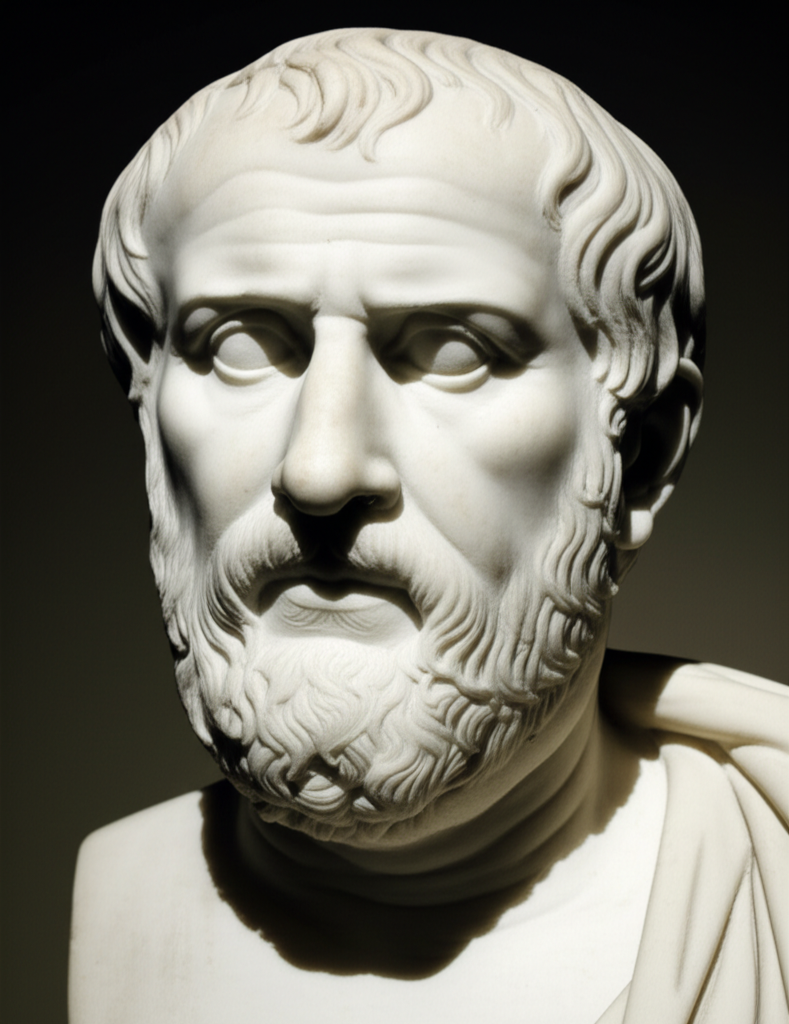
The Intertwined Virtues: Prudence, Justice, and Wisdom
Prudence does not exist in isolation; it is deeply interconnected with other cardinal virtues, particularly wisdom and justice. Thomas Aquinas, building on Aristotle, identifies prudence as the "charioteer of the virtues," guiding them all.
Prudence and the Pursuit of Justice
A government's ultimate aim should be the establishment and maintenance of justice. Prudence is the virtue that helps leaders navigate the complex path toward this goal. It ensures that policies designed to achieve justice are not only fair in principle but also equitable and effective in practice. For instance, a policy aimed at social justice might be well-intentioned, but a lack of prudence could lead to unintended consequences that harm other segments of society or create new forms of inequity. A prudent leader understands that justice requires balancing competing claims and finding solutions that serve the common good without disproportionately burdening any group.
Wisdom as the Foundation of Prudence
While prudence is practical wisdom, it relies on a broader, more fundamental understanding of the world – theoretical wisdom. This involves grasping universal truths, ethical principles, and the nature of humanity itself. Plato, in his Republic, posits that ideal rulers, the philosopher kings, must possess both this overarching wisdom and the practical acumen to apply it. A leader with deep philosophical insight into what constitutes a good life and a good society is better equipped to exercise prudence in making specific decisions. Without this broader wisdom, prudence can devolve into mere cunning or self-interest.
Challenges to Prudent Governance
Exercising prudence in government is inherently challenging due to several factors:
- Complexity: Modern societies are incredibly complex, with interconnected systems and diverse interests, making it difficult to foresee all consequences of a policy.
- Short-Termism: Political pressures often incentivize short-term gains over long-term stability, directly opposing the forward-looking nature of prudence.
- Information Overload & Misinformation: Leaders are bombarded with data, much of it conflicting or biased, making sound deliberation arduous.
- Moral Ambiguity: Many governmental decisions involve difficult ethical dilemmas with no easy answers, requiring a high degree of moral discernment.
Cultivating Prudence in Leadership
Given its importance, how can leaders cultivate prudence?
- Embrace Deliberation: Actively seek diverse perspectives, listen to dissenting opinions, and engage in rigorous debate before decisions are made.
- Learn from History: Study the successes and failures of past government policies and leaders, drawing lessons from historical precedents as found in the Great Books of the Western World.
- Prioritize Long-Term Vision: Resist the temptation of immediate gratification and focus on policies that foster sustainable well-being and justice.
- Cultivate Self-Knowledge: Understand personal biases and limitations, and seek to overcome them through introspection and feedback.
- Develop Moral Courage: Prudence often requires making unpopular but necessary decisions for the greater good, demanding courage to act on sound judgment.
- Foster Intellectual Humility: Recognize the limits of one's own knowledge and be open to revising judgments based on new information.
Conclusion: The Enduring Need for Prudence
The role of prudence in government is not merely an academic ideal; it is a vital necessity for the health and stability of any society. It is the virtue that transforms abstract notions of wisdom and justice into practical realities, guiding leaders to make decisions that are not only effective but also ethically sound. As we navigate an increasingly complex world, the call for prudent leadership — thoughtful, far-sighted, and morally grounded — remains as urgent today as it was for the ancient philosophers whose insights continue to illuminate our path. The cultivation of prudence is therefore not just a personal journey for a leader, but a societal imperative for ensuring a future built on responsible governance and collective well-being.
YouTube Video Suggestions:
-
📹 Related Video: ARISTOTLE ON: The Nicomachean Ethics
Video by: The School of Life
💡 Want different videos? Search YouTube for: "Aristotle Nicomachean Ethics Prudence Phronesis"
-
📹 Related Video: PLATO ON: The Allegory of the Cave
Video by: The School of Life
💡 Want different videos? Search YouTube for: "Plato Republic Justice Wisdom Government"