

The Guiding Hand: The Role of Prudence in Decision Making
In a world clamoring for instant gratification and quick fixes, the ancient virtue of prudence often feels like a forgotten art. Yet, as we navigate the complexities of personal choices and societal challenges, its role in effective decision-making remains as vital as ever. This article delves into the essence of prudence, exploring how this intellectual virtue, deeply rooted in the Western philosophical tradition, serves as the cornerstone of practical wisdom, guiding our judgment and shaping our will towards the true good.
Unpacking Prudence: More Than Just Caution
At its core, prudence is not merely a timid caution or an avoidance of risk. Instead, it is the intellectual virtue that enables us to deliberate well about what is good for us, not in a technical or artistic sense, but in the context of our entire lives. It is the ability to discern the appropriate means to a virtuous end. As Aristotle posited in his Nicomachean Ethics, prudence (or phronesis, practical wisdom) is concerned with human actions, with things that can be otherwise, and aims at doing well.
- Discernment: The capacity to see things clearly, to understand the particular circumstances of a situation.
- Deliberation: The process of weighing options, considering potential outcomes, and consulting past experiences.
- Execution: The ability to translate good deliberation into concrete action, knowing when and how to act.
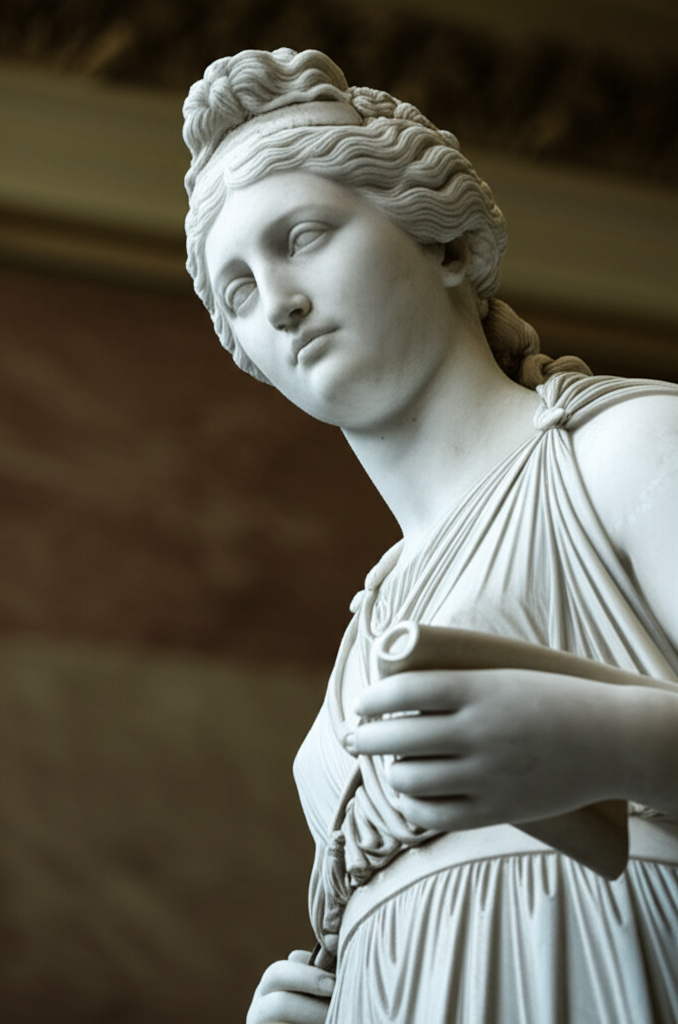
Prudence as the Charioteer of Virtues
In the tradition of the Great Books, prudence is often considered the "charioteer of the virtues." It doesn't just act alone; it directs all other moral virtues. For instance, courage without prudence can be recklessness; temperance without prudence can be apathy; justice without prudence can be harshness. Prudence ensures that virtues are applied correctly, in the right measure, at the right time, and for the right reasons.
The Interplay of Prudence and Wisdom
While often used interchangeably, prudence and wisdom have distinct yet intertwined meanings in philosophy. Wisdom (often sophia in Greek, theoretical wisdom) generally refers to a deeper understanding of universal truths, first principles, and the ultimate causes of things – knowledge for its own sake. Prudence, on the other hand, is practical wisdom. It applies that broader understanding to specific, concrete situations.
- Theoretical Wisdom: Seeks knowledge of eternal truths (e.g., metaphysics, mathematics).
- Practical Wisdom (Prudence): Seeks knowledge of how to act well in particular circumstances to achieve human flourishing.
A truly wise person, therefore, is not just one who understands profound truths, but one who can apply those truths to live a good life. Prudence bridges the gap between abstract knowledge and ethical action.
The Guiding Hand of Judgment
The exercise of judgment is where prudence truly shines. Good judgment isn't merely an opinion; it's a reasoned assessment of a situation, informed by experience, knowledge, and a clear understanding of moral principles. Prudence provides the framework for this assessment, helping us to:
- Identify the true good: Distinguish between what seems good and what is truly good for ourselves and others.
- Assess consequences: Foresee the potential ramifications of different courses of action.
- Prioritize values: Determine which values are most relevant and important in a given scenario.
- Find the right means: Discover the most effective and ethical ways to achieve a desired, virtuous outcome.
Without prudence, our judgments can be clouded by emotion, bias, or a superficial understanding of reality, leading to regrettable decisions.
Components of Prudent Judgment
Philosophers like Thomas Aquinas, drawing heavily from Aristotle, identified several "integral parts" of prudence that contribute to sound judgment:
| Component | Description |
|---|---|
| Memory | Learning from past experiences, both our own and others'. |
| Understanding | Grasping the present situation and its immediate implications. |
| Docility | Openness to learning from others, especially those with more experience. |
| Shrewdness | The ability to quickly size up a situation and grasp the salient points. |
| Reasoning | The capacity to weigh alternatives and draw logical conclusions. |
| Foresight | Anticipating future consequences of present actions. |
| Circumspection | Considering all relevant circumstances and nuances. |
| Caution | Avoiding unnecessary risks and potential pitfalls. |
Prudence and the Will: Directing Our Intentions
Prudence doesn't just inform our intellect; it also plays a critical role in shaping our will. Our will is the faculty by which we choose and act. While the will moves us towards what is perceived as good, it is prudence that ensures that what is perceived as good is truly good, and that the means chosen to achieve it are also appropriate and ethical.
Prudence guides the will by:
- Clarifying the end: Helping us to define virtuous goals.
- Selecting appropriate means: Ensuring our actions align with those goals.
- Strengthening resolve: Providing the intellectual conviction needed to follow through on difficult but correct decisions.
A weak will might know what is prudent but fail to act; a strong will, without prudence, might act decisively but misguidedly. Prudence thus serves as the essential bridge between knowing what is right and doing what is right.
Cultivating the Virtue of Prudence
Developing prudence is a lifelong endeavor. It is not a skill learned overnight but a virtue honed through experience, reflection, and a commitment to ethical living.
- Embrace Reflection: Regularly review past decisions, analyzing what went well and what could have been improved.
- Seek Wise Counsel: Learn from mentors, read profound texts (like the Great Books!), and engage in thoughtful discussions.
- Practice Self-Awareness: Understand your own biases, strengths, and weaknesses to make more objective judgments.
- Cultivate Other Virtues: As the "charioteer," prudence is strengthened by the development of courage, temperance, and justice.
- Engage in Deliberation: Resist the urge for impulsive decisions. Take time to weigh options thoroughly.
Conclusion: The Enduring Relevance of Prudence
In an age of information overload and moral ambiguity, the role of prudence in decision-making has never been more critical. It is the virtue that transforms raw data into actionable insight, abstract principles into concrete choices, and good intentions into virtuous outcomes. By consciously cultivating prudence, we not only improve the quality of our individual lives but also contribute to a more thoughtful, ethical, and wise society. It is the quiet, guiding hand that steers us toward genuine human flourishing.
📹 Related Video: ARISTOTLE ON: The Nicomachean Ethics
Video by: The School of Life
💡 Want different videos? Search YouTube for: "Aristotle Nicomachean Ethics Prudence"
📹 Related Video: ARISTOTLE ON: The Nicomachean Ethics
Video by: The School of Life
💡 Want different videos? Search YouTube for: "Thomas Aquinas on Prudence and Moral Virtue"