

The Enduring Role of Prophecy in Religion: A Philosophical Inquiry
Prophecy, far more than mere fortune-telling, has played a pivotal and multifaceted role in the development and sustenance of religion across human history. It serves as a primary conduit for divine communication, shapes foundational spiritual knowledge, establishes moral authority, and offers profound insights into humanity's relationship with the transcendent. From ancient covenants to eschatological visions, prophetic utterances have defined the very essence of faith, guided communities, and challenged the status quo, fundamentally influencing our understanding of the divine and our place within the cosmos.
The Divine Voice: Unpacking the Essence of Prophecy
At its core, prophecy can be understood as the communication of a divine message or will through an inspired individual, the prophet. This communication is rarely solely about predicting future events; more often, it involves forthtelling—speaking God's truth, issuing moral injunctions, or revealing deeper spiritual realities. The prophet, therefore, acts as an intermediary, a messenger tasked with conveying truths that transcend ordinary human knowledge. This concept is deeply embedded in the sacred texts and philosophical traditions documented within the Great Books of the Western World.
A Tapestry of Revelation: Prophecy Across Religious Traditions
The historical record reveals prophecy as a foundational element in numerous religious systems, each interpreting its form and function through their unique theological lenses.
Ancient Voices: From Sinai to Delphi
In the Abrahamic traditions, particularly Judaism, the role of prophecy is undeniable. Figures like Moses, as depicted in the Pentateuch, receive direct divine law and guidance, establishing a covenant that forms the bedrock of a nation's identity and its moral code. The later prophets—Isaiah, Jeremiah, Ezekiel—are not merely foretellers but powerful social critics, calling their people to repentance, justice, and faithfulness to God's commands. Their pronouncements are imbued with a sense of divine urgency, shaping both immediate political actions and long-term spiritual hope.
Beyond the monotheistic traditions, the ancient Greek world also grappled with forms of divine insight. The oracles, most famously the Oracle of Delphi, offered cryptic pronouncements believed to be divinely inspired. While often ambiguous and requiring interpretation, these oracles influenced political decisions, personal destinies, and philosophical thought. Plato, in works like the Phaedrus, even discusses mania or divine madness as a source of prophetic insight, suggesting a connection between altered states of consciousness and access to higher knowledge.
New Covenants and Final Words: Christianity and Islam
Christianity sees Jesus as the ultimate prophet, fulfilling and transcending previous prophecies, inaugurating a new covenant. The New Testament also details the prophetic gifts within the early church and culminates in the apocalyptic visions of the Book of Revelation, offering a definitive eschatological framework. Similarly, Islam venerates Muhammad as the "Seal of the Prophets," the final and most complete messenger through whom God's ultimate revelation, the Qur'an, was delivered. This belief underscores the decisive role of prophecy in establishing the finality and universality of the Islamic faith.
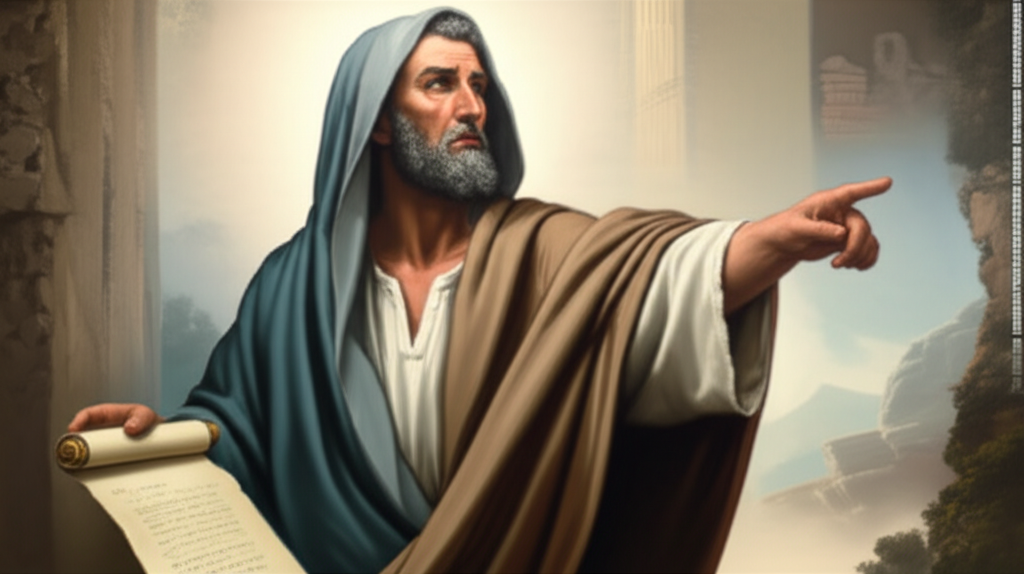
The Multifaceted Role of Prophecy
The functions of prophecy extend far beyond simple prediction, permeating the very fabric of religious life and philosophical inquiry.
Divine Communication and Authority
Prophecy serves as the primary means by which the divine is believed to communicate with humanity. This direct line of communication establishes the authority of the prophet and, by extension, the religious tradition they represent. It provides a source of revelation that is often considered more immediate and authoritative than human reason alone.
Shaping Ethical and Moral Frameworks
A significant role of prophecy is its contribution to ethical and moral guidance. Prophets frequently call for social justice, denounce corruption, and articulate divine expectations for human conduct. Their pronouncements often challenge existing power structures and advocate for the marginalized, shaping the moral conscience of communities for generations.
Informing Human Knowledge of the Divine
Prophecy is a crucial source of knowledge about the nature of God, the divine will, and the ultimate purpose of existence. Through prophetic revelation, humanity gains insights into divine attributes, historical interventions, and future plans, thereby expanding its understanding of the transcendent realm. This knowledge is often distinct from empirical or rational inquiry, rooted instead in direct inspiration.
Providing Hope and Eschatological Vision
In times of distress or oppression, prophecy often provides a vital source of hope, promising future redemption, restoration, or a new age. These eschatological visions, particularly prominent in texts like Isaiah or Revelation, offer a framework for understanding history's trajectory and humanity's ultimate destiny, providing comfort and purpose amidst temporal suffering.
Prophecy, Free Will, and the Nature of Knowledge
Philosophically, prophecy raises profound questions about free will versus determinism. If the future is foretold, does human agency truly exist? The Great Books often grapple with this tension, suggesting interpretations where divine foreknowledge does not necessarily negate human freedom, but rather encompasses it within a larger divine plan.
Furthermore, the epistemological status of prophetic knowledge is a rich area of inquiry. How do we verify a prophetic claim? What constitutes true prophecy versus false? Religious traditions often provide internal criteria (e.g., consistency with previous revelation, moral character of the prophet, fulfillment of predictions), while philosophy prompts a deeper examination of the nature of revealed truth and its relationship to rational inquiry. The interpretation of prophecy—whether literal, symbolic, or metaphorical—also profoundly impacts its perceived meaning and role.
The Legacy of Prophecy in the Modern World
While direct prophetic experiences might be less central to mainstream Western thought today, the role of prophecy continues to resonate. Its themes of justice, hope, divine intervention, and the search for ultimate knowledge remain powerful forces in contemporary spirituality, political discourse, and philosophical reflection. Whether interpreted literally or symbolically, the prophetic tradition offers a lens through which to critique the present, envision the future, and connect with the enduring human quest for meaning.
Conclusion: Echoes of the Future, Foundations of Faith
The role of prophecy in religion is undeniably profound and enduring. It has shaped our understanding of the divine, provided moral compasses, instilled hope, and offered unique forms of knowledge that transcend ordinary human experience. From the ancient pronouncements of revered prophets to the ongoing search for meaning in sacred texts, prophecy stands as a testament to humanity's persistent engagement with the transcendent, acting as a crucial bridge between the temporal and the eternal, continually challenging and inspiring us to look beyond the immediate to grasp the deeper truths of existence.
📹 Related Video: What is Philosophy?
Video by: The School of Life
💡 Want different videos? Search YouTube for: "Philosophy of prophecy free will"
📹 Related Video: PLATO ON: The Allegory of the Cave
Video by: The School of Life
💡 Want different videos? Search YouTube for: "Great Books of the Western World on Revelation"