

The Enduring Power of Repetition: The Role of Habit in Moral Education
Summary:
This pillar page explores the profound and often underestimated role of habit in shaping our moral character. Drawing primarily from the wisdom of the Great Books of the Western World, particularly Aristotle, we delve into how our repeated actions, rather than mere intellectual understanding, forge our virtues and vices. We will examine the mechanisms by which moral education occurs through habituation, its critical influence on our ability to fulfill our duty, and the practical implications for cultivating a life of ethical excellence. Understanding habit isn't just about routine; it's about actively sculpting the very essence of who we are.
The Unseen Architect: How Habit Shapes Our Moral Landscape
Have you ever stopped to consider the invisible threads that weave through your daily life, guiding your choices, reactions, and even your thoughts? These threads are habits, and their influence extends far beyond the mundane. In the realm of moral philosophy, the role of habit is not merely incidental; it is foundational to the very process of moral education and the cultivation of character.
From the moment we are born, we are creatures of repetition. We learn to walk, to talk, to interact, all through repeated actions. But what happens when this repetitive learning is applied to our moral compass? The philosophers of antiquity, particularly Aristotle, understood that morality isn't just something we think about; it's something we do. And what we do repeatedly, we become.
Defining Habit: More Than Just Routine
Before we dive deeper, let's clarify what we mean by habit in a moral context. It's more than just brushing your teeth every morning. For philosophers like Aristotle, a habit (hexis in Greek) refers to a settled disposition or a state of character. It's an ingrained tendency to act or feel in a certain way, developed through repeated practice.
- Action-Oriented: Habits are formed through doing, not just knowing.
- Internalized: They become a part of our character, influencing our automatic responses.
- Moral Weight: These habits can be directed towards good (virtues) or ill (vices).
The Great Books on Habituation: Aristotle's Enduring Legacy
No philosopher articulated the role of habit in moral formation more eloquently than Aristotle in his Nicomachean Ethics. He famously stated, "We are what we repeatedly do. Excellence, then, is not an act, but a habit." This isn't just a catchy phrase; it's the cornerstone of virtue ethics.
Aristotle argued that virtues are not innate; they are acquired. We become just by performing just acts, courageous by performing courageous acts, and temperate by performing temperate acts. This process, known as habituation, is the very essence of moral education.
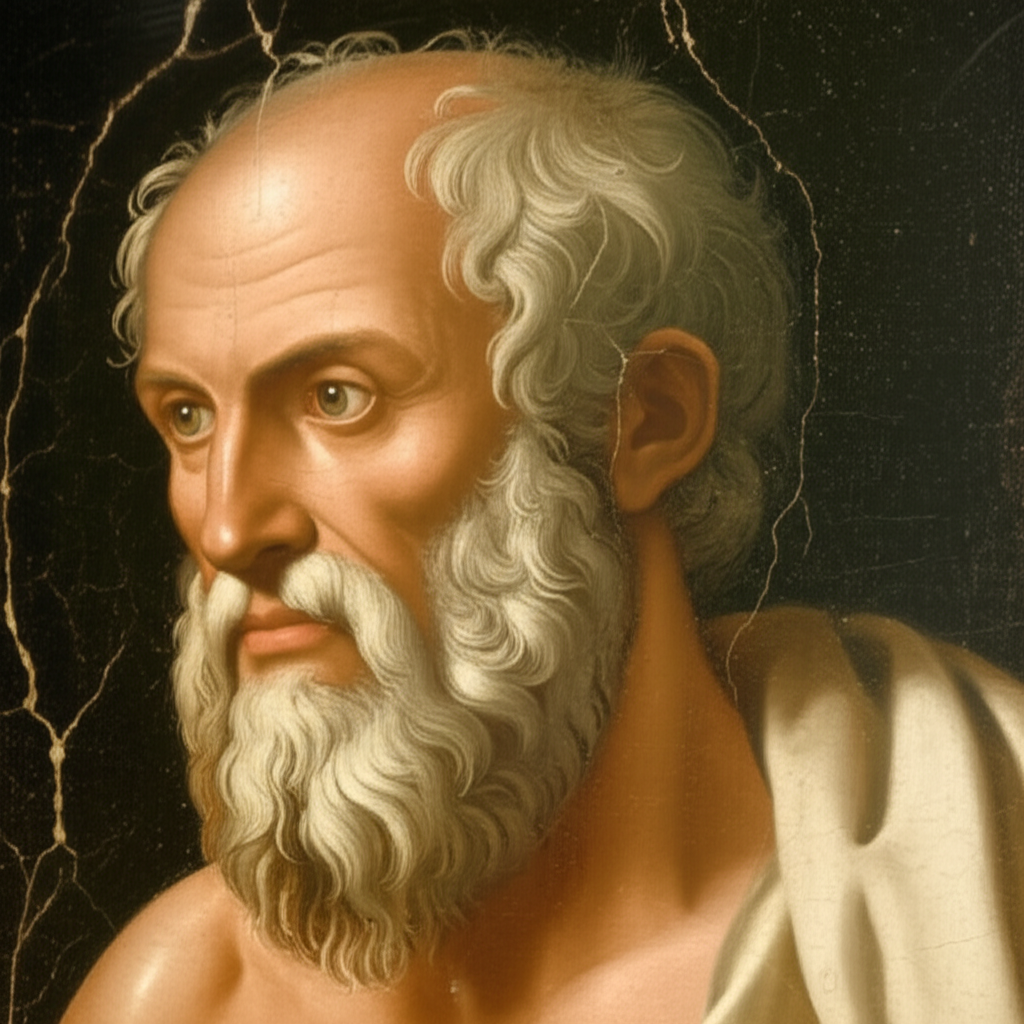 engaging with young students in an open-air academy, gesturing towards a scroll, with the students attentively listening and some practicing an activity like drawing or sculpting in the background, symbolizing the blend of intellectual teaching and practical skill development central to habituation.)
From Practice to Perfection: The Mechanism of Moral Education
How exactly does this habituation work? It's a gradual process, much like learning any skill.
- Initial Guidance: In early life, moral education often begins with external rules and guidance. Parents, teachers, and society instruct us on what is right and wrong.
- Repeated Action: We are then encouraged (or compelled) to perform these "right" actions repeatedly, even if we don't fully understand their intrinsic value initially.
- Internalization: Over time, these actions become easier, less effortful, and eventually, pleasurable. The external compulsion gives way to an internal disposition.
- Character Formation: This disposition becomes a virtue – a stable and reliable tendency to act in a morally excellent way, not just because we have to, but because we want to and find it natural.
Conversely, the repeated performance of morally questionable actions leads to the formation of vices. If we repeatedly act unjustly, we become unjust. If we repeatedly indulge in excess, we become intemperate. This highlights the critical importance of early moral training and the environment in which we develop.
Habit, Duty, and the Moral Imperative
While Aristotle emphasized the development of character through habit, other philosophers, like Immanuel Kant, focused on the concept of duty and the moral law. For Kant, moral actions derive their worth from being done out of duty, not merely in accordance with duty, and from a respect for the moral law, which is discoverable through reason.
At first glance, habit might seem to conflict with Kant's emphasis on rational autonomy. If we act out of habit, are we truly acting freely and rationally? However, habit plays a crucial, albeit indirect, role even in a Kantian framework:
- Facilitating Moral Action: Good habits can make it easier to choose to act according to duty. If temperance is a habit, resisting temptation becomes less of a struggle, freeing up our rational faculties for more complex moral dilemmas.
- Overcoming Obstacles: Habits of self-control, patience, and diligence can provide the necessary inner strength to overcome inclinations that conflict with our duties.
- Building Moral Fortitude: Consistently choosing the right path, even when difficult, builds a moral resilience that reinforces our commitment to duty.
In essence, while habit might not be the source of moral worth for Kant, it can be the enabler of consistent moral action, making the path of duty more navigable.
Virtue and Vice: The Spectrum of Character
The interplay of virtue and vice is where the power of habit truly shines. Aristotle's concept of the "golden mean" illustrates this beautifully. A virtue is a mean between two extremes, two vices – one of excess and one of deficiency.
| Virtue (Golden Mean) | Vice (Deficiency) | Vice (Excess) |
|---|---|---|
| Courage | Cowardice | Rashness |
| Temperance | Insensibility | Self-indulgence |
| Generosity | Stinginess | Prodigality |
| Modesty | Shamelessness | Bashfulness (false) |
Cultivating a virtue means finding and consistently hitting this mean through repeated, conscious choices and actions. For example, to become courageous, one must repeatedly face fear appropriately, avoiding both the deficiency of cowardice and the excess of rashness. This requires practical wisdom (phronesis) to discern the right action in the right circumstances, but it is the habit of acting upon that wisdom that solidifies the virtue.
Practical Applications: Cultivating Moral Excellence Today
Understanding the philosophical underpinnings of habit in moral education is one thing; applying it to our lives is another. How can we, in the 21st century, consciously cultivate virtues and mitigate vices through habit?
- Identify Desired Virtues: What moral qualities do you wish to embody? Honesty? Compassion? Diligence?
- Start Small, Act Consistently: Begin with small, manageable actions that align with that virtue. Want to be more generous? Start by regularly donating a small amount or volunteering an hour.
- Create a Supportive Environment: Surround yourself with people who exemplify the virtues you admire. Read inspiring texts (like those in the Great Books). Minimize exposure to influences that encourage vice.
- Practice Self-Reflection: Regularly assess your actions. Did you act virtuously today? Where did you fall short? What could you do differently next time? This reflective practice helps solidify good habits and identify areas for improvement.
- Persevere Through Setbacks: Forming good habits and breaking bad ones is challenging. There will be failures. The key is to learn from them and recommit to the practice. As Epictetus reminded us, "Every habit and faculty is preserved and increased by correspondent actions."
Conclusion: The Ongoing Work of Becoming
The role of habit in moral education is not a quaint philosophical notion but a profound truth about human nature. From the ancient Greeks to modern ethical thought, the consistent message is clear: our character is not given; it is built, brick by brick, through our daily actions. By consciously directing our habits, we become the architects of our own moral selves, capable of fulfilling our duty and embodying the virtues that lead to a flourishing life. It is an ongoing work, a journey of becoming, where every choice, every repetition, shapes the person we are destined to be.
YouTube Video Suggestions:
-
📹 Related Video: ARISTOTLE ON: The Nicomachean Ethics
Video by: The School of Life
💡 Want different videos? Search YouTube for: ""Aristotle Nicomachean Ethics habit virtue""
2. ## 📹 Related Video: ARISTOTLE ON: The Nicomachean Ethics
Video by: The School of Life
💡 Want different videos? Search YouTube for: ""Kant Duty Ethics Explained""