

The Enduring Architecture of Character: Habit's Central Role in Moral Education
The journey of becoming a morally upright individual is rarely a sudden epiphany; more often, it is a deliberate, day-by-day construction. At the very heart of this profound process lies habit, not merely as a repetitive routine, but as the fundamental crucible in which character is forged. This pillar page explores how education, in its broadest sense, serves as the architect of these habits, shaping our capacity for ethical action, cultivating virtue, resisting vice, and ultimately enabling us to understand and fulfill our duty. By examining the insights from the Great Books of the Western World, we uncover a timeless wisdom that affirms habit as the indispensable foundation of moral life.
The Ancient Roots of Habitual Morality: Aristotle's Enduring Wisdom
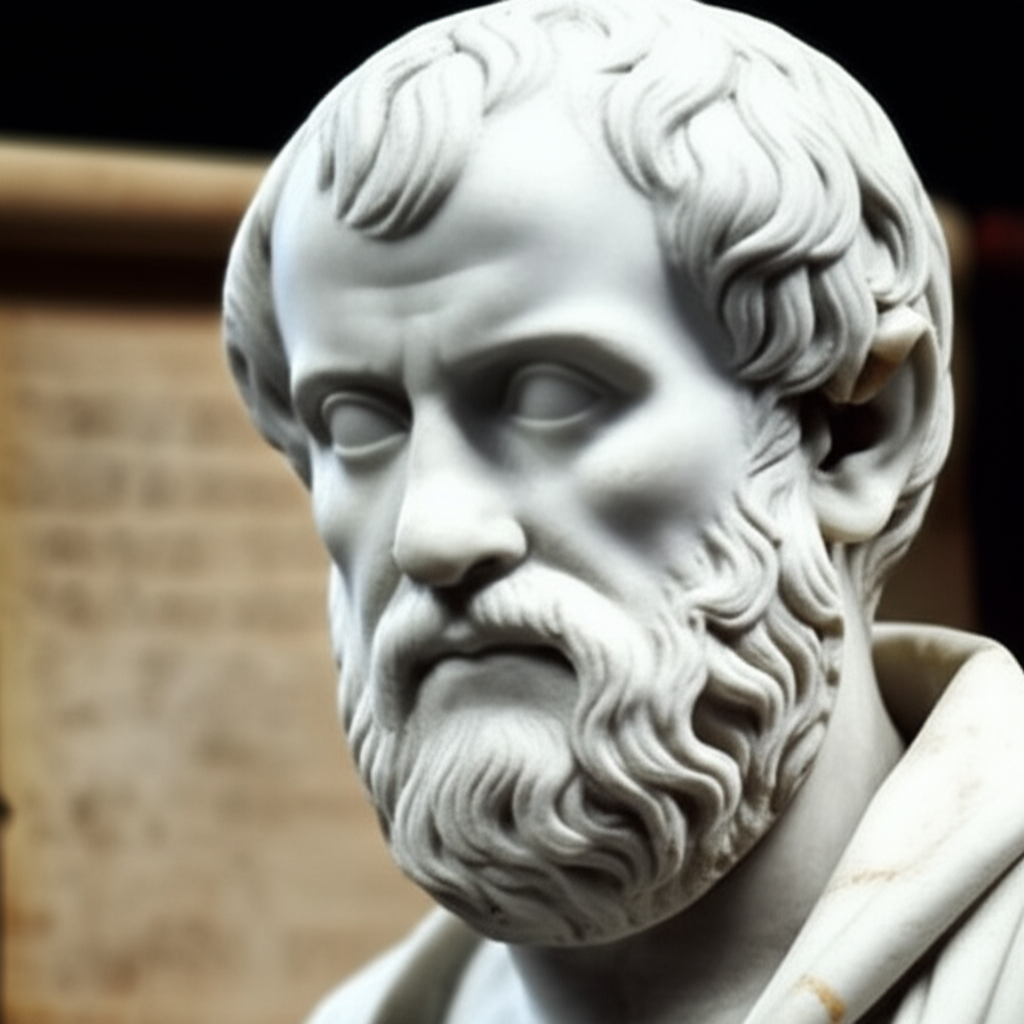
From the earliest philosophical inquiries, thinkers recognized the profound influence of repeated actions on one's moral disposition. Among them, Aristotle stands preeminent, offering a foundational understanding of how character is not an innate gift but a cultivated state.
From Practice to Perfection: Aristotle on Habit and Virtue
In his seminal work, Nicomachean Ethics, Aristotle posits that virtue is a "state of character" (hexis) acquired through repeated actions. He famously argues that we become just by performing just acts, temperate by performing temperate acts, and brave by performing brave acts. This isn't a passive process; it's an active, deliberate engagement with our actions that molds our inner being.
Consider the craftsperson: they become skilled not by merely understanding the principles of their trade, but by repeatedly practicing it. Similarly, moral excellence, according to Aristotle, is a result of habituation. It's through consistent practice that we develop the right dispositions, making it easier and more natural to choose the good. This directly contrasts with the idea that moral knowledge alone is sufficient; for Aristotle, knowledge must be translated into action, and repeated action forms character.
While Plato, in his Republic, focused on the intellectual apprehension of the Good and the ideal societal structure for moral upbringing, even he implicitly understood the need for early training and exposure to noble examples, which are forms of habituation. Both recognized that a just society depends on individuals habituated to justice.
Key Aristotelian Insights on Habit:
- Virtue is not innate: We are not born virtuous, but with the capacity for virtue.
- Practice makes perfect: Moral virtues are acquired through repeated actions.
- The "mean": Habituation helps us find the appropriate middle ground (the mean) between excess and deficiency in our actions and feelings.
- Pleasure and pain: The virtuous person takes pleasure in virtuous acts and is pained by vicious ones, a disposition developed through habit.
The Mechanics of Moral Formation: Habit as the Architect of Character
Habits are the silent sculptors of our moral landscape, shaping not only what we do, but who we become. They operate on a fundamental level, influencing our choices, reactions, and overall disposition.
Building Blocks of Being: How Habits Shape Our Moral Landscape
Every action, every choice, no matter how small, contributes to the intricate mosaic of our character.
The Dual Nature: Virtue and Vice as Products of Repetition
The power of habit is a double-edged sword. Just as good habits lead to the blossoming of virtue, so too do destructive habits cultivate vice.
- Cultivating Virtue: When we repeatedly choose honesty, we strengthen our disposition towards truthfulness, making it easier to be honest even when it's difficult. Acts of generosity, consistently performed, build a generous character. Courage, cultivated through facing fears, becomes an ingrained response. These are the bricks and mortar of a virtuous life, laid one by one through consistent practice.
- Entrenching Vice: Conversely, repeated acts of deceit can harden one's conscience, making dishonesty a default. Procrastination, consistently indulged, can lead to a lack of diligence. Small acts of unkindness, if unchecked, can erode empathy and foster malice. Vice is often the cumulative result of a series of poor choices that, through repetition, become ingrained patterns of behavior.
Beyond Mere Routine: Habit as a Foundation for Ethical Action
Habit is more than just mindless routine; it's a foundation that frees up our rational faculties. When basic moral responses are habitual, we don't have to expend mental energy deliberating over every simple ethical choice. This allows us to focus our intellect on more complex dilemmas, to engage in deeper moral reasoning, and to respond with greater agility when faced with novel ethical challenges. A person habituated to honesty doesn't have to think about whether to lie in a trivial situation; their character already steers them towards truth.
The Intentional Cultivation: Education as a Moral Gardener
If habits are the architects of character, then education is the deliberate gardener, nurturing the seeds of virtue and pruning the nascent shoots of vice. Moral education is not merely the transmission of ethical principles but the intentional cultivation of dispositions through practice and guidance.
The Deliberate Path: Moral Education as the Shaping of Habits
From the earliest stages of life, our environment, our mentors, and our communities play a crucial role in shaping our moral habits.
From Childhood to Citizenship: Instilling Moral Dispositions
The process of moral education begins in childhood, where parents and educators instil foundational behaviors. Children learn to share, to be polite, to respect others' property, not just by being told, but by repeatedly practicing these actions under guidance. Plato, in The Republic, outlines a rigorous system of education for his guardians, emphasizing exposure to noble stories, harmonious music, and physical training – all designed to habituate the soul to order, courage, and temperance from a young age, preparing them for their civic duty.
This early shaping of character is critical because these initial habits form the bedrock upon which more complex moral understanding will later be built. It's about developing the right emotional responses and inclinations, ensuring that individuals are disposed towards the good even before they can fully articulate the philosophical reasons for it.
Curriculum of Character: Methods of Habituation
Moral education employs various methods to foster positive habits:
- Role-modeling: Observing and emulating virtuous individuals.
- Storytelling: Immersing oneself in narratives that illustrate moral dilemmas and resolutions, fostering empathy and understanding.
- Consistent reinforcement: Praising good actions and gently correcting poor ones.
- Practice of ethical decision-making: Providing opportunities to make choices and reflect on their outcomes, even in controlled environments.
- Rituals and routines: Establishing practices within families or communities that reinforce values like gratitude, service, or communal responsibility.
Habit, Duty, and the Moral Imperative
While some philosophical traditions, notably Kantian ethics, emphasize the rational apprehension of duty as paramount, the role of habit in supporting and facilitating the fulfilment of duty cannot be overstated.
From Inclination to Obligation: Habits Supporting the Call of Duty
For Immanuel Kant, moral action is truly moral only when performed out of a sense of duty, derived from a rational understanding of the categorical imperative, rather than from mere inclination or emotion. However, even if the ultimate ground of duty is reason, habit plays a critical role in making the execution of duty more consistent and less burdensome.
Making Duty Second Nature
Consider the duty to be honest. While a Kantian would argue that one tells the truth because it is a universalizable maxim, a person who has been habituated to honesty throughout their life finds it easier to fulfil this duty. The struggle between inclination (e.g., to avoid an uncomfortable truth) and duty is lessened because the virtuous habit of truthfulness is already deeply ingrained.
Habits can transform what might initially be a strenuous moral effort into a more natural and effortless inclination to do what is right. This doesn't diminish the moral worth of the action (as long as the underlying rational understanding of duty is present), but rather makes consistent adherence to duty more robust and reliable.
The Interplay: When Habit and Reason Align
Ideally, habit and reason work in concert. Reason identifies what our duty is, while well-formed habits provide the emotional and volitional strength to act accordingly. A person habituated to compassion might instinctively reach out to help someone in distress, and their reason would confirm that this is indeed a moral duty. Here, habit doesn't replace rational deliberation but rather provides a strong, positive inclination that aligns with and supports reasoned moral choices.
The Contemporary Resonance of Ancient Wisdom
The insights from the Great Books of the Western World regarding habit and moral education are far from relics of the past; they resonate profoundly in our complex modern world.
Beyond the Ancients: Why Habit Still Matters in Modern Moral Life
In an era of rapid technological change and shifting societal norms, the foundational understanding of habit's role in character development offers a stable anchor.
Navigating Complexity: Habits as Moral Anchors
Our contemporary world presents a myriad of ethical challenges, from digital ethics to global responsibilities. While new dilemmas require careful deliberation, established moral habits—such as honesty, empathy, diligence, and justice—provide a stable internal compass. They offer a default setting towards the good, making us more resilient in the face of temptation and better equipped to navigate moral ambiguity. These habits, cultivated through sound education, allow us to stand firm on core principles even when the landscape around us is in flux.
Personal Growth and Societal Flourishing
Ultimately, the individual cultivation of positive habits, leading to virtue and the avoidance of vice, contributes directly to the flourishing of society. A community composed of individuals who are habitually just, honest, and compassionate is inherently more stable, trustworthy, and conducive to human well-being. Moral education, therefore, is not just about personal improvement; it's a vital investment in the collective good, enabling citizens to better understand and fulfil their shared duty to one another.
Conclusion
The enduring wisdom of the Great Books of the Western World unequivocally demonstrates that habit is not merely incidental but foundational to moral development. Moral education, in its most profound sense, is the deliberate art of shaping these habits to foster virtue and diminish vice, ultimately enabling individuals to better understand and fulfil their duty. From Aristotle's emphasis on practice to Plato's vision of a habituated citizenry, the message is clear: our character is built brick by brick, through the consistent actions we perform. To live a truly ethical life is to consciously cultivate those habits that lead us towards the good, transforming mere inclination into robust moral excellence.
YouTube Video Suggestions:
-
📹 Related Video: ARISTOTLE ON: The Nicomachean Ethics
Video by: The School of Life
💡 Want different videos? Search YouTube for: ""Aristotle Nicomachean Ethics habit virtue""
-
📹 Related Video: PLATO ON: The Allegory of the Cave
Video by: The School of Life
💡 Want different videos? Search YouTube for: ""Plato Republic moral education""