

The Divine Architect of Morality: Exploring God's Role in the Moral Universe
The question of God's role in the moral universe is one of the most enduring and profound inquiries in human thought, a philosophical and theological cornerstone that has shaped civilizations and individual lives. It touches upon our deepest convictions about right and wrong, the source of our ethical obligations, and the very meaning of existence. This pillar page delves into the intricate relationship between the divine and morality, examining various perspectives from classical philosophy to contemporary thought, seeking to illuminate how belief in God has informed, challenged, and sometimes confounded our understanding of Good and Evil.
From ancient scriptures to the works of the Great Books of the Western World, thinkers have grappled with whether morality is divinely ordained, inherently human, or a complex interplay of both. We'll explore the arguments for God as the ultimate lawgiver, the ground of moral obligation, and the ultimate arbiter of justice, while also considering the compelling cases for a secular morality that stands independently of Theology or Religion.
The Foundations of Divine Morality: God as the Ultimate Standard
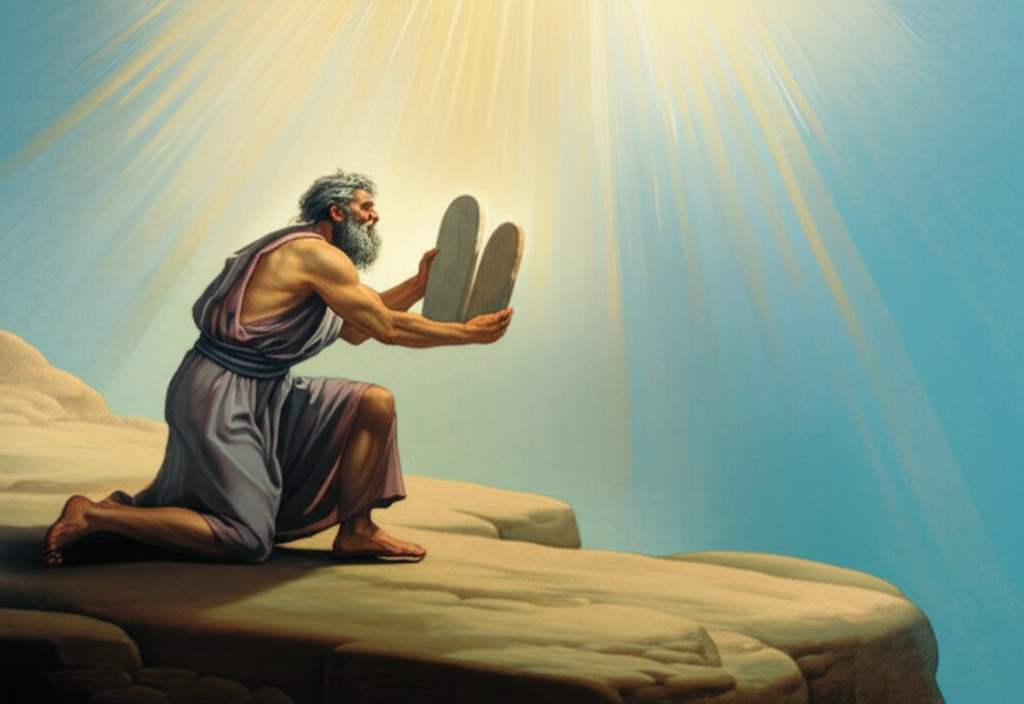
At the heart of many Religions and philosophical systems lies the premise that God is the ultimate source and standard of morality. This perspective, often termed Divine Command Theory, posits that an action is morally good simply because God commands it, and evil because God forbids it.
The Divine Command Theory: A Deeper Look
This theory offers a seemingly straightforward answer to the question of moral authority: if God is omniscient, omnipotent, and perfectly good, then His commands must represent the highest moral truth.
- Key Tenets:
- Moral principles originate from God's will.
- Moral duties are determined by divine commands.
- Obedience to God's commands is the path to moral goodness.
However, even within this framework, profound questions arise. The most famous challenge to this idea comes from Plato's Euthyphro dilemma: "Is the pious loved by the gods because it is pious, or is it pious because it is loved by the gods?" This question forces us to consider whether morality has an independent existence that even God adheres to, or if God's will creates morality.
Table 1: The Euthyphro Dilemma Explained
| Perspective A: Morality is Independent | Perspective B: Morality is Dependent on God |
|---|---|
| God commands actions because they are inherently good. | Actions are good because God commands them. |
| Implies a standard of goodness beyond God. | God's will defines goodness; no external standard. |
| Potential for God to be subject to external moral laws. | Potential for arbitrary commands; "good" becomes whatever God says. |
Thinkers like Augustine and Aquinas, while deeply committed to Theology, wrestled with these nuances. Aquinas, for instance, argued that God's commands are not arbitrary but flow from His perfect nature, which is inherently rational and good. Thus, God commands what is good because He is good, bridging the gap somewhat between the two horns of the Euthyphro dilemma.
God, Conscience, and the Pursuit of Good and Evil
Beyond defining what is right, the concept of God often plays a crucial role in providing motivation for moral behavior and a framework for understanding consequences.
The Moral Compass: Divine Guidance and Accountability
For many, belief in God provides a powerful incentive for ethical conduct. The idea of divine judgment, an afterlife, or simply living in accordance with a higher purpose can profoundly shape one's moral choices.
- Internalized Morality: Many Religions teach that God has instilled a conscience within humanity, an inner voice that guides us towards Good and Evil. This divine spark encourages self-reflection and personal responsibility.
- Divine Law and Justice: The concept of universal divine laws, often codified in sacred texts, provides a clear ethical framework. Violations of these laws are seen as not only harmful to others but also an affront to God, carrying spiritual consequences.
- The Problem of Evil: Conversely, the existence of immense suffering and evil in a world supposedly created and governed by an all-powerful, all-good God presents a significant challenge to Theology. This "problem of evil" has led philosophers and theologians alike to deeply question the nature of God's involvement in the moral fabric of the universe, leading to various attempts at reconciliation (theodicies) or, for some, a rejection of God altogether.
Secular Morality: Can Good and Evil Exist Without God?
While the divine perspective offers a compelling framework, a significant thread in philosophical thought argues that morality can, and often does, exist independently of God or Religion.
Reason, Empathy, and Human Flourishing
Thinkers from ancient Greece to the Enlightenment and beyond have posited that humans possess the capacity for moral reasoning and ethical behavior based on innate qualities, societal needs, or rational principles.
- Aristotle and Virtue Ethics: Aristotle, in his Nicomachean Ethics, argued that morality is about cultivating virtues – excellences of character – that lead to human flourishing (eudaimonia). This framework focuses on the actor's character rather than divine commands, suggesting that reason and practice can guide us towards Good and Evil.
- Kant and Deontology: Immanuel Kant, a pivotal figure in modern philosophy, proposed a system of morality based on reason and duty. His "categorical imperative" dictates that one should act only according to a maxim that could be universally applied without contradiction. For Kant, moral laws are discoverable by rational beings, independent of any divine decree.
- Utilitarianism: Philosophers like Jeremy Bentham and John Stuart Mill developed utilitarianism, which holds that the most moral action is the one that maximizes overall happiness or well-being for the greatest number of people. This ethical framework focuses on consequences and is entirely secular in its foundation.
- Evolutionary Ethics: More recently, some theories suggest that moral behaviors like altruism and cooperation have evolved because they offer survival advantages for social species, providing a biological basis for our sense of Good and Evil.
These secular approaches demonstrate that a robust and compelling moral system can be constructed without recourse to Theology. They emphasize human reason, empathy, and the collective pursuit of a better society as the drivers of ethical action.
The Evolving Dialogue: Reconciling Faith and Reason
The tension between divinely-inspired and secular morality is not necessarily a zero-sum game. Many contemporary thinkers, both within and outside Religion, seek to find common ground or explore the synergistic possibilities between these perspectives.
Beyond Dogma: Shared Moral Intuitions
Regardless of one's belief in God, many core moral principles — such as prohibitions against murder, theft, and deceit, and the valuing of compassion and justice — are widely shared across cultures and belief systems. This suggests a deeper, perhaps universal, human intuition about Good and Evil.
- Natural Law Tradition: Within Theology, particularly in Catholicism, the concept of Natural Law posits that moral principles are inherent in the natural order of the world, discoverable by human reason, and ultimately reflecting God's eternal law. This allows for a convergence point where both believers and non-believers can arrive at similar moral conclusions through rational inquiry.
- Moral Realism: Some philosophers argue for a form of "moral realism," suggesting that moral truths exist objectively, whether or not a divine being declares them or humans discover them. This position can be compatible with both Religion and secular viewpoints, depending on how one conceptualizes the source of these objective truths.
The ongoing dialogue about The Role of God in the Moral Universe is less about proving one side absolutely right and more about understanding the multifaceted nature of morality itself. It invites us to consider how our beliefs, our reason, and our shared humanity contribute to our ethical frameworks. Whether God is seen as the ultimate source, a guiding light, or an inspiring narrative, the conversation continues to shape our quest for a just and meaningful existence.
Conclusion: The Enduring Quest for Moral Understanding
The question of The Role of God in the Moral Universe remains as vital and complex today as it was for the ancient philosophers. From the divine commands that shape Religion and Theology to the reasoned principles of secular ethics, humanity has sought to define Good and Evil and understand the imperative to act morally.
We've traversed the landscape of Divine Command Theory, explored the profound implications of divine judgment, and considered the powerful arguments for a morality grounded in human reason, empathy, and the pursuit of flourishing. What emerges is not a singular, definitive answer, but a rich tapestry of perspectives that underscores the depth of our ethical inquiry.
Ultimately, whether one finds the source of morality in the divine will of God or in the inherent capacities of human reason, the journey of ethical reflection is a shared human endeavor. It is a continuous process of questioning, learning, and striving to live a life aligned with our deepest values. The planksip.org community invites you to continue this exploration, to delve deeper into these timeless questions, and to contribute your own insights to the evolving understanding of morality in our universe.
YouTube Video Suggestions:
-
📹 Related Video: PLATO ON: The Allegory of the Cave
Video by: The School of Life
💡 Want different videos? Search YouTube for: ""Plato Euthyphro Dilemma Explained""
2. ## 📹 Related Video: KANT ON: What is Enlightenment?
Video by: The School of Life
💡 Want different videos? Search YouTube for: ""Kant's Categorical Imperative Explained Philosophy""