

The Unseen Architect: How Experience Forges Our Habits
Habits, those intricate patterns that guide our thoughts, actions, and reactions, are not born in a vacuum. They are, in essence, the hardened pathways carved into our mind by the relentless flow of experience. From the simplest daily routines to the most profound moral inclinations, our habits are a testament to what we have repeatedly encountered, engaged with, and internalized. This article delves into the profound and often understated role that experience plays in shaping these fundamental aspects of our being, exploring how the Great Books of the Western World illuminate this fascinating process and how it extends from individual psychology to collective custom and convention.
The Genesis of Habit: Experience as the Primary Sculptor
At its core, a habit is an acquired pattern of behavior that becomes nearly involuntary through repetition. It's a kind of cognitive and behavioral shortcut, freeing the mind from the necessity of conscious deliberation for every action. But what initiates these shortcuts? It is experience. Every interaction with the world, every sensation, every decision, and every consequence contributes to the vast tapestry from which habits are woven.
Consider the early philosophical insights from the Great Books. Aristotle, in his Nicomachean Ethics, famously posited that virtue is not innate but acquired through practice—through repeated experience of virtuous acts. "We become just by doing just acts, temperate by doing temperate acts, brave by doing brave acts." Here, experience is not merely incidental; it is the very forge of character, transforming potential into actuality, shaping the mind's disposition towards certain actions.
Later, empiricists like John Locke, in his An Essay Concerning Human Understanding, argued that the mind begins as a tabula rasa, a blank slate, upon which all knowledge and, by extension, all patterns of thought and behavior are inscribed by experience. David Hume further elaborated on this, suggesting that our understanding of cause and effect, and indeed many of our beliefs, are products of the constant conjunction of experiences leading to habitual expectations. For these thinkers, the very structure of our inner world is a direct consequence of our engagement with the outer world.
The Mechanics of Habit Formation: A Journey from Novelty to Automaticity
The transformation of a novel experience into an ingrained habit involves several crucial stages within the human mind:
- Initial Encounter and Engagement: Every habit begins with a first experience. This might be a conscious decision to try a new activity, an accidental discovery, or a response to an external stimulus. The mind registers this new input.
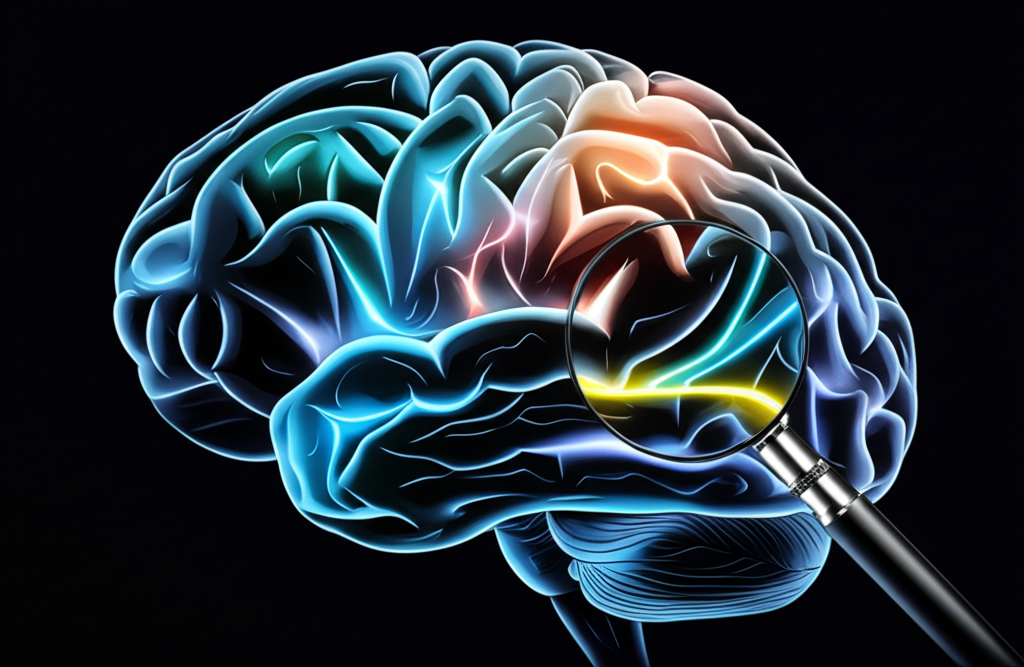
- Repetition and Reinforcement: This is the critical phase. When an experience is repeated, the neural pathways associated with that action or thought pattern are strengthened. Each repetition reinforces the connection, making it easier and quicker for the mind to follow that path again. Positive reinforcement (e.g., a sense of accomplishment, pleasure, or avoidance of pain) further solidifies the habit, making the mind more likely to seek out or repeat the experience.
- Automaticity and Subconscious Integration: With sufficient repetition, the habit moves from conscious effort to subconscious execution. The mind no longer needs to expend significant energy or attention. The action or thought pattern becomes automatic, a deeply etched groove that the mind naturally falls into when triggered by relevant cues. This frees up cognitive resources for other tasks.
| Stage of Habit Formation | Description | Role of Experience | Role of the Mind |
|---|---|---|---|
| Exposure | First encounter with an action, thought, or situation. | Provides the initial data point for the mind. | Registers novelty, creates initial neural connections. |
| Repetition | Deliberate or unconscious recurrence of the experience. | Strengthens the pathways, provides consistent input. | Reinforces connections, builds familiarity. |
| Reinforcement | Positive or negative feedback associated with the experience. | Conditions the mind to seek or avoid future experiences. | Associates outcomes with actions, influences future choices. |
| Automaticity | The action or thought becomes largely unconscious and effortless. | The accumulated history of experiences dictates the response. | Executes patterns without conscious deliberation. |
From Individual Habits to Custom and Convention
The influence of experience on habit formation extends far beyond the individual. When shared experiences lead to similar habits among a group of people, these collective patterns begin to coalesce into custom and convention. Society itself is, in many ways, a grand edifice built upon the bedrock of shared habits.
- Shared Experience: A community repeatedly encountering similar challenges, celebrating similar events, or engaging in similar rituals will naturally develop common ways of thinking and acting.
- Collective Reinforcement: As individuals within a group reinforce each other's behaviors—through praise, imitation, or social pressure—these shared habits become enshrined as customs.
- Formalization into Convention: Over time, particularly effective or necessary customs can become formalized into conventions, laws, or institutions. Think of the custom of greeting one another, which can evolve into the convention of shaking hands or bowing. Even legal systems are often rooted in long-standing customary practices that have been codified.
The mind of the collective, much like the individual mind, learns and adapts through experience. The history of a culture is a history of its accumulated experiences, which have shaped its unique set of customs and conventions. These, in turn, become powerful forces that shape the experiences of future generations, creating a fascinating feedback loop.
The Power of Conscious Experience in Shaping Our Future
Understanding the profound link between experience and habit empowers us. It means that we are not entirely prisoners of our existing patterns. By consciously choosing our experiences, or by deliberately engaging in new ones, we can actively sculpt our future habits. This requires intentionality, patience, and a deep appreciation for the incremental power of repetition.
Whether we seek to cultivate virtuous behaviors, break detrimental patterns, or simply become more effective individuals, the path forward invariably involves a mindful engagement with our daily experiences. For it is in the crucible of experience that the enduring architecture of our habits, both personal and societal, is tirelessly forged.
YouTube Video Suggestions:
-
📹 Related Video: ARISTOTLE ON: The Nicomachean Ethics
Video by: The School of Life
💡 Want different videos? Search YouTube for: ""Aristotle Nicomachean Ethics Habit Virtue""
2. ## 📹 Related Video: What is Philosophy?
Video by: The School of Life
💡 Want different videos? Search YouTube for: ""John Locke Tabula Rasa Experience Philosophy""