

The experience of beauty, whether in a breathtaking landscape, a resonant piece of music, or a profound work of art, is rarely a purely intellectual exercise. Instead, it is deeply, often overwhelmingly, intertwined with our emotions. This article explores how our feelings are not merely a byproduct of aesthetic appreciation but are, in fact, fundamental to how we perceive, interpret, and value beauty, shaping our understanding of art and the world through the lens of our sense and sentiment.
The Heart of Aesthetic Experience: Emotion and Beauty
At the core of our aesthetic encounters lies a powerful interplay between the object of perception and our internal emotional landscape. We don't just see a sunset; we feel its warmth, its grandeur, its fleeting serenity. We don't just hear a symphony; we are moved by its pathos, its joy, its dramatic tension. This immediate, often involuntary, emotional response is critical. It transforms mere recognition into profound experience, elevating an observation into an appreciation of beauty.
Philosophers throughout history, from the ancient Greeks to Enlightenment thinkers, have grappled with this connection. Is beauty an objective quality inherent in the thing itself, or is it a subjective experience contingent on the observer's sense and emotion? The prevailing wisdom, particularly since the Enlightenment, suggests a significant role for the latter.
Beauty's Subjective Resonance: A Matter of Sense and Sentiment
While some might argue for universal standards of beauty, our personal emotional responses undeniably color our aesthetic judgments. What one person finds beautiful and moving, another might find unremarkable or even unsettling. This subjectivity is not a weakness but a testament to the richness of human experience, where our individual histories, cultural contexts, and present emotions all contribute to how we sense and interpret the world.
- Personal Connection: Our past experiences and memories often infuse objects with emotional significance, making them beautiful to us in a deeply personal way.
- Cultural Context: Shared cultural narratives and values can dictate what is deemed beautiful, often evoking collective emotions of pride, nostalgia, or reverence.
- Mood and Temperament: Our current emotional state can significantly alter our perception, making us more receptive to certain forms of beauty or art.
David Hume, a prominent figure in the Great Books of the Western World, famously argued that beauty is not a quality in objects themselves but exists "merely in the mind which contemplates them." This perspective underscores the indispensable role of our internal faculties, including our emotions, in constituting aesthetic judgment.
Art as an Emotional Conduit: Crafting Beauty Through Feeling
Art, in its myriad forms, is perhaps the most explicit demonstration of emotion's role in aesthetics. Artists often intend to evoke specific emotions in their audience, using beauty (or its deliberate subversion) as a primary tool.
- Expression of the Artist: Many artists pour their own emotions into their creations, using art as a vehicle for self-expression. The beauty we perceive can be a reflection of the artist's inner world, communicated through their chosen medium.
- Evocation in the Viewer: Great art doesn't just present an image or sound; it invites us into an emotional dialogue. A poignant melody, a dramatic painting, or a compelling narrative can stir feelings of joy, sorrow, awe, or wonder, thereby enhancing our perception of its beauty and significance.
- Catharsis and Transformation: As Aristotle discussed in relation to tragedy, art can provide a cathartic release of powerful emotions, leading to a sense of purification or understanding. This emotional journey is often perceived as a form of profound beauty, even if the subject matter itself is not traditionally "beautiful."
Consider the deliberate use of color in a painting to convey mood, the dissonances in music to build tension, or the narrative arc of a play to elicit empathy. These are all conscious choices by artists to manipulate our emotions and, through that manipulation, deliver an aesthetic experience that resonates as beautiful or profoundly meaningful.
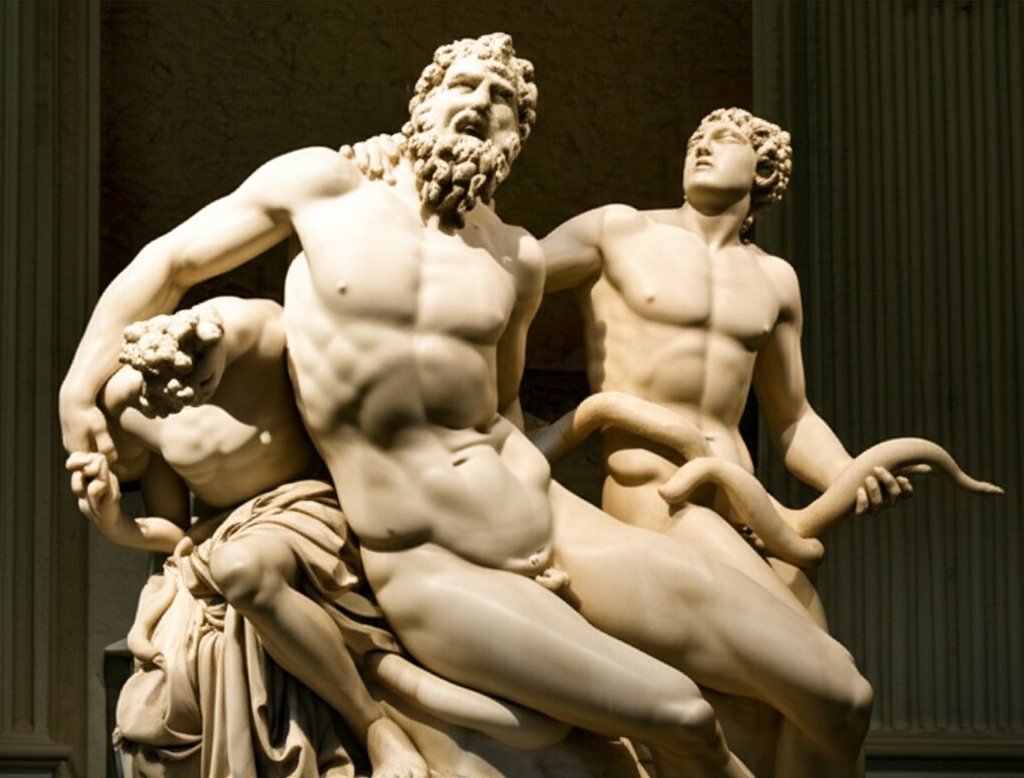
The Sensory Gateway: How We Sense Emotion and Beauty
Our senses are the primary interface through which we encounter art and beauty. It is through sight, sound, touch, and even smell and taste that the aesthetic object first registers, triggering our initial physiological and emotional responses.
| Sensory Input | Aesthetic Experience | Emotional Response |
|---|---|---|
| Visual | Color, form, composition, light | Awe, tranquility, excitement, discomfort |
| Auditory | Melody, harmony, rhythm, timbre | Joy, melancholy, tension, relaxation |
| Tactile | Texture, temperature, weight | Comfort, curiosity, repulsion |
| Olfactory | Scent, aroma | Nostalgia, alertness, distaste |
| Gustatory | Flavor, palate | Pleasure, surprise, aversion |
These sensory inputs are not merely data points; they are imbued with meaning by our brains, often before conscious thought. A vibrant red might instantly evoke passion or danger, a minor chord sadness, a smooth surface comfort. This immediate, pre-cognitive emotional sense is a crucial layer in our aesthetic judgment, acting as a filter and amplifier for our perception of beauty. Immanuel Kant, another giant from the Great Books, explored the concept of "disinterested pleasure" in aesthetic judgment, suggesting that while the pleasure is subjective, it aims for universal validity, implying a shared human capacity to sense and respond to beauty, often through emotional resonance.
Conclusion: Emotion as the Fabric of Aesthetic Appreciation
In conclusion, the role of emotion in aesthetics is not merely supplementary; it is foundational. Our capacity to feel, to be moved, to experience joy, sorrow, awe, or tranquility in response to beauty and art is what makes aesthetic appreciation a uniquely human and profoundly enriching endeavor. Whether we are discussing the objective qualities of a masterpiece or the subjective experience of an individual, emotion serves as both the catalyst and the consequence of our engagement with beauty. It is the vibrant thread that weaves together our senses, our intellect, and the world around us, allowing us to not just observe beauty, but to truly feel it.
YouTube Video Suggestions:
-
📹 Related Video: What is Philosophy?
Video by: The School of Life
💡 Want different videos? Search YouTube for: ""Hume on Taste and Beauty Philosophy""
2. ## 📹 Related Video: KANT ON: What is Enlightenment?
Video by: The School of Life
💡 Want different videos? Search YouTube for: ""Kant's Critique of Judgment Aesthetics Explained""