

The Emotional Core of Aesthetic Experience
The role of emotion in aesthetics is not merely incidental; it is a fundamental, deeply interwoven thread that defines our very sense of beauty and our engagement with art. From the initial spark of creation within the artist to the profound resonance felt by the observer, emotions act as both the genesis and the ultimate interpreter of aesthetic value. This article explores how our feelings shape, inform, and ultimately complete the aesthetic experience, drawing on the enduring insights of Western thought.
The Artist's Emotional Palette: The Genesis of Creation
For many artists, the creative impulse is inextricable from their emotional landscape. Art often serves as a powerful conduit for expressing, processing, or even transcending emotion. Whether it's the raw anguish channeled into a dramatic painting, the joyous exuberance captured in a vibrant musical composition, or the contemplative serenity woven into a thoughtful poem, the artist's inner world forms the bedrock of their aesthetic output.
Emotion as the Driving Force:
- Inspiration: A strong emotional state can ignite the desire to create, compelling the artist to give form to their feelings.
- Expression: Art becomes a language for emotions that words alone cannot fully convey, offering a universal sense of human experience.
- Catharsis (for the artist): The act of creation itself can be a therapeutic release, allowing the artist to grapple with and externalize complex emotions.
Consider the passionate intensity of a Beethoven symphony or the melancholic introspection of a Van Gogh self-portrait; these works are not just technical feats but profound emotional statements. The role of emotion here is primary, shaping the very structure and texture of the art.
The Spectator's Emotional Resonance: Feeling the Art
If emotion is the genesis, it is also the destination. When we encounter art, our initial response is frequently an emotional one. Before intellectual analysis, there is a gut reaction, a feeling—whether it's awe, delight, sadness, unease, or wonder. This immediate, visceral sense is crucial to how we perceive and value a work of art.
The Emotional Spectrum of Aesthetic Reception:
- Empathy: We often connect with the emotions embedded in a work, feeling a shared human experience.
- Awe and Wonder: The sublime, as explored by Longinus and later by Burke and Kant, evokes powerful emotions of admiration, fear, and reverence.
- Disquiet and Challenge: Not all aesthetic emotions are pleasant. Art can provoke discomfort, challenge our assumptions, or confront us with difficult truths, serving a vital critical role.
- Pleasure and Delight: The inherent beauty of form, color, or sound can simply bring joy, a direct emotional reward.
The role of emotion here is to bridge the gap between the artwork and the observer, allowing for a profound, personal connection that transcends mere observation. Our aesthetic sense is deeply intertwined with our capacity to feel.
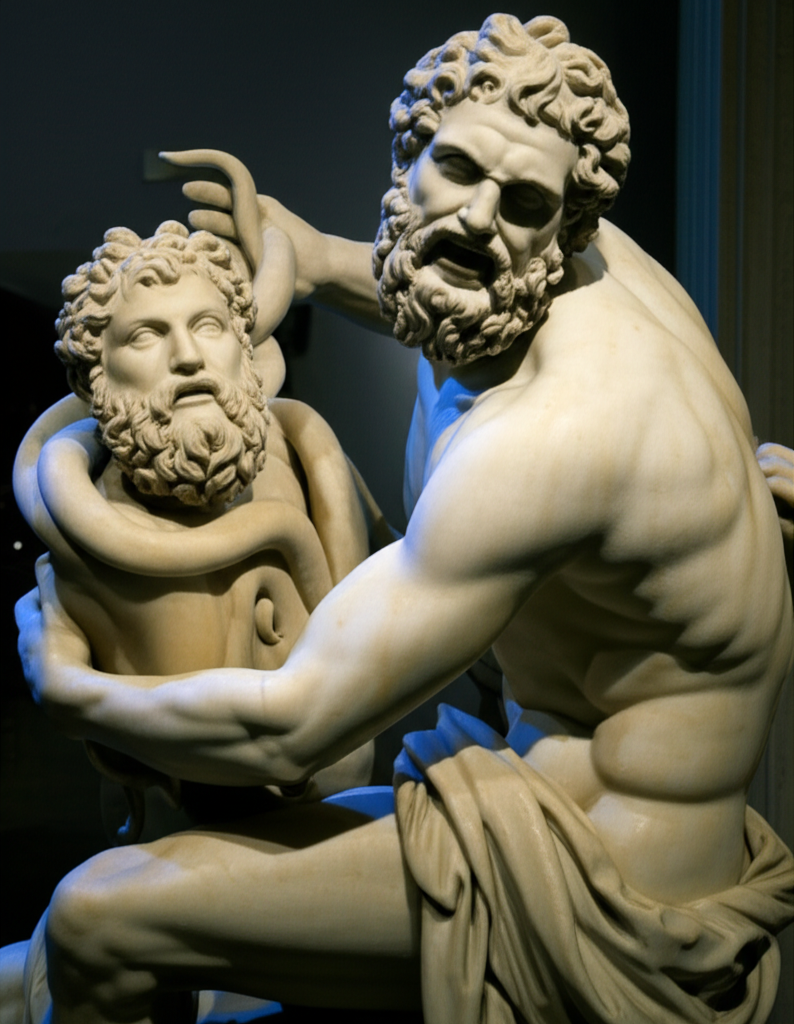
Classical Perspectives on Aesthetic Emotion: Echoes from the Great Books
The "Great Books of the Western World" offer a rich tapestry of thought on the role of emotion in aesthetics, often presenting contrasting views that continue to inform contemporary discussions.
A Brief Glimpse into Ancient Wisdom:
| Philosopher/Work | Primary View on Emotion in Art | Key Role of Emotion |
|---|---|---|
| Plato | Often viewed with suspicion. Feared art's power to stir irrational emotions, potentially corrupting citizens and undermining reason. Saw mimesis (imitation) as leading to emotional excess. | Potentially dangerous, distracts from truth. |
| Aristotle | Advocated for the role of art (especially tragedy) in providing catharsis—a purgation of pity and fear that leaves the spectator feeling purified and enlightened. Believed art could refine emotions. | Therapeutic, refining, and educational. |
| Longinus | In On the Sublime, he celebrated art's ability to elevate the soul and transport the audience through grand and powerful expression, often evoking strong emotions like awe and ecstasy. | Elevating, transporting, inspiring. |
These foundational thinkers demonstrate that the debate over emotion's role in our aesthetic sense is as old as philosophy itself. Whether seen as a threat to reason or a pathway to enlightenment, its power has never been denied.
Beyond Simple Pleasure: The Nuances of Our Aesthetic Sense
While the immediate emotional response is potent, the role of emotion in aesthetics extends beyond mere pleasure or pain. It interacts with our intellect, our moral framework, and our understanding of the world. A profound aesthetic experience often involves a complex interplay of feeling and thought, where emotion guides our attention and prompts deeper reflection.
Our aesthetic sense allows us to appreciate art that challenges, disturbs, or provokes, not just that which soothes. The beauty in a stark, unsettling photograph, or the profound impact of a tragic drama, lies in its capacity to evoke powerful, often uncomfortable, emotions that lead to greater insight or understanding. This complexity underscores that emotion is not just a reaction, but an active component in our interpretation and evaluation of art.
Key Roles of Emotion in Aesthetic Judgment:
- Directing Attention: Emotions highlight what is significant in a work.
- Facilitating Empathy: Allowing us to connect with diverse human experiences.
- Prompting Reflection: Challenging our perceptions and fostering deeper thought.
- Enhancing Memory: Emotionally charged experiences are more memorable.
Ultimately, to deny the role of emotion in aesthetics would be to strip art of much of its power, its meaning, and its profound human connection. Our capacity to feel is integral to our capacity to appreciate the beautiful, the sublime, and the meaningful in the world of art.
📹 Related Video: ARISTOTLE ON: The Nicomachean Ethics
Video by: The School of Life
💡 Want different videos? Search YouTube for: ""Aesthetics and Emotion Philosophy" "Aristotle Poetics Catharsis Explained""