

The Canvas of Persuasion: How Art Molds Our Minds and Opinions
Art, in its myriad forms, is far more than mere aesthetic pleasure; it is a potent force in the shaping of human opinion, a silent orator capable of swaying the collective and individual mind with profound subtlety. From ancient Greek theatre to contemporary digital installations, art acts as a powerful form of rhetoric, bypassing purely logical arguments to engage our emotions, challenge our perceptions, and ultimately, redefine our understanding of the world and our place within it. This article explores how art functions as a persuasive tool, drawing on philosophical insights to illuminate its enduring capacity to influence thought and belief.
Art as a Silent Orator: Engaging the Mind Beyond Words
The moment we encounter a piece of art—be it a haunting melody, a vibrant painting, or a compelling narrative—our minds are opened to a new way of seeing, feeling, and understanding. Art's power lies in its ability to communicate complex ideas, emotions, and perspectives without the direct confrontational nature of a verbal argument. It invites contemplation, provokes empathy, and can subtly shift our internal landscape, preparing the ground for new opinions to take root. This indirect, yet deeply impactful, form of persuasion is where art truly distinguishes itself as a unique rhetorical force.
The Ancient Roots of Artistic Influence
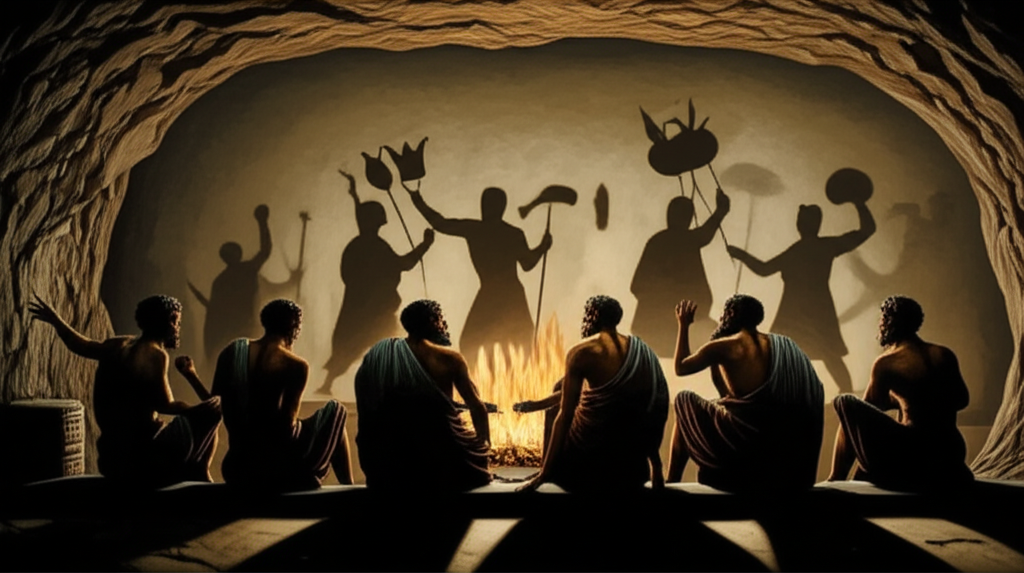
Philosophers from the Great Books of the Western World have long grappled with the persuasive power of art. Plato, in his Republic, famously viewed art (specifically mimetic art) with suspicion, fearing its capacity to stir emotions and lead the "Mind" away from reason and truth. He recognized its profound influence on the citizenry's character and "Opinion," arguing that certain forms of art should even be censored to protect the ideal state.
Conversely, Aristotle, in his Poetics, explored the cathartic effect of tragedy, demonstrating how art could purge intense emotions like pity and fear, thereby contributing to the well-being of the individual and society. Both thinkers, despite their differing conclusions, agreed on one fundamental point: art possessed an undeniable power to shape the human experience and, by extension, public and private "Opinion." They understood "Art" not just as decoration, but as a critical component of civic and moral education, a direct channel to the mind.
Beyond Logic: Art's Emotional Leverage
One of art's most effective rhetorical strategies is its ability to bypass the purely rational faculties and appeal directly to our emotions. A stirring symphony can evoke a sense of patriotism or sorrow; a poignant photograph can galvanize action against injustice; a powerful novel can foster empathy for marginalized groups. This emotional engagement is crucial because emotions often precede or accompany the formation of "Opinion."
Consider the following ways art leverages emotion:
- Empathy Creation: Art allows us to step into another's shoes, experiencing their joys and sorrows, thereby broadening our perspectives and challenging preconceived notions.
- Mood Induction: Music, visual art, and literature can create specific emotional atmospheres that make us more receptive to certain ideas or perspectives.
- Symbolic Representation: Art often uses symbols to convey complex ideas, tapping into our subconscious and cultural understanding in ways that direct language cannot.
- Visceral Impact: The sheer beauty or horror depicted in art can leave a lasting impression, shaping our reactions and "Opinions" on related real-world issues.
Art as a Mirror and a Lens
Art serves a dual function in society: it acts both as a mirror, reflecting existing societal "Opinions," values, and anxieties, and as a lens, through which we can critically examine, challenge, or even transform those very opinions.
- The Mirror: When art reflects prevailing sentiments, it validates them, reinforcing collective identity and shared beliefs. Historical paintings celebrating national heroes, for instance, solidify a particular narrative of national identity.
- The Lens: More provocatively, art can offer new perspectives, forcing us to confront uncomfortable truths or consider alternative realities. Satirical cartoons, protest songs, or avant-garde theatre often challenge dominant "Opinion," sparking dialogue and potentially leading to societal shifts. The artist, in this role, becomes a provocateur, using their medium to pry open the "Mind" to new possibilities.
The Mechanics of Artistic Rhetoric
Different artistic mediums employ distinct rhetorical strategies to influence the "Mind" and shape "Opinion."
| Art Form | Primary Rhetorical Strength | Impact on Opinion |
|---|---|---|
| Painting/Sculpture | Visual impact, symbolism, immediate emotional resonance | Shapes perceptions of beauty, power, ideology; creates lasting visual memories. |
| Literature/Poetry | Narrative, character identification, exploration of ideas | Fosters empathy, broadens understanding of human experience, challenges beliefs. |
| Music | Mood creation, collective experience, non-verbal persuasion | Evokes shared emotions, builds community, can become anthems for movements. |
| Drama/Theatre | Live embodiment of ideas, direct emotional engagement | Presents dilemmas, explores social issues, prompts audience reflection and debate. |
| Film/Digital Art | Immersive storytelling, multi-sensory experience | Creates powerful narratives, shapes cultural myths, influences global perspectives. |
The Ethical Dimension: Responsibility and Perception
Given art's undeniable capacity to shape "Opinion" and influence the "Mind," an important ethical question arises: What responsibility do artists bear for the messages they convey, and what responsibility do we, as viewers, have in interpreting them? Just as rhetoric can be used for noble causes, it can also be manipulated. The power of "Art" lies in its ambiguity and openness to interpretation, yet this very quality demands critical engagement. Understanding art's rhetorical tools allows us to become more discerning consumers, capable of appreciating its beauty while critically evaluating its persuasive intent.
Conclusion: Art as an Indispensable Force
Art remains an indispensable force in the ongoing evolution of human "Opinion." It challenges, comforts, inspires, and provokes, using a unique blend of aesthetic appeal and profound communicative power to shape our individual and collective "Mind." From the classical critiques of Plato to the modern-day impact of digital media, the philosophical inquiry into art's role continues to affirm its status not merely as an adornment to life, but as a fundamental shaper of our perceptions, beliefs, and understanding of the world.
(YouTube: "Plato's Philosophy of Art and Beauty Explained"
(YouTube: "The Art of Persuasion: Understanding Rhetoric"
📹 Related Video: What is Philosophy?
Video by: The School of Life
💡 Want different videos? Search YouTube for: "The Role of Art in Shaping Opinion philosophy"


