

The Unseen Hand: How Art Shapes Our Worldview and Opinions
Art is often perceived as mere aesthetic pleasure or decorative adornment. Yet, beneath its surface beauty lies a profound and often understated power: the ability to shape human opinion. From ancient frescoes to modern digital installations, art engages our mind and emotions, acting as a potent form of rhetoric that influences our perceptions, challenges our assumptions, and ultimately molds our collective and individual opinion. This article explores how art transcends simple representation to become a vital force in the construction of our worldview.
Philosophical Foundations: Echoes from the Great Books
The persuasive power of art is not a modern discovery; philosophers from the Great Books of the Western World have long grappled with its profound influence.
-
Plato's Cautionary Tales: In his Republic, Plato famously viewed art, particularly poetry, with suspicion. He saw artists as imitators (mimesis) who could stir emotions and create illusions, potentially leading citizens away from truth and reason. He recognized art's formidable power to shape the mind and opinion, so much so that he advocated for its strict regulation in his ideal state. For Plato, art could corrupt as easily as it could educate, making it a powerful tool for good or ill in the formation of opinion.
-
Aristotle's Affirmation of Catharsis: In contrast, Aristotle, in his Poetics, explored the positive potential of art, particularly tragedy. He argued that tragedy evokes catharsis – a purging of emotions like pity and fear – which can lead to moral clarity and intellectual insight. While Plato focused on art's potential for deception, Aristotle saw its capacity to refine human experience and contribute to a more nuanced understanding of life, thereby subtly guiding moral opinion. His work on Rhetoric further underscores how appeals to emotion (pathos) are crucial for persuasion, a domain where art excels.
These ancient perspectives highlight a timeless truth: art is never truly neutral. It possesses an inherent capacity to sway hearts and minds, making it a powerful, if sometimes subtle, agent in the formation of opinion.
The Mechanics of Influence: How Art Works on the Mind
How exactly does art achieve this persuasive feat? It operates through a multifaceted engagement with our cognitive and emotional faculties.
-
Emotional Resonance: Art bypasses purely rational defenses by directly tapping into our emotions. A poignant melody, a striking image, or a compelling narrative can evoke empathy, anger, joy, or sorrow. These emotional responses soften the mind, making us more receptive to the underlying message or perspective presented, thus subtly shifting our opinion.
-
Symbolism and Metaphor: Art communicates complex ideas through visual or auditory symbols and metaphors that often resonate more deeply than literal language. A dove represents peace, a broken chain signifies freedom. These universal symbols create shared understandings or challenge existing ones, shaping collective opinion without explicit argumentation.
-
Narrative Power: Stories, whether told through literature, film, or visual sequences, allow us to immerse ourselves in different realities and perspectives. By experiencing the world through another's eyes, even fictional ones, our empathy grows, and our understanding expands, often leading to a re-evaluation of our own opinion and beliefs.
-
Aesthetic Appeal and Engagement: The sheer beauty or intriguing nature of art can draw us in, holding our attention and making us more open to its content. An aesthetically pleasing piece can make a difficult or controversial message more palatable, allowing it to penetrate the mind where a direct argument might be rejected.
Art as Unspoken Rhetoric: The Persuasion of Perception
Rhetoric, traditionally defined as the art of persuasion, finds an eloquent, if often unspoken, partner in art. Unlike a political speech or an academic essay, art rarely presents a logical argument with premises and conclusions. Instead, it persuades through perception, feeling, and imaginative engagement.
-
Implicit Argumentation: A protest song doesn't just state a grievance; it embodies the emotion of injustice, making the listener feel the weight of it. A powerful photograph of suffering doesn't just show an event; it compels the viewer to confront the human cost, shaping their opinion on social issues. The rhetoric of art lies in its ability to create an experience that guides the viewer's interpretation and emotional response, leading them towards a particular viewpoint.
-
Framing Reality: Artists can frame reality in ways that highlight certain aspects and diminish others. By choosing what to depict, how to depict it, and what emotions to evoke, they guide the audience's gaze and focus their mind. This framing is a powerful rhetorical act, influencing how an audience understands an event, a person, or an idea, and consequently, shaping their opinion.
-
Cultural Commentary: Much art serves as cultural commentary, reflecting, challenging, or reinforcing societal norms and values. From satirical cartoons to epic historical dramas, artists engage with the dominant narratives of their time, offering alternative perspectives or consolidating existing ones, thereby actively participating in the ongoing negotiation of public opinion.
Mechanisms of Art's Persuasive Power
| Mechanism | Description | Impact on Opinion |
|---|---|---|
| Emotional Appeal | Evokes strong feelings (empathy, anger, joy) that bypass pure logic. | Makes the mind more receptive to new perspectives and values. |
| Symbolic Language | Uses universal or culturally specific symbols to convey complex ideas concisely. | Creates shared understandings or challenges existing ones, influencing collective opinion. |
| Narrative Immersion | Draws the audience into stories, allowing them to experience different viewpoints. | Fosters empathy and encourages re-evaluation of personal beliefs and opinion. |
| Aesthetic Engagement | Beauty or intrigue holds attention, making messages more palatable and memorable. | Increases openness to potentially challenging ideas, facilitating opinion change. |
| Cultural Mirror | Reflects and comments on societal values, norms, and political landscapes. | Shapes, reinforces, or challenges collective opinion on social issues. |
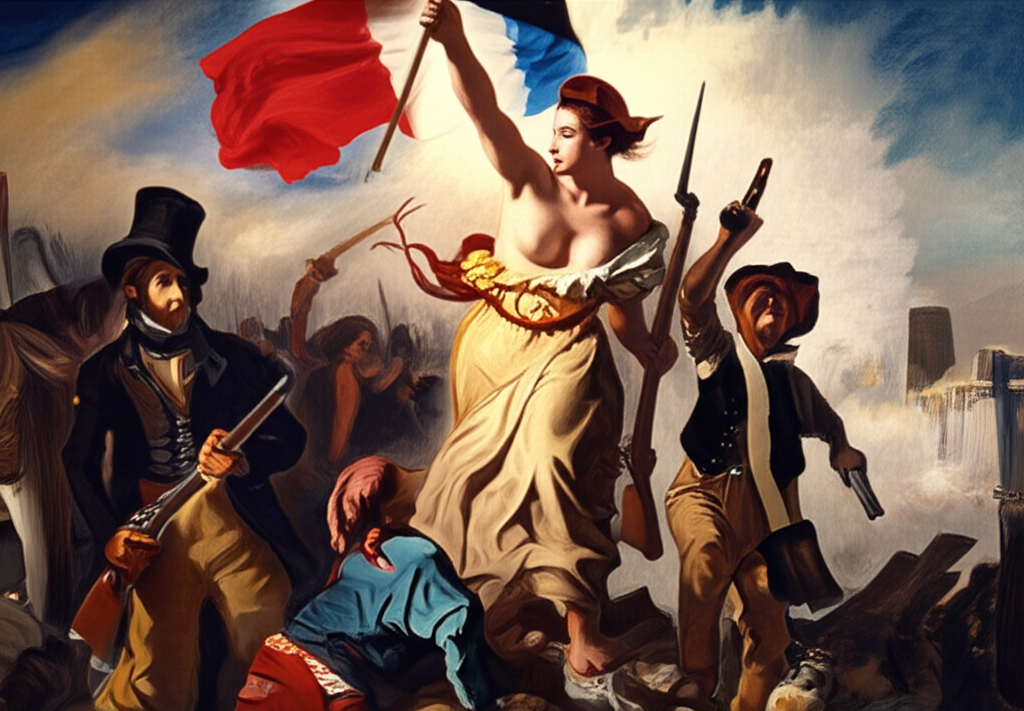
Shaping the Collective Mind: From Individual Perception to Societal Opinion
The individual experience of art, when aggregated across a society, contributes to the shaping of the collective mind and, consequently, public opinion.
- Challenging the Status Quo: Art has historically been a vanguard for social change. By depicting injustices, highlighting marginalized voices, or envisioning alternative futures, artists can plant seeds of dissent or inspire movements, pushing society to re-evaluate its norms and shift its opinion on critical issues.
- Reinforcing Ideologies: Conversely, art can also serve to reinforce dominant ideologies, whether political, religious, or cultural. Propaganda art, national anthems, or monumental sculptures often aim to solidify existing beliefs and foster unity around a particular opinion.
- Creating Shared Identity: Art plays a crucial role in forging national, cultural, or group identities. Through shared stories, symbols, and aesthetic experiences, communities develop a collective mind and common opinion about who they are and what they stand for.
The Enduring Legacy of Art's Persuasion
From the philosophical inquiries of the Great Books to contemporary digital expressions, the role of art in shaping opinion remains undeniably potent. It is a powerful form of rhetoric that operates on multiple levels, engaging our emotions, challenging our perceptions, and expanding our mind. Art doesn't just reflect the world; it actively participates in its creation, constantly influencing what we believe, how we feel, and the opinions we hold. As long as humanity seeks to understand, express, and persuade, art will continue to be one of its most profound and effective tools.
YouTube Video Suggestions:
-
📹 Related Video: What is Philosophy?
Video by: The School of Life
💡 Want different videos? Search YouTube for: ""The Philosophy of Art: How Art Changes Minds""
-
📹 Related Video: PLATO ON: The Allegory of the Cave
Video by: The School of Life
💡 Want different videos? Search YouTube for: ""Plato Aristotle Art Mimesis Catharsis Explained""


