

The Ineffable Language: Art's Enduring Role in Expressing Emotion
Art serves as a profound and often indispensable conduit for human emotion, offering a unique role in its expression that transcends the limitations of language and conventional communication. From ancient cave paintings to contemporary digital installations, the creative impulse has consistently sought to externalize the internal landscape of feeling, allowing both the creator and the audience to engage with the deepest aspects of the human condition. This article explores how art functions as a vital medium for emotional revelation, fostering empathy, and providing catharsis across diverse cultures and historical epochs.
The Essence of Emotional Expression in Art
The very act of creation is often an expression of an artist's inner world, a translation of their subjective emotion into a tangible or audible form. This fundamental role of art is not merely to depict reality but to imbue it with feeling, making the invisible visible and the ineffable comprehensible.
Beyond Words: Art as a Universal Language
Words, for all their precision, frequently fall short when attempting to capture the nuances of human emotion. How does one articulate the pang of longing, the exhilaration of triumph, or the quiet ache of melancholy? Herein lies art's unique power. A soaring symphony can evoke joy or sorrow without a single lyric; a stark painting can convey despair or hope through color and form; a poignant poem can distill complex feelings into a few carefully chosen lines. This ability of art to communicate across linguistic and cultural barriers underscores its universal role as a language of the heart.
The Artist's Inner World Made Manifest
For the artist, the creative process is often deeply therapeutic and revelatory. It is a journey of introspection and externalization, where raw emotion is sculpted, painted, composed, or written into being. The viewer or listener, in turn, engages with this expression, finding resonance with their own experiences. This shared emotional space is where art truly comes alive, creating a profound connection between disparate individuals through a common understanding of feeling.
Art as a Catalyst for Empathy and Catharsis
Beyond mere expression, art plays a critical role in shaping our emotional lives, offering both a mirror for self-reflection and a window into the experiences of others.
Aristotle's Insight: The Purging Power of Tragedy
Philosophers, from antiquity, have grappled with the powerful effects of art. Aristotle, in his Poetics, famously articulated the concept of catharsis in relation to tragedy. He argued that by witnessing dramatic representations of suffering, audiences could experience a "purging" or purification of emotion, particularly pity and fear. This process, far from being debilitating, was seen as beneficial, allowing individuals to process intense feelings in a safe, mediated environment, thereby achieving a state of emotional equilibrium. This classical understanding highlights art's role not just in displaying emotion, but in managing and refining it.
Bridging Divides: Empathy Through Shared Experience
The empathic capacity of art is undeniable. By presenting narratives, images, or sounds laden with emotion, art allows us to step into the shoes of others, to feel what they might feel, and to understand perspectives beyond our own. A novel might immerse us in the struggles of a character from a different era or culture, while a piece of music might evoke a collective sense of grief or celebration. This shared emotional journey, facilitated by artistic expression, is crucial for fostering understanding and connection within society.
Diverse Forms, Diverse Emotional Registers
The spectrum of artistic expression is vast, and each medium offers distinct avenues for conveying emotion. The choice of medium often dictates the immediate impact and the subtleties of the emotional message.
| Art Form | Primary Modalities for Emotional Expression | Examples of Emotional Impact |
|---|---|---|
| Music | Melody, Harmony, Rhythm, Tempo, Dynamics | Joy, Melancholy, Excitement, Serenity, Anguish |
| Visual Arts | Color, Line, Form, Composition, Texture | Awe, Despair, Hope, Anger, Peace, Confusion |
| Literature | Narrative, Character, Metaphor, Imagery | Suspense, Love, Fear, Nostalgia, Enlightenment, Frustration |
| Dance | Movement, Gesture, Space, Rhythm | Passion, Grief, Freedom, Tension, Grace |
| Theater/Film | Performance, Dialogue, Visuals, Sound | Empathy, Shock, Laughter, Sadness, Inspiration |
Each of these forms harnesses different sensory and cognitive pathways to engage our emotions, demonstrating the multifaceted role of art in the human experience.
Philosophical Perspectives on Art and Emotion
Throughout history, philosophers have debated the precise role of art in relation to emotion. Plato, for instance, in his Republic, viewed certain forms of artistic expression with suspicion, fearing their power to stir irrational emotions and potentially undermine societal order. He saw mimetic art as an imitation of an imitation, twice removed from truth, and therefore potentially misleading or corrupting.
In contrast, later thinkers, building on Aristotle's more positive view, recognized art's capacity to elevate, educate, and refine human sensibilities. Immanuel Kant, in his Critique of Judgment, explored the aesthetic experience, suggesting that the feeling of beauty, while subjective, points to a deeper human capacity for harmony and purpose. Georg Wilhelm Friedrich Hegel saw art as one of the ways in which the Absolute Spirit comes to self-consciousness, a means for humanity to understand itself and its place in the world through sensory expression of ideas and emotions. These diverse perspectives underscore the enduring complexity and significance of art's role in our emotional and intellectual lives.
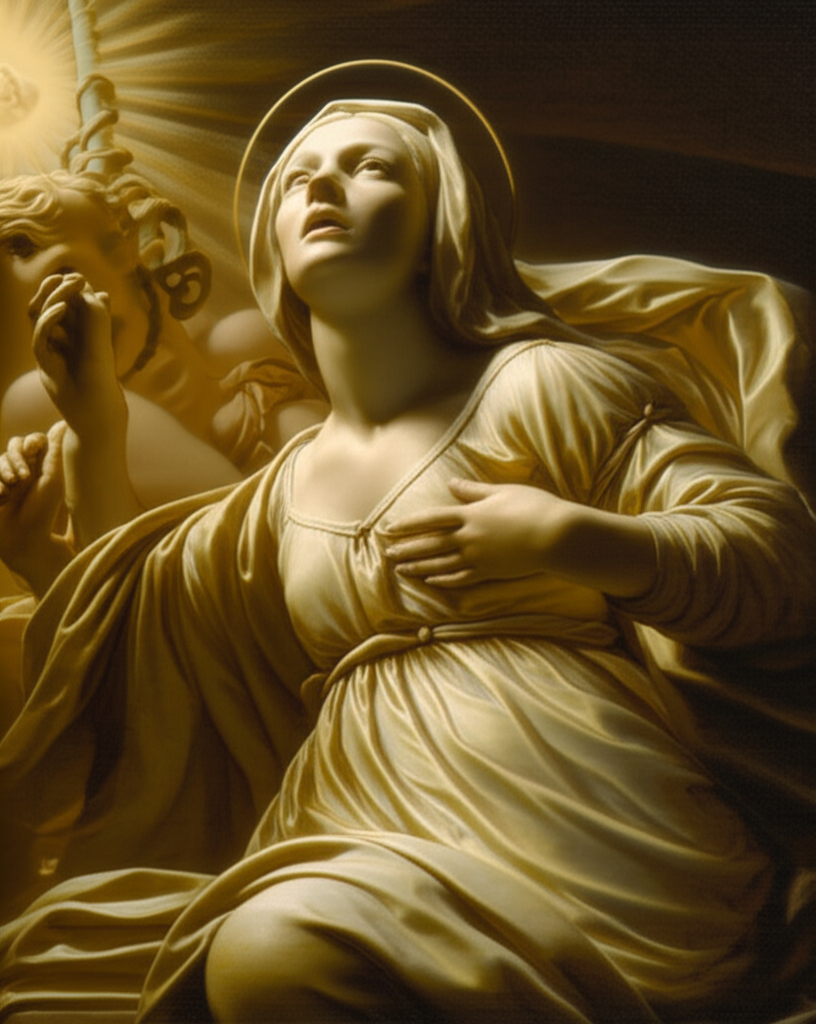
Ultimately, art's role in expressing emotion is not merely functional; it is foundational to what it means to be human. It allows us to articulate the inarticulable, share the unsharable, and connect on a level that transcends the superficial. Through art, our deepest feelings find a voice, a form, and a resonance that echoes across time and culture, perpetually reminding us of our shared humanity.
📹 Related Video: ARISTOTLE ON: The Nicomachean Ethics
Video by: The School of Life
💡 Want different videos? Search YouTube for: ""philosophy of art and emotion explained", "Aristotle Poetics catharsis analysis""