

The Enduring Role of Art in Expressing Emotion
Art, in its myriad forms, serves as a profound and often indispensable medium for the expression of human emotion. From the ancient Greek tragedies to the abstract canvases of the modern era, the Role of Art has consistently been to articulate the ineffable, offering a unique conduit through which artists convey their deepest feelings and audiences encounter a resonance with their own. It is a dialogue that transcends mere words, revealing the complexities of the human spirit.
Philosophical Foundations: Art, Emotion, and the Great Thinkers
The relationship between Art and Emotion has been a cornerstone of philosophical inquiry since antiquity. The foundational texts within the Great Books of the Western World offer crucial insights into this enduring connection, shaping our understanding of art's fundamental Role.
-
Plato's Cautionary View: In his seminal work, The Republic, Plato viewed Art primarily as mimesis, an imitation of reality. While acknowledging its power, he expressed concern that art, particularly poetry and drama, could stir irrational emotions and undermine the logical faculties necessary for a virtuous society. He feared that the vivid expression of sorrow, joy, or passion on stage might encourage citizens to indulge these feelings in their own lives, rather than temper them with reason. Thus, for Plato, the Role of Art in expressing emotion was a double-edged sword, capable of both captivating and corrupting.
-
Aristotle's Theory of Catharsis: Contrasting with his teacher, Aristotle, in his Poetics, offered a more nuanced and positive interpretation. He argued that tragedy, through its depiction of characters experiencing fear and pity, served a vital Role in the emotional health of the audience. This process, known as catharsis, involved a purging or purification of these intense emotions. The expression of suffering on stage allowed the audience to experience these feelings vicariously, leading to a sense of emotional release and clarity, rather than mere agitation. For Aristotle, Art provided a controlled and beneficial outlet for human emotion.
These ancient perspectives laid the groundwork for centuries of debate, establishing Art's inherent connection to human feelings and its capacity to evoke powerful responses.
Mechanisms of Emotional Expression Across Artistic Disciplines
The methods by which Art conveys emotion are as diverse as the art forms themselves. Each discipline employs its unique language to articulate feelings that often defy verbal description.
| Art Form | Primary Expressive Elements | Emotional Impact Examples |
|---|---|---|
| Visual Arts | Color, Line, Form, Composition, Texture | Joy, Melancholy, Anxiety, Serenity, Anger, Awe |
| Music | Melody, Harmony, Rhythm, Tempo, Dynamics | Excitement, Sadness, Calm, Tension, Hope, Despair |
| Literature | Narrative, Metaphor, Imagery, Character Arc | Empathy, Reflection, Fear, Love, Nostalgia, Disillusionment |
| Performance | Movement, Gesture, Voice, Facial Expression | Anguish, Ecstasy, Determination, Vulnerability, Power |
-
Visual Arts: A painter's choice of bold, contrasting colors might convey exuberance or conflict, while soft, muted tones often evoke serenity or melancholy. The jagged lines of an expressionist piece can mirror internal turmoil, whereas a balanced composition might suggest peace. The expression of emotion here is immediate and visceral.
-
Music: Perhaps the most direct conduit to emotion, music bypasses intellectual filters. A soaring melody can inspire hope, a dissonant chord sequence can create tension, and a slow tempo can induce introspection or sadness. The Role of music in expressing emotion is almost primal, speaking directly to the heart.
-
Literature: Through narrative, character development, and poetic language, literature invites readers into worlds of complex emotion. A well-crafted metaphor can encapsulate a feeling more profoundly than a literal description, fostering empathy and understanding. The expression of a character's internal struggle becomes a mirror for the reader's own experiences.
-
Performance Arts: Dance, theatre, and film use the human body and voice as primary instruments of emotional expression. A dancer's fluid movements can convey grace and joy, while a constricted posture might signify fear. An actor's nuanced vocal inflection can reveal layers of hidden emotion.
The Unique Power of Art in Communicating Emotion
What makes Art's Role in expressing emotion so unique and powerful?
- Beyond Verbal Language: Art can articulate feelings that are too complex, subtle, or profound for words. It captures the ineffable, the pre-verbal, and the deeply subconscious aspects of our emotional lives.
- Ambiguity and Multiplicity: Unlike a direct statement, Art often allows for multiple interpretations. An artwork can hold various emotional meanings simultaneously, resonating differently with each individual viewer based on their own experiences and internal states. This ambiguity enriches the emotional dialogue.
- Fostering Empathy and Connection: By witnessing or experiencing an artist's expression of emotion, audiences can connect with universal human experiences. This shared emotional landscape can foster empathy, helping us understand others and feel less alone in our own struggles and joys.
- Transformative Experience: Engaging with Art that powerfully expresses emotion can be a transformative experience, offering new perspectives, catharsis, or simply a deeper appreciation for the breadth of human feeling.
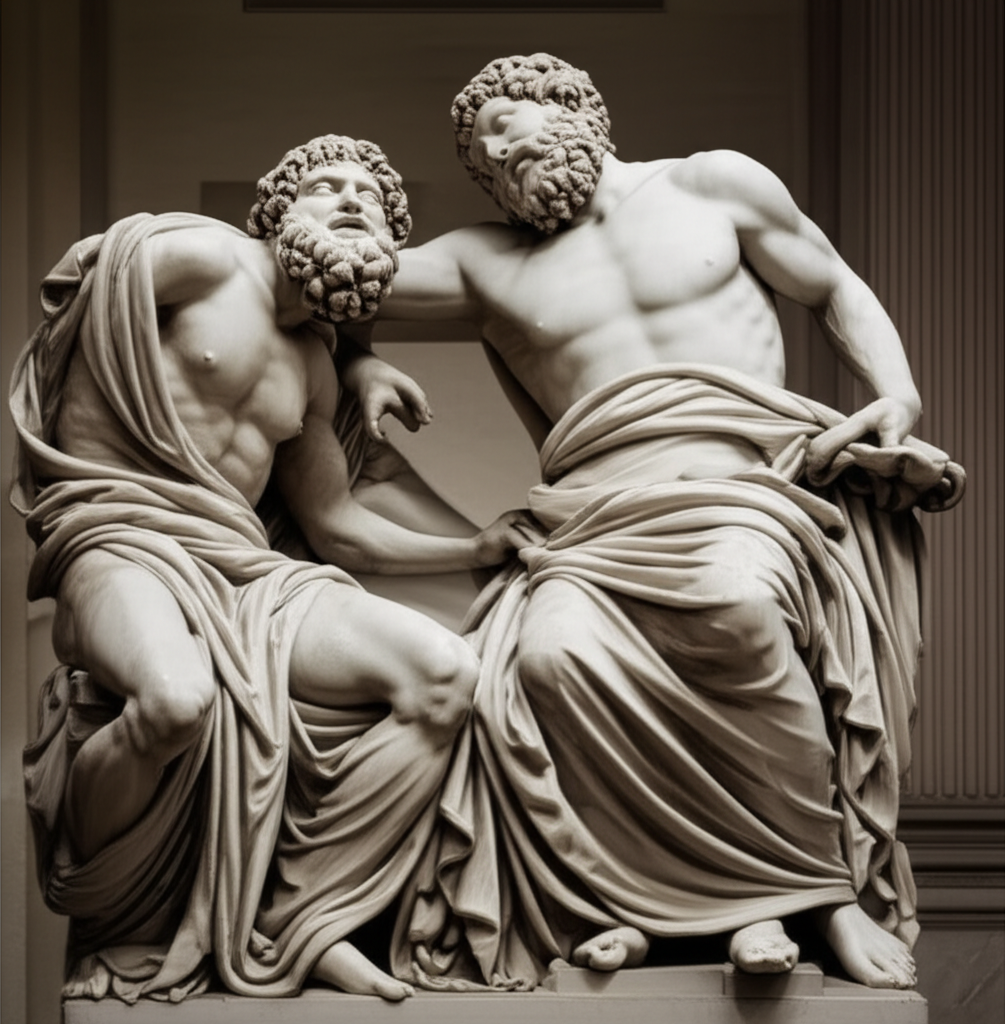
Receiving Emotion: The Audience's Role
The Role of Art in expressing emotion is not a one-way street. The audience plays an equally vital part in the completion of the emotional circuit. When we engage with a piece of Art, we are not merely passive observers; we are active participants in a process of reception and interpretation.
- Resonance and Reflection: An artwork acts as a mirror, reflecting our own inner emotional states. The feelings expressed by the artist can resonate deeply within us, triggering memories, personal associations, and dormant emotions.
- Active Interpretation: We bring our own history, culture, and individual psychology to the experience, shaping our understanding and emotional response. This interactive Role means that the expression of emotion in Art is dynamically co-created between artist and audience.
- Emotional Journey: The experience of Art can take us on an emotional journey, moving us from one state to another, prompting introspection, or even inspiring action.
Conclusion: An Indispensable Human Endeavor
The Role of Art in expressing emotion is not merely an aesthetic concern but a fundamental aspect of human existence. From the philosophical inquiries of Plato and Aristotle to the countless masterpieces across history, Art has consistently served as an essential vehicle for understanding, communicating, and processing the vast spectrum of human feelings. It allows us to give form to the formless, to share our deepest selves, and to connect with others on a profoundly emotional level. In a world often constrained by logic and language, Art remains our most potent and enduring means of emotional expression, an indispensable testament to our capacity for feeling and sharing.
📹 Related Video: PLATO ON: The Allegory of the Cave
Video by: The School of Life
💡 Want different videos? Search YouTube for: ""Plato Aristotle art emotion philosophy""
📹 Related Video: KANT ON: What is Enlightenment?
Video by: The School of Life
💡 Want different videos? Search YouTube for: ""emotional expression in art history philosophical perspectives""