

The Resonance of the Soul: Art's Indispensable Role in Emotional Expression
Art, in its myriad forms, stands as a profound and often unparalleled medium for the expression and understanding of emotion. From ancient tragedies to modern abstract works, art plays a crucial role in externalizing our deepest feelings, facilitating catharsis, and fostering empathy, thereby enriching our collective human experience and providing unique insights into the inner landscape of the psyche. It is through the deliberate crafting of form, color, sound, and narrative that humanity finds a universal language for the otherwise ineffable turbulence and tranquility of the heart.
Introduction: The Silent Language of Feeling
The human experience is a tapestry woven with threads of joy, sorrow, fear, love, and countless subtle shades of emotion. Yet, articulating these inner states through mere words often proves inadequate. It is here that art steps forward, offering a conduit for that which resists verbalization. Throughout history, from the cave paintings of Lascaux to the symphonies of Beethoven, humanity has instinctively turned to creative expression as a means to convey, process, and share its emotional world. This fundamental connection reveals art not as a mere adornment of life, but as an essential mechanism for psychological and social well-being, a testament to its enduring role in our existence.
Art as a Vessel for the Ineffable
The very essence of art lies in its capacity to translate internal states into external forms. It allows the creator to imbue a canvas, a score, a sculpted figure, or a written narrative with the raw energy of their feelings, making them tangible and shareable.
Mimesis and the Mirror of the Soul
Ancient philosophers, notably Aristotle in his Poetics, recognized art as a form of mimesis, or imitation. While often interpreted as the imitation of external reality, this concept extends powerfully to the imitation of internal reality – the human emotion. A painter depicting a mournful face, a poet describing the pangs of longing, or a composer crafting a melancholic melody are all, in their own ways, holding a mirror to the soul. They are not merely showing us a feeling, but inviting us to experience its contours and depths. This act of mirroring allows both the artist to externalize and the audience to recognize and validate their own similar feelings.
The Cathartic Release
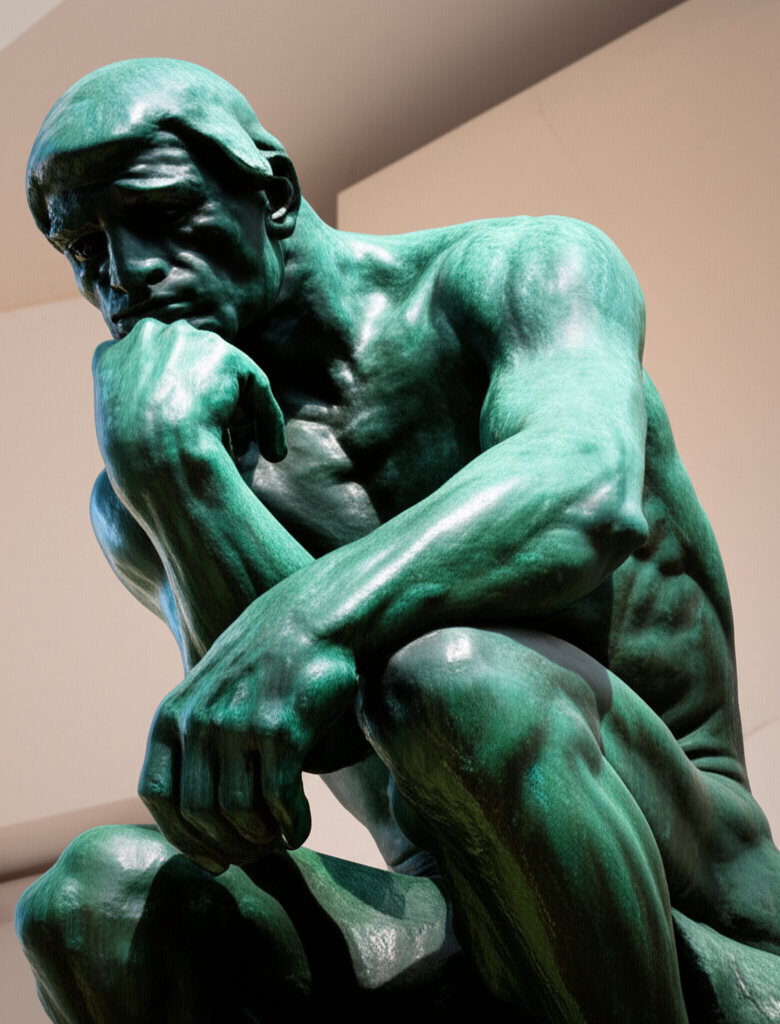
Perhaps one of the most celebrated roles of art in relation to emotion is its capacity for catharsis. Aristotle first articulated this concept in the context of tragedy, suggesting that witnessing dramatic portrayals of suffering could purge the audience of pity and fear, leaving them with a sense of emotional cleansing. This principle extends far beyond the theatrical stage. Engaging with a powerful piece of music, losing oneself in a poignant novel, or contemplating a stirring sculpture can provide a safe and structured outlet for bottled-up feelings. The expression inherent in the art piece allows for a sympathetic resonance in the viewer, offering a release that is both personal and profound.
The Communicative Power of Artistic Expression
Beyond personal catharsis, art serves as a vital bridge between individuals, fostering understanding and empathy through shared emotional experiences.
Bridging the Emotional Divide
Words, by their very nature, are often limited in their capacity to convey the full spectrum of emotion. They can describe, but rarely evoke with the same immediacy as art. A musical piece, for instance, can bypass intellectual filters and speak directly to the heart, conveying sorrow or joy with an intensity that transcends linguistic barriers. This direct line of communication is crucial for fostering empathy, allowing individuals from diverse backgrounds to connect on a fundamental human level through shared emotional responses to an artistic work.
The Aesthetic Experience and Empathy
The aesthetic experience, as explored by philosophers like Immanuel Kant, involves a "disinterested pleasure" that, while not directly about personal gain, profoundly affects our sensibilities. When we engage with art that powerfully expresses emotion, we are invited to step into another's shoes, to feel what they might have felt, or to recognize a universal sentiment within ourselves. This act of imaginative participation strengthens our capacity for empathy, making us more attuned to the emotional lives of others. The role of art here is not merely to show, but to make us feel, thereby expanding our emotional intelligence.
Philosophical Echoes: Voices from the Great Books
The intricate relationship between art and emotion has been a recurring theme throughout the history of philosophy, with thinkers from the Great Books of the Western World offering diverse perspectives.
Plato's Caution and Aristotle's Insight
Plato, in his Republic, viewed art with a degree of suspicion, particularly its power to stir emotion. He worried that dramatic expression could undermine rational control and lead to moral corruption, advocating for censorship to maintain societal order. His concern stemmed from a deep understanding of art's persuasive force. Conversely, Aristotle, as mentioned, saw the role of art (specifically tragedy) as beneficial, providing a cathartic release of potentially disruptive emotions, ultimately promoting psychological balance rather than disorder.
Kant and the Subjectivity of Feeling
Later, Immanuel Kant, in his Critique of Judgment, delved into the nature of aesthetic judgment and the feelings it evokes. He argued that our appreciation of beauty, while subjective, also contains a universal claim, suggesting a common ground in our emotional responses to certain forms. For Kant, the pleasure derived from art is not merely sensory but stems from a harmonious play of our cognitive faculties, leading to a unique kind of emotional resonance that is both personal and universally communicable.
Schopenhauer and the Will
Arthur Schopenhauer, deeply influenced by Eastern thought, posited that art offers a temporary escape from the suffering inherent in the "Will" – the blind, striving force behind existence. By contemplating beautiful objects or engaging with artistic expression, we momentarily transcend our individual desires and become pure, disinterested observers, finding solace in the objective contemplation of universal forms. Here, art's role is to provide a profound, albeit temporary, emotional respite from the burdens of life.
Conclusion: A Perennial Human Need
The role of art in expressing emotion is not merely incidental; it is foundational to the human condition. From the earliest human marks on cave walls to the complex digital installations of today, art has consistently served as an indispensable conduit for our deepest feelings. It allows us to externalize, process, share, and understand the vast spectrum of human emotion, offering catharsis to the individual and fostering empathy within communities. As we navigate the complexities of modern life, the need for artistic expression remains as vital as ever, reminding us of our shared humanity and the profound depths of our inner worlds.
📹 Related Video: ARISTOTLE ON: The Nicomachean Ethics
Video by: The School of Life
💡 Want different videos? Search YouTube for: ""Aristotle Poetics Catharsis Explained""
📹 Related Video: PLATO ON: The Allegory of the Cave
Video by: The School of Life
💡 Want different videos? Search YouTube for: ""Plato Art and Emotion Philosophy""