

The Essential Weave: Unpacking the Philosophical and Ecological Role of Animals in Our World
From the humblest insect to the mightiest whale, animals are not merely inhabitants of our planet but active, indispensable architects and maintainers of its delicate balance. Philosophically, their role has been debated for millennia, shifting from instruments for human use to complex beings with intrinsic value. Ecologically, their functions are myriad, deeply integrated into the very fabric of Nature, influencing nutrient cycles, energy flow, and the physical shape of the World. This article explores the profound importance of animals, both as conceptual entities within our philosophical understanding and as vital cogs in the intricate machinery of Earth's ecosystems.
Ancient Echoes: The Philosophical Lens on the Animal's Role
For centuries, philosophers have grappled with the place of the animal in the grand scheme of existence. Drawing from the Great Books of the Western World, we find foundational perspectives that shape our understanding. Aristotle, for instance, in works like History of Animals and Parts of Animals, meticulously observed and categorized, often viewing creatures teleologically – existing for a purpose, often in relation to a hierarchy culminating in humans. His concept of the scala naturae, or "ladder of nature," albeit often misinterpreted, suggested an ordered World where each being has its specific role and place.
Plato, too, in dialogues such as Timaeus, described a cosmos crafted with divine intention, where every element, including living beings, contributes to the harmonious whole. While these ancient views often placed humans at the apex, they nonetheless acknowledged an inherent order and the functional significance of all life within Nature. Later thinkers, from Descartes' mechanistic view of animals to Darwin's revolutionary insights on evolution, have continued to refine (or challenge) these foundational ideas, forcing us to constantly re-evaluate the true role of non-human life.
Nature's Architects: The Multifaceted Role of Animals in the Ecosystem
Beyond philosophical contemplation, the tangible role of animals in the World's ecosystems is undeniable and critical. They are the dynamic forces that shape landscapes, regulate populations, and facilitate the flow of life-sustaining resources. Without their continuous activity, the intricate web of Nature would unravel, leading to catastrophic consequences for all living things, including humanity.
Here are some key ecological roles animals fulfill:
- Primary Consumers (Herbivores): Animals like deer, rabbits, and countless insects convert plant matter into energy, forming the crucial link between producers (plants) and higher trophic levels. They control plant growth and distribute nutrients.
- Secondary and Tertiary Consumers (Carnivores & Omnivores): Predators such as wolves, lions, and birds of prey regulate herbivore populations, preventing overgrazing and promoting healthier ecosystems. Scavengers like vultures and hyenas clean the World by consuming carrion, preventing disease spread.
- Decomposers & Detritivores: Earthworms, millipedes, and various insects break down dead organic material, returning vital nutrients to the soil, which is essential for plant growth and the continuation of the nutrient cycle.
- Pollinators: Bees, butterflies, bats, and other animals are responsible for pollinating a vast majority of the World's flowering plants, including many of our food crops. Without them, plant reproduction and biodiversity would plummet.
- Seed Dispersers: Birds and mammals consume fruits and then disperse seeds through their droppings, often far from the parent plant, aiding in plant migration and forest regeneration.
- Ecosystem Engineers: Animals like beavers (building dams), prairie dogs (creating elaborate burrow systems), and corals (forming reefs) profoundly modify their habitats, creating new niches and influencing water flow and soil composition.
These roles are not isolated; they are deeply interconnected, forming a complex, self-regulating system. A change in one animal population or its function can have cascading effects throughout the entire ecosystem, demonstrating the profound interdependence that defines Nature.
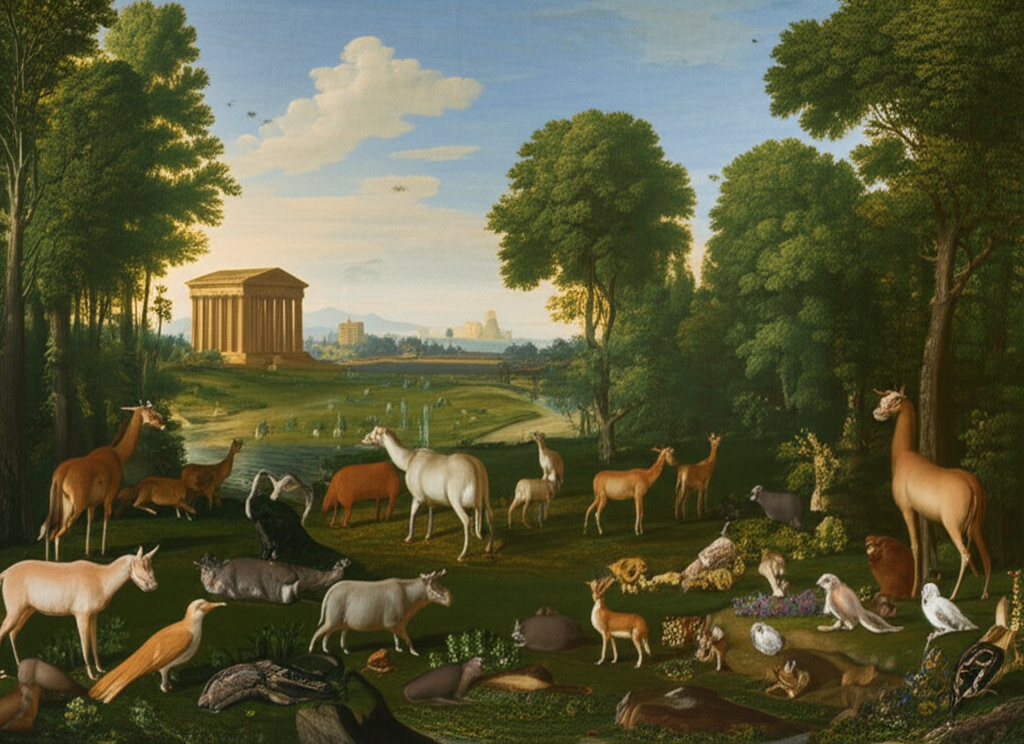
The World as a Symphony: The Balance and Interdependence
To conceive of the World as a living organism, as some ancient philosophers did, helps us appreciate the synergistic relationship between its parts. Each animal species plays a unique instrument in Nature's grand symphony. The removal of even one instrument, or its playing out of tune, can disrupt the entire composition. For instance, the reintroduction of wolves to Yellowstone National Park dramatically altered the river systems, vegetation patterns, and even the behavior of other animals, illustrating how a single species can exert a powerful, positive role across an entire landscape. This dynamic interplay underscores the fragility and resilience of natural systems.
Our Philosophical Obligation: Recognizing the Role and Responsibility
Understanding the intricate role of animals in the ecosystem compels us to consider our own ethical responsibilities. If, as Aristotle suggested, everything has a purpose, then recognizing the purpose and function of animals elevates our duty beyond mere utility. It calls for a deeper respect for their intrinsic value and their contribution to the flourishing of the World.
This recognition is not just about conservation; it's about acknowledging our place within Nature, not above it. It challenges us to move beyond anthropocentric views and embrace a more holistic understanding of our shared planetary existence. Our actions, whether through habitat destruction, climate change, or unsustainable resource use, directly impact these vital roles, threatening the very stability of the ecosystems that sustain us. To preserve the health and beauty of our World is, therefore, to safeguard the myriad roles played by its animal inhabitants.
📹 Related Video: ARISTOTLE ON: The Nicomachean Ethics
Video by: The School of Life
💡 Want different videos? Search YouTube for: ""Aristotle's Philosophy of Nature and Animals""
📹 Related Video: KANT ON: What is Enlightenment?
Video by: The School of Life
💡 Want different videos? Search YouTube for: ""The Importance of Biodiversity and Ecosystem Services""