

The Celestial Architects: Unpacking the Role of Angels in Theological Hierarchy
A Divine Blueprint: The Angelic Imperative
In the grand tapestry of theological thought, angels occupy a uniquely profound and often misunderstood position. Far from mere ethereal whispers or symbolic representations, their role is meticulously defined within the frameworks of classical philosophy and theology, acting as integral components of the divine order. This article delves into the multifaceted functions of angels, exploring their distinct form, their place within hierarchical structures, and their enduring significance as depicted across the foundational texts of Western thought. From their essence as pure intellect to their duties as divine messengers and guardians, understanding the angelic presence is crucial for grasping the intricate architecture of the cosmos as conceived by some of history's greatest thinkers.
The Essence of Angels: Pure Form and Intellect
To comprehend the role of angels, one must first grapple with their fundamental nature, their very form. Unlike humanity, which is a composite of body and soul, angels are typically understood as purely spiritual, incorporeal beings. This distinction is paramount in theology.
- Immateriality: Angels possess no physical body. They are pure spirits, unburdened by the limitations of matter, existing outside the constraints of space and time as humans experience them. This immateriality grants them immediate apprehension of truth, unmediated by sensory experience.
- Intellect and Will: Their essence is intellect and will. They are rational beings, endowed with perfect knowledge appropriate to their nature, and a free will. This pure intellectual form allows them to grasp universal truths directly, without the need for discursive reasoning or empirical observation that characterizes human cognition.
- Individuation: Though incorporeal, each angel is considered a distinct species unto itself, a complete and perfect form. This concept, explored by Aquinas drawing heavily from Aristotelian metaphysics, posits that their individuality is not derived from matter (as with humans of the same species) but from their unique spiritual essence.
This pure, intellectual form sets the stage for their unique role within the divine economy, distinguishing them sharply from both God (who is Being Itself) and humanity (who are embodied spirits).
The Hierarchical Order: Echoes of Divine Structure
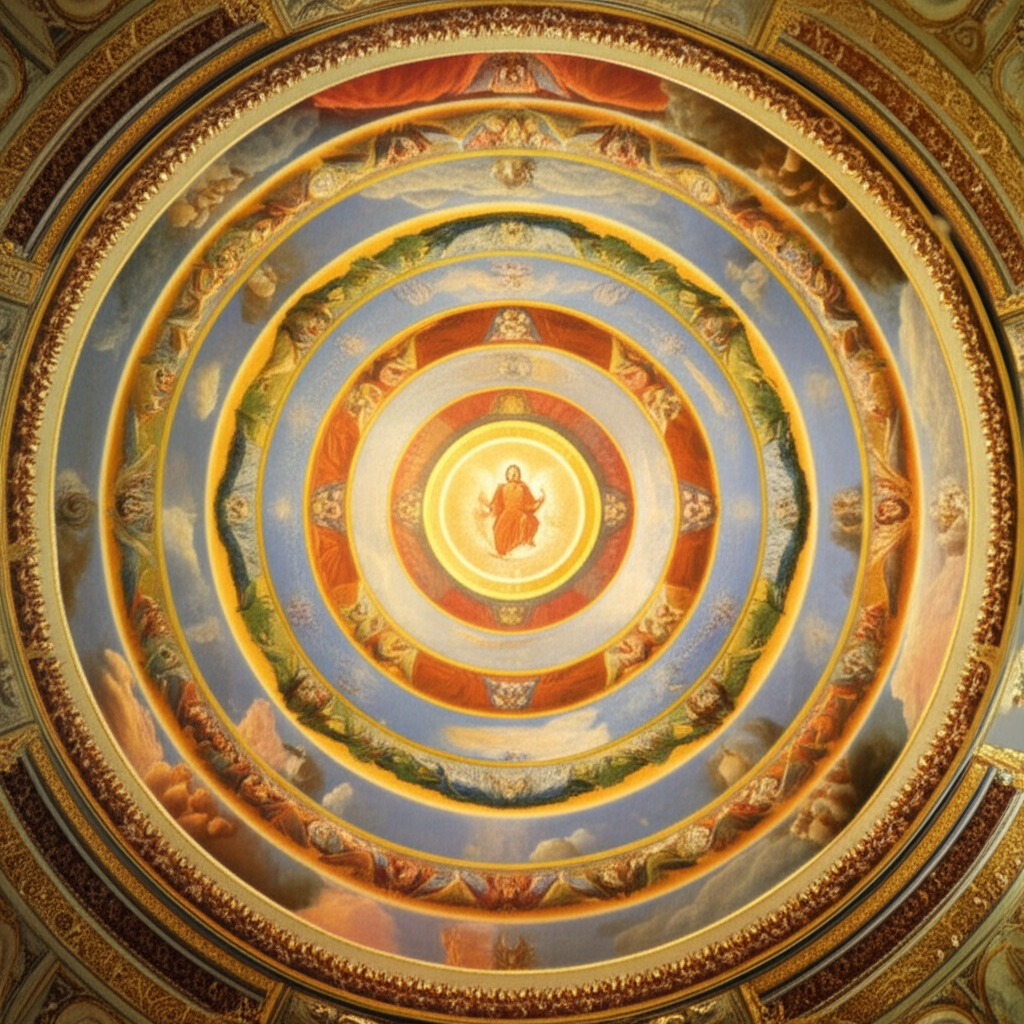
The concept of angelic hierarchy is a cornerstone of much classical theology, most notably articulated by Dionysius the Areopagite and later elaborated by Thomas Aquinas. This structured order is not merely an administrative arrangement but reflects the very order and beauty of God's creation, with each rank fulfilling a specific role.
The Celestial Spheres: A Tripartite Division
The traditional angelic hierarchy is often divided into three main spheres, or choirs, each with three orders:
| Sphere (Hierarchy) | Order (Choir) | Primary Role/Function |
|---|---|---|
| First Hierarchy | Seraphim | Adoration, pure love, direct contemplation of God |
| (Closest to God) | Cherubim | Knowledge, wisdom, guardianship of divine light |
| Thrones | Justice, divine judgment, bearers of God's majesty | |
| Second Hierarchy | Dominions | Regulation of lower angels, governance of the cosmos |
| (Governors) | Virtues | Miracles, strength, execution of divine commands |
| Powers | Warding off evil, combating demonic forces | |
| Third Hierarchy | Principalities | Guardians of nations and cities, leadership |
| (Ministers) | Archangels | Messengers of great importance, leaders of angels |
| Angels | Direct communication with humanity, personal guardians |
This intricate structure underscores a fundamental principle: the divine order is manifest through graded participation. Angels in higher choirs receive more direct illumination from God and, in turn, enlighten those below them, thereby facilitating the flow of divine grace and knowledge throughout creation. Their role is thus both passive (receiving) and active (transmitting).
The Multifaceted Role of Angels in Creation and Providence
Beyond their inherent nature and hierarchical position, angels are assigned critical functions that impact the cosmos and humanity. Their role is dynamic and essential for the unfolding of God's plan.
Messengers and Ministers of the Divine Will
Perhaps the most recognized role of angels is that of messengers. The very word "angel" (from the Greek angelos) means messenger. They convey God's will, prophecies, and warnings to humanity, as seen throughout sacred texts.
- Divine Proclamation: Announcing births (e.g., Gabriel to Mary), delivering divine laws, or revealing future events.
- Execution of Commands: They are agents of divine providence, carrying out God's decrees in the natural world and among nations, often beyond human comprehension. Their actions are not of their own initiative but a perfect reflection of God's command.
Guardians and Guides
Angels also serve as protectors and guides, a role that highlights their benevolent interaction with the created order.
- Guardian Angels: A prevalent belief across many traditions is that each individual is assigned a guardian angel, tasked with guiding, protecting, and interceding on their behalf. This intimate role underscores God's personal care for each soul.
- Guardians of Nations and Institutions: Beyond individuals, certain angels are believed to oversee nations, churches, and other significant human endeavors, influencing their destinies according to divine will.
Contemplation and Adoration
While their active role in the world is significant, the primary and most noble role of angels, particularly those in the higher choirs, is the perpetual contemplation and adoration of God. Their existence is a constant hymn of praise, reflecting God's glory and beauty. This contemplative form of their being is their ultimate purpose, from which all other functions flow.
The Shadow of Free Will: Fallen Angels
No discussion of the angelic role would be complete without acknowledging the concept of fallen angels. The very possibility of angels choosing against God, as depicted in the narratives of Lucifer and other rebellious spirits, underscores their possession of free will. Their fall, a definitive act of intellectual pride and disobedience, profoundly shaped theological understanding of evil and the ongoing spiritual battle. Even in their fallen state, their nature remains angelic, though their role shifts from divine service to opposition.
Conclusion: The Enduring Significance of the Angelic Role
The role of angels in theology is far more than a quaint religious embellishment; it is a sophisticated philosophical construct that illuminates the very nature of creation, divine providence, and the relationship between God, spirits, and humanity. From their pure intellectual form to their meticulously defined hierarchical duties, angels serve as vital conduits of divine will, guardians of order, and perpetual adorers of the Creator. Their existence, as explored in the Great Books of the Western World, provides a profound lens through which to understand the cosmos as an intricately ordered and divinely governed reality, where every being, from the highest Seraph to the lowliest human, has a distinct and meaningful place within God's grand design.
📹 Related Video: ARISTOTLE ON: The Nicomachean Ethics
Video by: The School of Life
💡 Want different videos? Search YouTube for: ""Aquinas Angelology Explained" or "Dionysius the Areopagite Celestial Hierarchy""