

The Eloquence of Conflict: Navigating the Rhetoric of War and Peace
The words we choose, the narratives we construct, and the very language we employ hold immense power, particularly when discussing the profound human experiences of War and Peace. This article delves into the intricate dance of Rhetoric in these critical domains, exploring how Government and other actors shape public perception, justify actions, and ultimately influence the course of history through carefully crafted discourse. From the battle cries of antiquity to the diplomatic communiqués of today, understanding the underlying rhetorical strategies is crucial for any thoughtful engagement with global affairs.
The Philosophical Weight of Language
At its core, Rhetoric is not merely about persuasion; it is about the construction of reality. As Aristotle meticulously outlined in his Rhetoric, it is the art of discovering in any given case the available means of persuasion. But beyond mere technique, philosophical inquiry reveals that language doesn't just describe the world; it actively constitutes it. When we speak of War and Peace, we are not dealing with static concepts, but with dynamic, evolving realities profoundly shaped by the words used to define, defend, or denounce them.
Consider the profound insights found within the Great Books of the Western World. From Plato's dialogues exploring justice and the ideal state, to Thucydides' unflinching account of the Peloponnesian War – particularly the chilling Melian Dialogue – we see how arguments are framed, how adversaries are characterized, and how the very justifications for conflict or accord are meticulously woven through language.
The Rhetoric of War: Mobilizing Minds
The path to war is often paved with compelling narratives, designed to galvanize populations and legitimize violence. The Government, as a primary orchestrator of national will, masterfully employs Rhetoric to frame conflicts in ways that resonate with deeply held values.
Common Rhetorical Devices in War:
- Euphemisms and Obfuscation: Terms like "collateral damage" instead of civilian deaths, "pre-emptive strike" for invasion, or "enhanced interrogation techniques" for torture, serve to sanitize the brutal realities of war, making them more palatable to the public conscience.
- Dehumanization of the Enemy: Portraying the 'other' as less than human, as barbarians, terrorists, or a faceless threat, reduces empathy and makes violence against them seem justifiable, even necessary.
- Appeals to Patriotism and Fear: Invoking national pride, duty, and the existential threat posed by an enemy are powerful tools to rally support. The notion of defending "freedom" or "our way of life" is a perennial favorite.
- Just War Theory Framing: Even when engaging in morally questionable actions, Government often attempts to align its rhetoric with principles of just war, emphasizing self-defense, proportionality, and legitimate authority, as discussed by thinkers like Augustine in City of God.
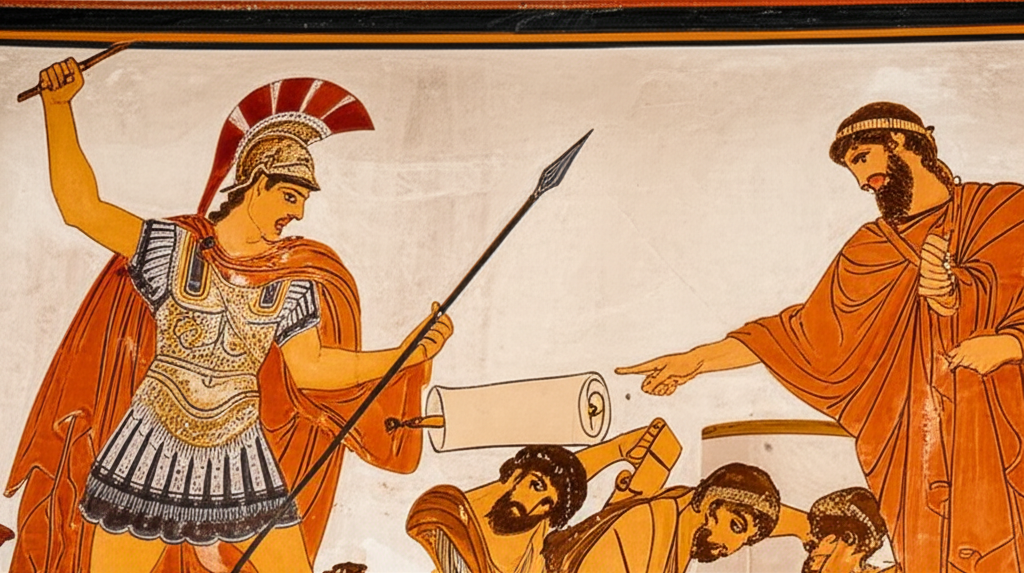
The Rhetoric of Peace: Building Bridges of Understanding
While the drumbeat of war often finds a ready echo in the human heart, the advocacy for Peace requires a different, often more nuanced, rhetorical approach. It demands patience, empathy, and the construction of shared understanding rather than division.
Strategies for the Rhetoric of Peace:
- Emphasis on Shared Humanity: Countering dehumanization by highlighting common aspirations, vulnerabilities, and the universal desire for security and well-being.
- Dialogue and Diplomacy: Framing negotiation not as weakness, but as a strength, a testament to reason and the pursuit of mutually beneficial outcomes. Here, the language of compromise and reconciliation is paramount.
- Long-Term Vision: Articulating the sustainable benefits of peace – economic prosperity, cultural exchange, and human flourishing – in contrast to the destructive cycles of conflict.
- Justice and Reconciliation: Addressing past grievances and framing peace as a process that includes restorative justice, forgiveness, and the rebuilding of trust. Immanuel Kant's Perpetual Peace offers a philosophical blueprint for such an enduring peace, predicated on rational principles and international cooperation.
Government, Language, and the Ethical Imperative
The unique position of Government in shaping national discourse places a heavy ethical burden on its use of Rhetoric. The language employed by leaders can either inflame passions, leading to devastating conflict, or foster understanding, paving the way for lasting Peace.
| Rhetorical Goal | War-Oriented Language Examples | Peace-Oriented Language Examples |
|---|---|---|
| Defining the Other | "Enemy combatant," "insurgent," "threat" | "Neighbor," "partner," "stakeholder" |
| Justifying Action | "National security," "freedom," "decisive action" | "Dialogue," "cooperation," "mutual benefit" |
| Framing Outcomes | "Victory," "eradication," "domination" | "Resolution," "reconciliation," "stability" |
The critical reader, informed by philosophical inquiry, must constantly question the rhetoric presented by those in power. Is the language designed to clarify or obscure? To unite or divide? To empower or control?
Conclusion: A Call for Critical Engagement
The Rhetoric of War and Peace is a continuous, dynamic interplay of language, power, and human aspiration. From the ancient Greek agora to modern digital platforms, the way we talk about conflict and harmony profoundly impacts our reality. As citizens of a complex world, our responsibility extends beyond merely consuming information; it demands a rigorous, philosophical engagement with the rhetoric that seeks to define our understanding of War and Peace. By dissecting the language of Government and other influential voices, we can better navigate the currents of history and advocate for a future shaped by thoughtful discourse rather than uncritical assent.
📹 Related Video: ARISTOTLE ON: The Nicomachean Ethics
Video by: The School of Life
💡 Want different videos? Search YouTube for: ""Thucydides Melian Dialogue analysis" for a philosophical breakdown of rhetoric in conflict."
📹 Related Video: KANT ON: What is Enlightenment?
Video by: The School of Life
💡 Want different videos? Search YouTube for: ""Kant Perpetual Peace philosophy explained" for insights into the philosophical foundations of lasting peace."