

The Eloquence of Conflict and Concord: Deconstructing the Rhetoric of War and Peace
Summary
In the complex tapestry of human history, few phenomena are as profoundly shaped by language as War and Peace. This article delves into how rhetoric – the art of persuasion – is wielded by governments and individuals alike to define, justify, and navigate these ultimate states of human affairs. From ancient orators inciting armies to modern politicians forging treaties, the careful construction and deployment of words hold immense power, capable of igniting conflict or fostering lasting harmony. We will explore the philosophical underpinnings of this linguistic power, drawing insights from the Great Books of the Western World to understand how rhetoric not only describes but actively creates our realities of war and peace.
The Unseen Hand: Rhetoric's Enduring Influence
From the moment a declaration of war is penned to the final signing of a peace treaty, rhetoric is the unseen hand guiding the narrative. It is the very fabric through which intentions are communicated, alliances are forged, and public opinion is swayed. As students of philosophy, we are compelled to consider not just what is said, but how it is said, and the profound implications of that linguistic choice.
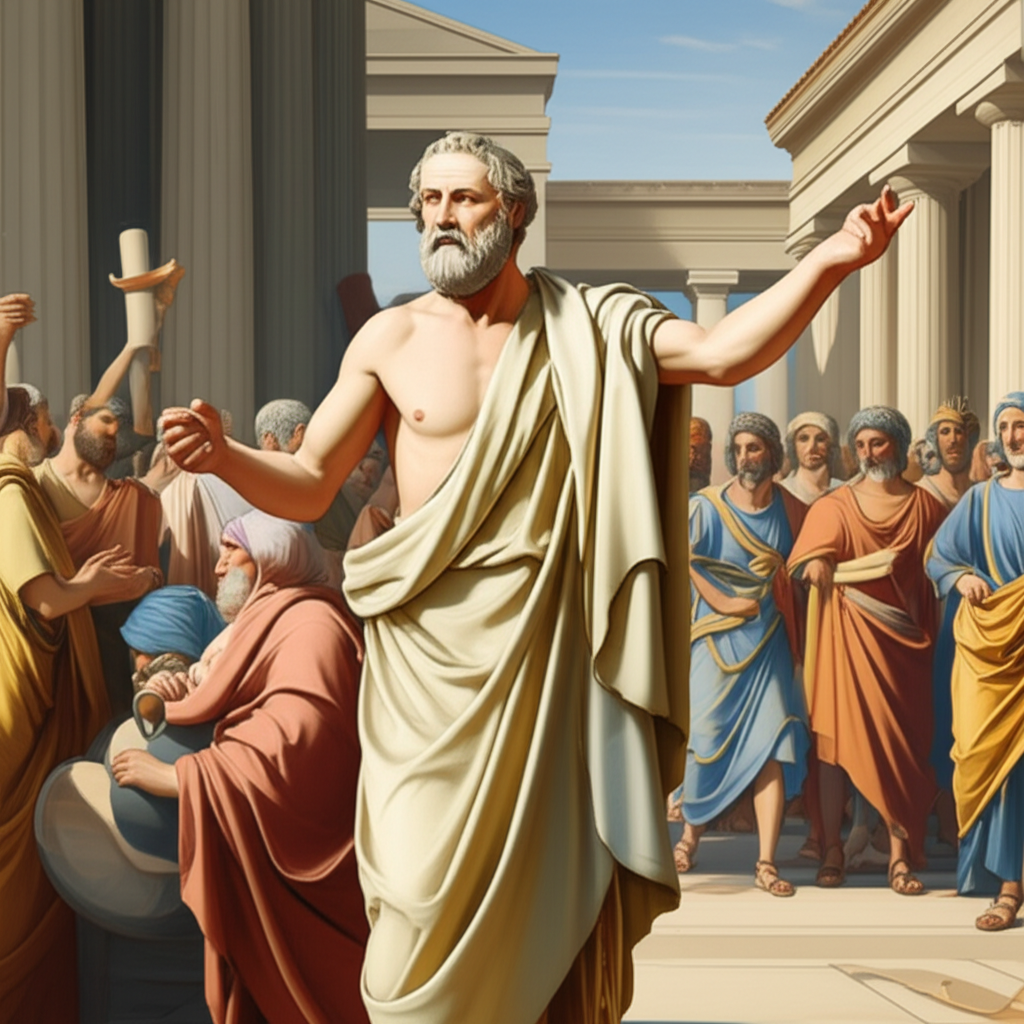
The Great Books of the Western World offer a timeless lens through which to examine this dynamic. Think of the compelling speeches within Thucydides' History of the Peloponnesian War, where the power of argument dictates the fate of cities, or Plato's nuanced critique of rhetoric in Gorgias, questioning whether it serves truth or mere flattery. These ancient insights remind us that the struggle over meaning is often a prelude to, or a substitute for, the struggle over territory.
Language as a Weapon, Language as a Bridge
Language is never neutral, especially when the stakes are as high as War and Peace. It can be a precision instrument, carving out distinctions and clarifying intentions, or a blunt weapon, used to obscure, mislead, and demonize. The very words we choose can frame an enemy as an existential threat or a negotiating partner.
- Inciting Conflict: Rhetoric is often employed to dehumanize the 'other,' to amplify perceived grievances, and to rally a populace behind a cause that may otherwise seem unjust. This involves the strategic use of metaphors, appeals to emotion, and the construction of compelling narratives of victimhood or righteous indignation.
- Forging Peace: Conversely, the path to peace necessitates a different kind of rhetoric – one focused on empathy, common ground, mutual respect, and the promise of a shared future. It requires the careful dismantling of hostile narratives and the construction of new ones centered on cooperation and reconciliation.
The Government's Narrative: Shaping Public Opinion
In matters of War and Peace, the role of government in shaping the public discourse is paramount. Leaders, diplomats, and state apparatuses meticulously craft narratives that define the 'us' and 'them,' justify actions, and garner support for their policies. This is where the art of rhetoric truly becomes a tool of statecraft.
Consider how a declaration of war is framed: Is it a defensive act? A humanitarian intervention? A pre-emptive strike against an imminent threat? Each choice of language carries immense weight, influencing domestic support, international alliances, and even the morale of troops.
Common Rhetorical Strategies Employed by Governments:
| Strategy | Application in War | Application in Peace |
|---|---|---|
| Demonization | Portraying the enemy as evil, irrational, or subhuman. | Framing past adversaries as potential partners; acknowledging shared humanity. |
| Appeals to Patriotism | Invoking national pride, duty, and sacrifice for the homeland. | Highlighting national interests that align with peaceful coexistence or international cooperation. |
| Framing | Presenting conflict as unavoidable, necessary, or a 'last resort.' | Presenting peace as the only rational, sustainable, or morally superior option. |
| Euphemism | Using softer terms for harsh realities (e.g., "collateral damage" for civilian deaths). | Using diplomatic language to de-escalate tensions or bridge ideological divides. |
| Ethos (Credibility) | Leaders emphasizing their authority, experience, or moral standing. | Diplomats building trust through consistent, transparent communication. |
Philosophical Reflections on Rhetoric and Society
Philosophers throughout history have grappled with the ethical and practical implications of rhetoric, particularly in the context of government and societal well-being.
- Plato's Critique: In Gorgias, Plato famously presents Socrates' skepticism of rhetoric, viewing it often as a mere knack for persuasion, akin to cookery or cosmetic arts, rather than a genuine art that aims at truth or the good. For Plato, true governance should be guided by philosophical wisdom, not the fleeting appeals of rhetoric. Yet, even Plato's dialogues themselves are masterpieces of rhetorical persuasion, showcasing the inescapable power of language.
- Aristotle's Pragmatism: Aristotle, in his Rhetoric, offers a more systematic and less condemnatory view. He defines rhetoric as "the faculty of discovering in any particular case all of the available means of persuasion." For Aristotle, rhetoric is a neutral tool, capable of being used for good or ill. He meticulously categorizes its elements (ethos, pathos, logos) and acknowledges its crucial role in political life, law, and public discourse – all essential components of a functioning government and debates over War and Peace.
- Thucydides' Realism: The speeches embedded in History of the Peloponnesian War are prime examples of rhetoric in action during times of conflict. The Melian Dialogue, for instance, starkly illustrates the rhetoric of power, where the strong do what they can and the weak suffer what they must, stripping away moral justifications to reveal raw geopolitical realities. Pericles' Funeral Oration, conversely, uses rhetoric to inspire and unify, even in the face of immense loss.
- Kant's Idealism: Immanuel Kant, in Perpetual Peace, envisions a world governed by reason and international law, where war is abolished. While not directly focusing on rhetoric, his work implicitly calls for a discourse that prioritizes universal moral principles and rational argumentation over nationalistic fervor or emotional appeals – a higher form of rhetoric aimed at global harmony.
The Modern Echoes: A Call for Critical Engagement
In our contemporary world, with its instantaneous global communication and relentless media cycles, the rhetoric of War and Peace is more pervasive and complex than ever. Governments, non-state actors, and even individuals on social media all contribute to the narrative, making it imperative for citizens to engage critically with the language they encounter.
Understanding the mechanisms of rhetoric empowers us to discern propaganda from genuine information, to question assumptions, and to demand accountability from those who wield the immense power of persuasion. It allows us to move beyond mere emotional reactions to a more reasoned and informed perspective on matters of life, death, and global stability.
Conclusion
The relationship between rhetoric, government, and the ultimate choices of War and Peace is ancient, complex, and ever-present. From the philosophical inquiries of the Great Books of the Western World to the daily headlines, language is the primary medium through which these profound human experiences are understood, shaped, and enacted. As Emily Fletcher, I urge us all to become more discerning listeners, more thoughtful speakers, and more critical interpreters of the narratives that define our collective destiny. For in the careful crafting of words lies not only the potential for conflict but also the enduring promise of peace.
YouTube Video Suggestions:
-
📹 Related Video: PLATO ON: The Allegory of the Cave
Video by: The School of Life
💡 Want different videos? Search YouTube for: "Plato Gorgias Rhetoric Summary"
-
📹 Related Video: ARISTOTLE ON: The Nicomachean Ethics
Video by: The School of Life
💡 Want different videos? Search YouTube for: "Aristotle Rhetoric Ethos Pathos Logos Explained"