

The Art of Persuasion: Unpacking the Rhetoric of War and Peace
Summary: The language we use, particularly in the realm of Government and international relations, is never neutral. It is a powerful tool, a form of Rhetoric, that shapes our perceptions, justifies our actions, and ultimately determines whether societies lean towards War and Peace. This article delves into how Language is meticulously crafted to sway public opinion, mobilize populations, or foster reconciliation, drawing insights from the enduring wisdom of the Great Books of the Western World. Understanding these rhetorical strategies is crucial for informed citizenship and ethical governance.
Introduction: Words as Weapons, Words as Bridges
From the impassioned pleas of ancient orators to the carefully constructed press releases of modern states, Language holds immense sway over human affairs. When Government leaders speak of national interest, security, or justice, they are not merely conveying facts; they are engaging in Rhetoric designed to evoke specific emotions, frame narratives, and guide collective action. This is particularly evident in the profound oscillations between War and Peace. How do words ignite conflict, and how do they forge lasting peace? This question, central to political philosophy, has been explored by thinkers throughout history, many of whose insights are preserved within the Great Books of the Western World.
The seemingly abstract realm of philosophy offers concrete tools for dissecting the persuasive power of Language. As Emily Fletcher, I find myself continually drawn to the ethical implications of how we communicate, especially when the stakes are as high as life and death, cooperation or conflict. Let us explore the intricate dance between rhetoric and reality, and the profound responsibility that accompanies the power of the word.
The Architecture of Persuasion: Rhetoric in Political Discourse
Rhetoric, at its core, is the art of effective or persuasive speaking or writing. In political discourse, it transcends mere communication; it becomes a strategic instrument. Governments and leaders employ specific rhetorical devices to cultivate consensus, legitimize their authority, and direct the populace.
- Logos (Logic): Appealing to reason and facts, often selectively presented.
- Pathos (Emotion): Stirring feelings like fear, hope, patriotism, or anger.
- Ethos (Credibility): Establishing the speaker's character, authority, or trustworthiness.
Ancient Greek philosophers, whose works are foundational in the Great Books, extensively debated the nature and ethics of Rhetoric. Plato, in dialogues like Gorgias, viewed rhetoric with suspicion, seeing it as a tool of manipulation by sophists who prioritized persuasion over truth. Aristotle, however, in his Rhetoric, offered a more systematic and neutral analysis, describing it as a valuable art that, when used ethically, could lead to just outcomes. These foundational texts remind us that the power of Language is a double-edged sword, capable of both enlightenment and deception.
The Drums of War: Rhetoric in Conflict
When nations prepare for or engage in war, Rhetoric transforms into a potent force for mobilization and justification. The Language used by Government often aims to:
- Demonize the Enemy: Portraying the opposing side as inherently evil, irrational, or a threat to universal values. This simplifies complex geopolitical realities into a clear good-versus-evil narrative.
- Glorify One's Own Cause: Framing the conflict as a defense of freedom, justice, human rights, or national honor. This elevates the stakes and taps into deep-seated patriotic sentiments.
- Use Euphemisms for Violence: Softening the harsh realities of war through terms like "collateral damage," "surgical strikes," or "pacification efforts." This desensitizes the public to the human cost of conflict.
- Invoke Historical Precedent or Destiny: Suggesting that the current conflict is part of a larger historical narrative or a divinely ordained mission.
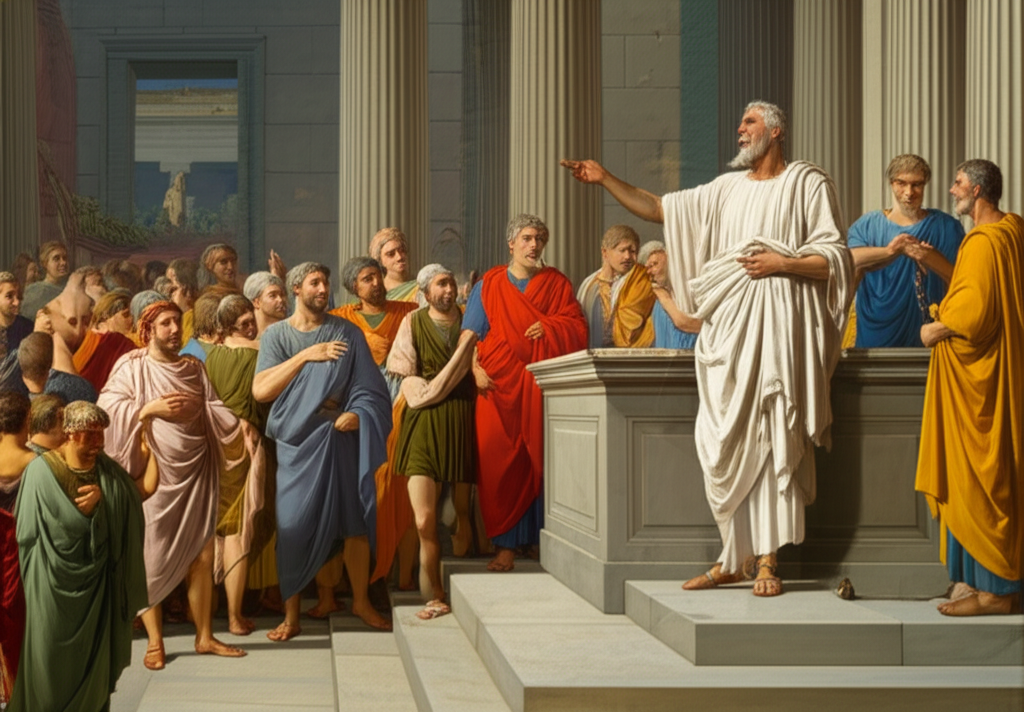
Thucydides, in his History of the Peloponnesian War, masterfully records the speeches of Athenian and Spartan leaders, demonstrating how Rhetoric was employed to rally support, articulate grievances, and justify brutal actions, such as the infamous Melian Dialogue where power trumped justice. These historical accounts from the Great Books offer chilling insights into the consistent patterns of war Language.
The Olive Branch: Rhetoric in Peacebuilding
Conversely, the pursuit of Peace also relies heavily on sophisticated Rhetoric. The Language of peace aims to:
- Emphasize Shared Humanity: Highlighting common values, aspirations, and the universal desire for stability and prosperity, rather than differences.
- Promote Dialogue and Diplomacy: Framing negotiation as the only rational and sustainable path forward, rather than confrontation.
- Articulate Vision for a Better Future: Offering a compelling vision of post-conflict reconstruction, cooperation, and mutual benefit.
- Acknowledge and Address Grievances: Using
Languagethat validates the suffering of all parties, fostering empathy and creating space for reconciliation.
Immanuel Kant's Perpetual Peace, another cornerstone of the Great Books, outlines a philosophical framework for achieving lasting Peace through international law and reason. His Rhetoric is one of enlightened self-interest and moral duty, urging Government to transcend short-sighted aggression for the sake of universal harmony. The challenge for peace Rhetoric is often to be as compelling and emotionally resonant as the Rhetoric of war.
Contrasting Rhetorical Landscapes
The table below illustrates some common rhetorical strategies employed in discussions of War and Peace.
| Aspect | Rhetoric of War | Rhetoric of Peace |
|---|---|---|
| Primary Goal | Mobilization, Justification, Demonization | Reconciliation, Cooperation, De-escalation |
| Key Emotions | Fear, Anger, Patriotism, Righteous Indignation | Hope, Empathy, Trust, Shared Benefit |
| Framing | Us vs. Them, Existential Threat, Injustice | Common Ground, Mutual Gain, Future Prosperity |
| Terminology | Enemy, Threat, Sacrifice, Victory, Freedom | Partner, Dialogue, Compromise, Resolution, Security |
| Call to Action | Fight, Defend, Conquer, Punish | Negotiate, Understand, Build, Forgive |
The Ethical Imperative: Language, Government, and Responsibility
The enduring lessons from the Great Books, from Machiavelli's cynical observations on power in The Prince to Augustine's reflections on The City of God, underscore the profound ethical responsibility that comes with wielding Language in the public sphere. When Government leaders craft Rhetoric, they are not merely choosing words; they are shaping destinies.
For citizens, the challenge is to develop critical discernment. We must learn to distinguish genuine calls for justice or peace from manipulative propaganda. This requires:
- Skepticism: Questioning the motives and evidence behind persuasive appeals.
- Contextual Awareness: Understanding the historical, political, and cultural backdrop of any message.
- Empathy: Considering the perspectives of all parties involved, including those demonized by war
Rhetoric.
YouTube Video Suggestions:
-
📹 Related Video: PLATO ON: The Allegory of the Cave
Video by: The School of Life
💡 Want different videos? Search YouTube for: ""Plato Aristotle Rhetoric Philosophy Explained""
2. ## 📹 Related Video: ARISTOTLE ON: The Nicomachean Ethics
Video by: The School of Life
💡 Want different videos? Search YouTube for: ""Noam Chomsky Media Propaganda War Language""
Conclusion: A Call for Conscious Engagement
The Rhetoric of War and Peace is a testament to the immense power of Language. It is the very fabric through which Government communicates its intentions, justifies its actions, and seeks to unite or divide its people. As Emily Fletcher, I believe that understanding this rhetorical landscape is not just an academic exercise; it is a vital component of engaged citizenship. By critically analyzing the words that shape our world, we can better advocate for ethical Government, challenge unwarranted aggression, and champion the cause of lasting Peace. The Great Books offer not just historical accounts, but timeless lessons on how to navigate the persuasive currents that constantly threaten to sweep us away. Let us listen, question, and speak with wisdom.