

The Pursuit of Pleasure and the Good Life: A Philosophical Odyssey
From the fleeting joy of a perfectly brewed coffee to the profound contentment of a life well-lived, the human experience is inextricably linked to the quest for what feels good. But what is this 'good'? Is it merely the absence of pain, or the accumulation of pleasure? And how does this pursuit align with, or diverge from, the elusive 'good life' we all desire? Join us, dear reader, as we plunge into the depths of philosophical inquiry, guided by the titans of thought from the Great Books of the Western World, to unravel the intricate tapestry woven between sensation, satisfaction, and ultimate human flourishing.
This pillar page explores the multifaceted relationship between our pursuit of pleasure and our aspiration for a good, meaningful life. We will navigate historical perspectives, dissect core concepts like happiness and desire, and examine the enduring debates that continue to shape our understanding of human well-being, even as we confront the ultimate realities of life and death.
Understanding the Core Concepts: Pleasure, Pain, Desire, and Happiness
Before we embark on our historical journey, let's define the fundamental terms that will guide our discussion. These concepts, though seemingly straightforward, hold layers of philosophical complexity.
- Pleasure (Hedone): Often understood as a feeling of enjoyment or satisfaction, pleasure manifests in various forms:
- Sensory Pleasure: The delight of taste, touch, sound, sight, and smell.
- Intellectual Pleasure: The satisfaction derived from learning, solving problems, or engaging in deep thought.
- Aesthetic Pleasure: The joy experienced from beauty in art, nature, or music.
- Emotional Pleasure: Feelings of joy, contentment, love, or triumph.
- Pain (Algos): The antithesis of pleasure, pain is an unpleasant sensory or emotional experience. Philosophically, its role is often crucial – not just as something to be avoided, but as a definer of pleasure and sometimes, paradoxically, a catalyst for growth or deeper understanding.
- Desire (Epithymia): The fundamental impulse or craving for something. Desire is the engine that drives our pursuit of pleasure, avoidance of pain, and ultimately, our vision of the good life. Philosophers have debated whether desires should be indulged, moderated, or transcended.
- Happiness (Eudaimonia): This is perhaps the most complex term. Unlike fleeting pleasure, happiness in the philosophical sense (particularly eudaimonia in ancient Greek thought) refers to a state of human flourishing, living well, and doing well. It implies a deeper, more enduring sense of fulfillment and well-being, often tied to virtue and purpose, rather than mere momentary gratification.
- The Good Life: This overarching concept refers to a life that is considered desirable, fulfilling, and ethically sound. Its definition is the very subject of our inquiry, with various philosophical schools offering distinct pathways to its attainment.
A Philosophical Odyssey: Historical Perspectives on Pleasure and the Good Life
The question of pleasure's role in the good life has captivated thinkers for millennia. Let's trace this intellectual lineage through some of the most influential voices from the Great Books of the Western World.
Ancient Greek Wisdom: The Dawn of Inquiry
The classical Greek philosophers laid the groundwork for much of our understanding. They wrestled with the tension between transient bodily pleasures and a more enduring, virtuous existence.
-
Socrates & Plato: For these giants, particularly in works like Plato's Republic and Gorgias, the pursuit of mere bodily pleasure was often seen as a distraction, even a hindrance, to the true good. They emphasized the cultivation of the soul, reason, and virtue as the path to genuine happiness. The "good life" for Plato involved an ascent from the shadows of sensory experience to the light of intellectual understanding and moral excellence.
-
Aristotle: In his Nicomachean Ethics, Aristotle offered a nuanced perspective. He argued that eudaimonia – human flourishing or living well – is the ultimate goal, the highest good achievable through rational activity in accordance with virtue. Pleasure, for Aristotle, is not the goal itself, but a natural accompaniment or completion of virtuous activity. A truly good act is pleasurable to the virtuous person, making pleasure a supervenient quality rather than the primary object of pursuit. The good life is one of balanced activity, intellectual contemplation, and civic engagement.
-
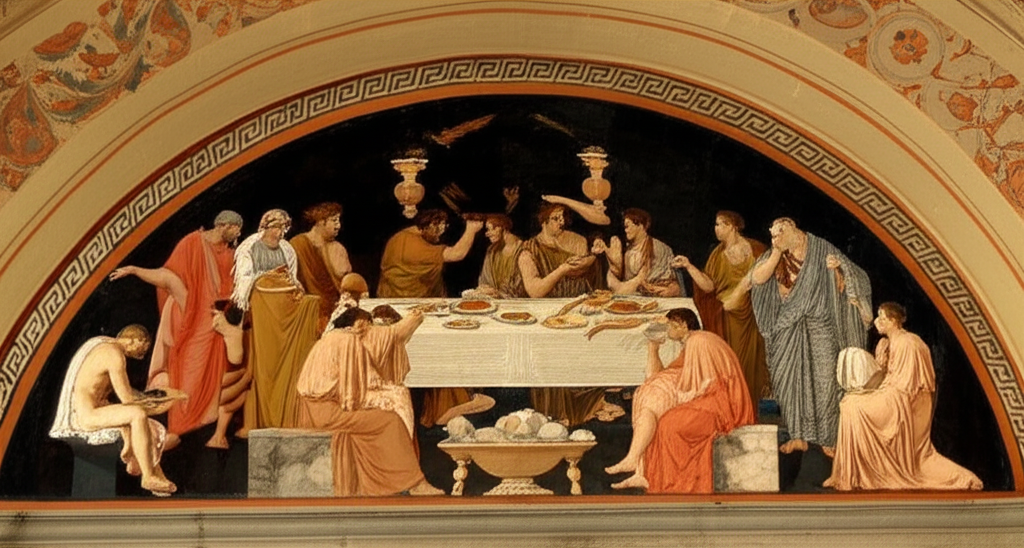
Epicurus: Often misunderstood as a proponent of hedonism, Epicurus, whose ideas are captured in his Letter to Menoeceus, advocated for a life of tranquil contentment. He defined the good as the absence of pain in the body (aponia) and disturbance in the soul (ataraxia). For Epicurus, the wise person cultivates simple pleasures, moderates their desires, and avoids the causes of anxiety. Crucially, he addressed Life and Death directly, famously stating that "death is nothing to us," as when we are, death is not; and when death is, we are not. This understanding was key to achieving peace of mind.
-
The Stoics: Philosophers like Seneca, Epictetus, and Marcus Aurelius (whose Meditations offers profound insights) held that virtue is the sole good. Pleasure and pain were considered "indifferent" – not inherently good or bad, but external factors over which we have limited control. The good life, for the Stoics, was about living in accordance with nature and reason, accepting what cannot be changed, and focusing solely on what is within our power: our judgments, intentions, and actions. Happiness derived from inner tranquility and moral rectitude, not from external circumstances.
Medieval Reflections: Divine Pleasure and Earthly Trials
With the rise of Christianity, the concept of the good life took on a theological dimension.
- Saint Augustine: In his Confessions, Augustine grappled with his own worldly desires and the search for ultimate happiness. He concluded that true pleasure and fulfillment could only be found in God. Earthly pleasures were seen as fleeting, often distracting from the divine good, and potentially leading to sin if not properly oriented. The good life was one of devotion, seeking spiritual rather than carnal satisfaction.
- Saint Thomas Aquinas: Synthesizing Aristotelian philosophy with Christian theology in his Summa Theologica, Aquinas argued that the ultimate happiness or beatitude for humans lies in the contemplation of God, the supreme good. While earthly pleasures have their place, they are secondary and instrumental to this ultimate spiritual end.
Modern Enlightenment: Utility, Will, and Revaluation
The modern era brought new perspectives, questioning traditional authorities and focusing on human experience and reason.
- Utilitarianism (Bentham & Mill): Jeremy Bentham, and later John Stuart Mill in his Utilitarianism, proposed that the greatest good is the greatest happiness for the greatest number. Pleasure and pain were seen as the fundamental motivators of human action and the sole basis for moral evaluation. Mill, however, introduced a crucial distinction, arguing that there are "higher" and "lower" pleasures. Intellectual and moral pleasures (e.g., reading poetry) are superior to purely sensory ones (e.g., eating), asserting that "it is better to be a human being dissatisfied than a pig satisfied; better to be Socrates dissatisfied than a fool satisfied."
- Friedrich Nietzsche: In works like Thus Spoke Zarathustra, Nietzsche radically challenged conventional notions of the good life, pleasure, and happiness. He saw pleasure and pain not as ends in themselves, but as symptoms or indicators of the "will to power"—the fundamental drive to grow, overcome, and create. The 'good life' for Nietzsche involved embracing struggle, self-overcoming, and the revaluation of values, moving beyond herd morality to forge one's own meaning.
Key Debates and Controversies
The philosophical journey has not been without its contentious points. Several core debates continue to animate discussions about pleasure and the good life:
- Is Pleasure Intrinsically Good, or Only Instrumentally Good?
- Some argue that pleasure is good in itself (intrinsic), while others contend it is only good as a means to a greater end (instrumental), such as happiness or virtue.
- Are All Pleasures Equal? The Quality vs. Quantity Debate:
- Bentham's utilitarianism suggested that all pleasures were quantitatively equal (a pleasure is a pleasure). Mill, as noted, challenged this, introducing a qualitative distinction between "higher" and "lower" pleasures.
- The Paradox of Hedonism:
- This paradox suggests that the direct pursuit of pleasure often fails to achieve it. Instead, pleasure is often a byproduct of pursuing other goals, such as virtue, meaning, or helping others.
- The Role of Pain in a Meaningful Life:
- While we instinctively avoid pain, many philosophers and life experiences suggest that enduring pain, struggle, or suffering can lead to profound growth, resilience, and a deeper appreciation for happiness and pleasure.
- Desire: To Indulge or To Transcend?
- Should we strive to fulfill all our desires, or should we cultivate a detachment from them, recognizing them as potential sources of suffering? This question lies at the heart of many spiritual and philosophical traditions.
Practical Applications and Implications for Living Well
Understanding these diverse philosophical perspectives isn't just an academic exercise; it offers profound insights into how we might better navigate our own lives and pursue our version of the good.
- Mindful Living: By distinguishing between fleeting pleasures and lasting happiness, we can cultivate mindfulness, appreciating present moments without being consumed by insatiable desires.
- Cultivating Virtue: Many philosophical traditions, from Aristotle to the Stoics, emphasize that a virtuous character is foundational to the good life, with pleasure often following naturally from ethical conduct.
- Understanding Our Desires: By critically examining what we desire, we can discern whether our pursuits lead to genuine fulfillment or merely temporary gratification. Do our desires align with our deepest values?
- Confronting Life and Death: Our philosophical stance on pleasure and the good life profoundly shapes our approach to mortality. Epicurus taught that understanding death as "nothing to us" frees us from fear. The Stoics encouraged living each day as if it were our last, focusing on virtue and acceptance. How we define a 'good life' inherently informs how we face its inevitable end, and how we cope with the pain of loss.
Related Concepts and Intersections
The pursuit of pleasure and the good life intersects with numerous other philosophical and psychological domains:
- Ethics and Morality: How our actions contribute to or detract from our own and others' well-being.
- Aesthetics: The appreciation of beauty and its role in human happiness and flourishing.
- Virtue Ethics: The focus on character and moral excellence as the path to the good life.
- Psychology of Motivation: Modern psychology delves into the mechanisms of desire, reward, and the pursuit of happiness.
Conclusion: A Continuous Quest for Flourishing
The pursuit of pleasure and the quest for the good life are not simple equations. They are complex, dynamic journeys that demand introspection, critical thought, and a willingness to engage with the profound questions raised by the greatest minds in history. As Daniel Sanderson, I urge you to continue this exploration, to question your own desires, to understand the interplay of pleasure and pain, and to forge a path towards a happiness that is truly your own, even in the face of life and death. The good life, it seems, is less a destination and more a continuous, thoughtful engagement with the very act of living.
Further Exploration
-
📹 Related Video: STOICISM: The Philosophy of Happiness
Video by: The School of Life
💡 Want different videos? Search YouTube for: ""Epicureanism vs. Stoicism explained""
-
📹 Related Video: ARISTOTLE ON: The Nicomachean Ethics
Video by: The School of Life
💡 Want different videos? Search YouTube for: ""Aristotle's Ethics Eudaimonia""