

The Pursuit of Happiness and the Good Life: A Timeless Inquiry
From the ancient Greek philosophers to the modern existentialists, humanity has grappled with two profound questions: what constitutes happiness, and how does one live a truly good life? This article delves into these intertwined concepts, drawing upon the rich tapestry of Western philosophical thought to explore the multifaceted nature of human flourishing. We'll navigate the nuanced definitions of happiness, examine the intricate relationship between pleasure and pain, confront the moral imperatives of good and evil, and ultimately reflect on how the finite reality of life and death shapes our quest for meaning and contentment.
Defining Happiness: More Than Just a Feeling
For many, happiness is often perceived as a fleeting emotion, a temporary state of joy or contentment. Yet, the great philosophers of the Western tradition offered a much deeper, more robust understanding. They sought not merely transient bliss, but eudaimonia – a concept best translated as human flourishing, living well, or having a good spirit.
Aristotle, in his Nicomachean Ethics, famously posited that happiness is the ultimate end of all human activity. It isn't a means to something else, but an end in itself. For Aristotle, eudaimonia was achieved through virtuous activity in accordance with reason. It wasn't about feeling good, but about being good and doing good. This contrasts sharply with a purely hedonistic view, which equates happiness solely with pleasure.
Key Philosophical Approaches to Happiness:
- Aristotelian Eudaimonia: Flourishing through virtuous activity and rational thought.
- Epicurean Tranquility: Achieving ataraxia (freedom from disturbance) and aponia (absence of pain) through moderate pleasures and the avoidance of fear.
- Stoic Serenity: Finding contentment through virtue, reason, and accepting what is beyond one's control, cultivating apatheia (freedom from passion).
- Utilitarian Maximization: The greatest good for the greatest number, where happiness is often quantified as pleasure and the absence of pain (e.g., John Stuart Mill).
The pursuit of happiness, therefore, is not a passive waiting game but an active engagement with life, demanding self-reflection, moral choice, and a commitment to personal growth.
The Dance of Pleasure and Pain
The roles of pleasure and pain are central to any discussion of happiness and the good life. Are they indicators, obstacles, or perhaps even essential components of our journey?
Epicurus, often misunderstood as a promoter of unrestrained indulgence, actually advocated for a life of modest pleasures and the avoidance of pain, both physical and mental. His philosophy was less about extravagant feasts and more about the quiet joy of friendship, intellectual discourse, and freedom from anxiety. True pleasure, for Epicurus, was the absence of pain and distress, leading to a state of tranquil equilibrium.
Conversely, the Stoics, like Seneca and Marcus Aurelius, viewed external pleasure and pain with a degree of indifference. They argued that virtue was the sole good, and that true happiness came from living in accordance with nature and reason, regardless of external circumstances. Pain, suffering, and even death were natural parts of life, to be met with equanimity and rational acceptance, rather than resistance or despair.
This fundamental divergence highlights a critical question: should we actively seek pleasure and avoid pain, or should we cultivate an inner fortitude that transcends these sensations? The answer, perhaps, lies in understanding their nature – as transient experiences that can inform, but not solely define, our path to flourishing.
Good and Evil: The Moral Compass of the Good Life
No discussion of the good life can ignore the concepts of good and evil. What makes an action good? What makes a life truly worthy? Philosophers throughout history have grappled with these moral quandaries, recognizing that our choices profoundly impact not only our own happiness but also the well-being of the community.
Plato, in his Republic, argued that the just individual and the just society are intrinsically linked. To live a good life, one must cultivate virtues like wisdom, courage, temperance, and justice. The pursuit of the Good, for Plato, was an ascent towards ideal forms, an intellectual and moral journey towards ultimate truth.
Immanuel Kant, in his ethical framework, emphasized the importance of duty and moral law. For Kant, an action was truly good only if it was performed out of a sense of duty, rather than inclination or expected outcome. His Categorical Imperative—act only according to that maxim whereby you can at the same time will that it should become a universal law—provides a rigorous standard for discerning good from evil.
The tension between individual desire and universal moral principles is a perennial challenge. Is the good life one lived purely for personal fulfillment, or does it demand a commitment to the welfare of others, even at personal cost? The great texts suggest that a truly good life is inextricably linked to moral rectitude, where our actions contribute positively to the human condition, rather than detracting from it.
Life and Death: The Ultimate Horizon
The awareness of life and death casts a long shadow, or perhaps a guiding light, over our pursuit of happiness and the good life. How does the finite nature of our existence shape our values, our choices, and our understanding of meaning?
For many philosophers, the contemplation of death is not morbid, but rather a powerful impetus for living well. Seneca, a Roman Stoic, frequently wrote about memento mori (remember that you must die), not to induce fear, but to encourage living each day fully and virtuously. The brevity of life underscores the urgency of cultivating wisdom, friendship, and moral integrity.
Existentialist thinkers, though later than the Great Books canon, build upon these themes, emphasizing that in a world without inherent meaning, we are condemned to be free—to create our own meaning in the face of our inevitable demise. This perspective highlights the profound responsibility we bear in shaping our own good life.
The knowledge that life is finite can inspire us to prioritize what truly matters, to shed trivial concerns, and to engage authentically with the world and our fellow beings. It forces us to ask: If this were my last day, would I be living a good life? Would I be happy with the choices I’ve made?
Paths to Flourishing: Ancient Wisdom, Modern Relevance
The philosophical journey through happiness and the good life reveals not a single, prescriptive path, but a rich tapestry of perspectives. While the answers may differ, the underlying quest for meaning, purpose, and contentment remains universally human.
| Philosophical School | Core Concept of Happiness | Approach to Pleasure/Pain | Moral Framework |
|---|---|---|---|
| Aristotelian | Eudaimonia (Flourishing) | Virtue as primary, pleasure as byproduct | Virtue Ethics |
| Epicurean | Ataraxia (Tranquility) | Absence of pain/distress, moderate pleasure | Hedonistic (refined) |
| Stoic | Apatheia (Serenity) | Indifference to externals, virtue is sole good | Virtue Ethics, Duty |
| Kantian | Moral Worthiness | Duty over inclination, consequences irrelevant | Deontology (Duty-based) |
The pursuit of happiness and the good life is an ongoing dialogue, a personal and collective endeavor informed by centuries of profound thought. It demands that we grapple with our desires, confront our moral obligations, and acknowledge the precious, fleeting nature of our existence. To live well, it seems, is to engage deeply with these timeless questions, continually refining our understanding and striving for a life lived with purpose, virtue, and genuine contentment.
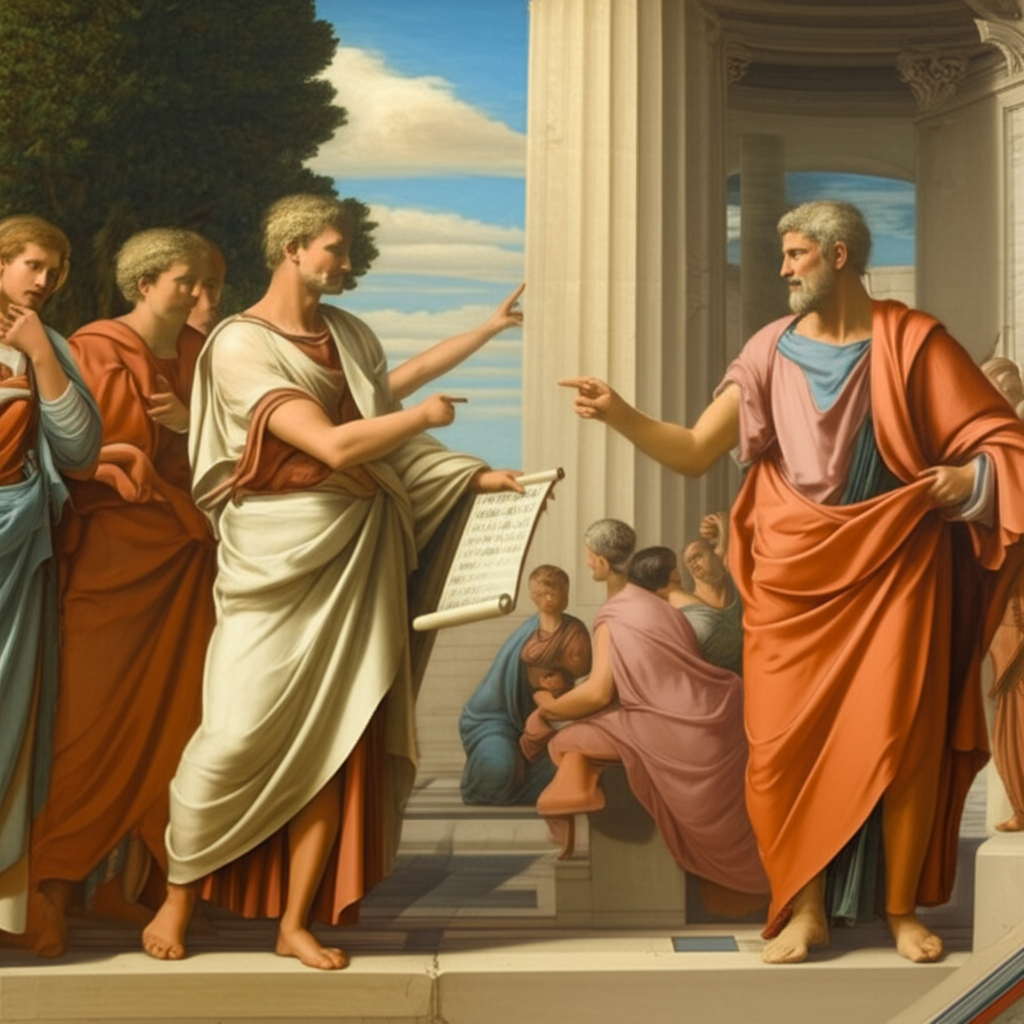
📹 Related Video: ARISTOTLE ON: The Nicomachean Ethics
Video by: The School of Life
💡 Want different videos? Search YouTube for: ""Aristotle Nicomachean Ethics Eudaimonia Explained""
📹 Related Video: STOICISM: The Philosophy of Happiness
Video by: The School of Life
💡 Want different videos? Search YouTube for: ""Stoicism and the Art of Living: Marcus Aurelius Philosophy""