

The Unending Quest: Navigating Happiness and the Good Life
Summary: The Perennial Pursuit
The pursuit of happiness and the good life stands as one of humanity's most enduring and perplexing endeavors. Far from a simple emotional state, happiness, in its profound philosophical sense, is often intertwined with the concept of eudaimonia – a flourishing life characterized by virtue, purpose, and well-being. This article delves into how philosophers, from ancient Greece to the modern age, have grappled with defining this elusive goal, considering the roles of pleasure and pain, the inescapable reality of life and death, and the moral compass of good and evil. Drawing from the rich tapestry of the Great Books of the Western World, we explore various perspectives on what it truly means to live a life worth living, emphasizing that this quest is less about finding a definitive answer and more about the continuous journey of self-discovery and ethical engagement.
The Ancient Foundations: What is Happiness, Really?
From the earliest philosophical inquiries, the question of what constitutes a "good life" has been central. For many, it immediately conjures images of happiness, a state of contentment and joy. Yet, the ancients quickly discerned that superficial pleasure, though desirable, rarely equated to a truly fulfilling existence.
Beyond Hedonism: Aristotle's Eudaimonia
Aristotle, in his Nicomachean Ethics, famously posited that happiness (eudaimonia) is the highest human good, an activity of the soul in accordance with complete virtue. It is not merely a feeling but a way of living, a state of flourishing achieved through rational activity and moral excellence. This stands in stark contrast to pure hedonism, which defines the good life solely by the maximization of pleasure and the minimization of pain. While Epicurus, another giant from the Great Books, advocated for a life free from pain and disturbance, his view was far more nuanced than simple indulgence, emphasizing tranquility of mind over fleeting sensory gratification.
- Aristotle's Eudaimonia: A life of virtuous activity, rational thought, and flourishing.
- Epicurus' Ataraxia: A state of serene calmness, free from disturbance and pain.
The distinction is critical: one can experience immense pleasure without necessarily living a good life in the Aristotelian sense. Conversely, the pursuit of virtue can involve temporary pain or sacrifice, yet ultimately contribute to a deeper, more profound sense of well-being.
The Inescapable Shadow: Life and Death
No discussion of the good life can ignore the fundamental realities of life and death. Our mortality shapes our values, our urgency, and our understanding of what truly matters.
The Urgency of Finitude
The awareness of our finite existence, a theme explored by thinkers from Seneca to the existentialists, imparts a unique urgency to the pursuit of happiness. If life is fleeting, how then should we live? This question often pushes us beyond the trivial, forcing a confrontation with deeper meaning. For Stoics like Seneca and Marcus Aurelius, contemplating death was not morbid but a powerful tool for living well, for focusing on what is within our control and appreciating the present moment.
- Stoic Perspective: Memento Mori (remember you must die) encourages living virtuously and appreciating life's impermanence.
- Existentialist View: Life and Death define the boundaries of our freedom and responsibility to create meaning.
The very fact of death compels us to consider the quality of life we are living. Does our pursuit of happiness align with our deepest values, or are we merely distracted by transient desires? This profound reflection is a cornerstone of the philosophical journey.
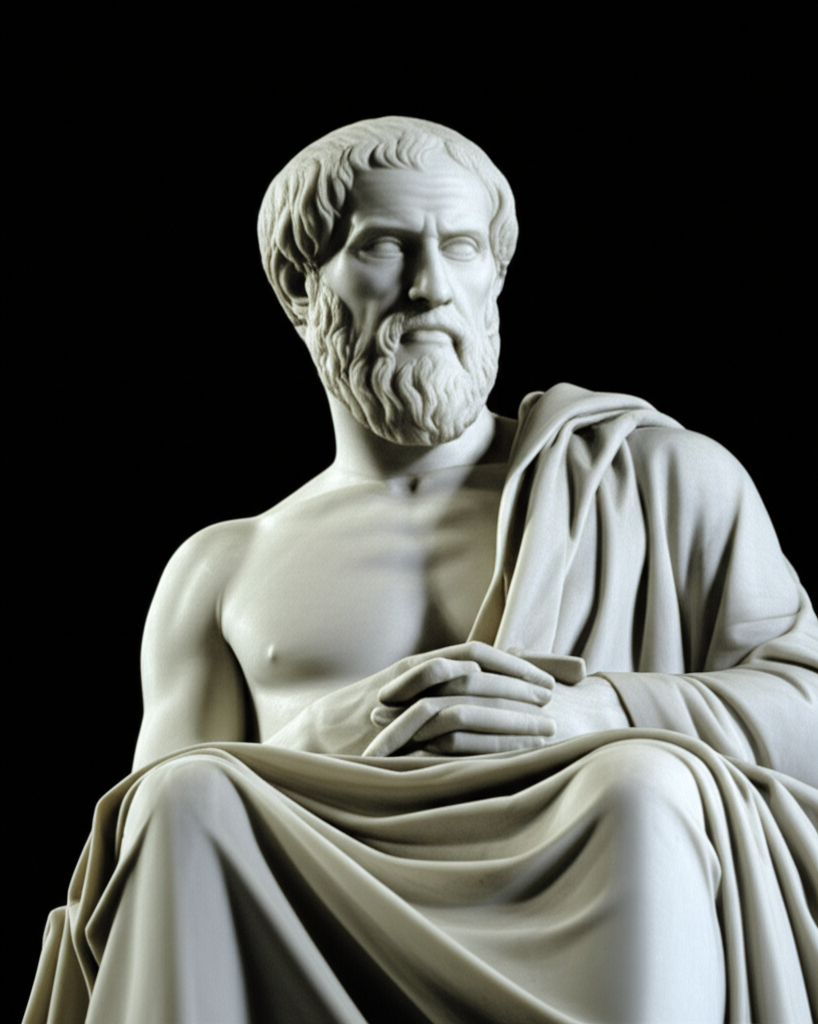
The Moral Compass: Good and Evil
Can one truly achieve happiness or the good life by engaging in evil? This question has vexed philosophers for millennia, leading to the intricate relationship between ethics and well-being.
Virtue, Morality, and Flourishing
Plato, in his Republic, argued compellingly that justice and virtue are intrinsically linked to the well-being of the soul. An unjust person, though they may amass power or wealth, cannot truly be happy because their soul is in disorder. Similarly, Immanuel Kant, in his ethical treatises, emphasized the categorical imperative: act only according to a maxim whereby you can at the same time will that it should become a universal law. For Kant, moral action is not a means to happiness but an end in itself, though he believed that living a moral life was a necessary condition for being worthy of happiness.
| Philosophical Stance | Relationship to Good and Evil | Pursuit of Happiness |
|---|---|---|
| Plato | Virtue = Soul's Health | Inseparable from justice and moral order. |
| Kant | Moral Duty = Universal Law | Moral worthiness is a prerequisite; happiness is not the primary goal. |
| Nietzsche | Revaluation of Values | Challenges traditional notions of good/evil to achieve individual 'will to power' and self-overcoming. |
The tension between good and evil is not merely an external societal construct but an internal struggle that defines our character and, ultimately, the quality of our life. The choices we make, the values we uphold, and the actions we take profoundly impact our capacity for genuine flourishing.
The Elusive Good Life: A Synthesis of Thought
So, what then is "the good life"? It is evident that no single, universally accepted definition exists. Instead, the Great Books offer a mosaic of perspectives, each contributing to a richer, more complex understanding.
The good life is not a static destination but an ongoing process of:
- Self-Reflection: Continuously examining our values, motives, and actions.
- Virtuous Action: Striving for moral excellence and contributing positively to the world.
- Meaning-Making: Finding purpose and significance in our experiences, especially in the face of life and death.
- Balanced Living: Integrating intellectual pursuits, emotional well-being, and physical health, without succumbing purely to pleasure or pain.
Ultimately, the pursuit of happiness and the good life is a deeply personal journey, yet one that is profoundly informed by the collective wisdom of humanity's greatest thinkers. It demands courage to confront the fundamental questions of existence, integrity to align our actions with our ideals, and an unwavering commitment to growth.
Conclusion: The Journey Continues
The quest for happiness and the good life remains as vital today as it was in ancient Athens. It is a journey fraught with philosophical dilemmas, ethical challenges, and the undeniable realities of pleasure and pain, life and death, and the constant interplay of good and evil. While definitive answers may elude us, the act of questioning, reflecting, and striving itself forms the very essence of a well-lived, philosophically engaged existence. May our individual and collective pursuits continue to illuminate the path forward.
YouTube Suggestions:
-
📹 Related Video: ARISTOTLE ON: The Nicomachean Ethics
Video by: The School of Life
💡 Want different videos? Search YouTube for: "Aristotle Nicomachean Ethics Eudaimonia Explained"
-
📹 Related Video: STOICISM: The Philosophy of Happiness
Video by: The School of Life
💡 Want different videos? Search YouTube for: "Stoicism Death Philosophy Seneca Marcus Aurelius"