

The Enduring Alchemy: Memory and Imagination as the Soul of Art
Summary: Art, in its myriad forms, is not merely an aesthetic pursuit but a profound philosophical endeavor, deeply rooted in the twin faculties of Memory and Imagination. This article explores how these intricate workings of the Mind serve as the fundamental wellspring of artistic creation and reception, transforming raw Experience into something transcendent. From the echoes of past events to the forging of entirely new realities, memory provides the essential substance, while imagination lends the transformative vision, together revealing art's unparalleled power to articulate the human condition.
The Architectonics of Artistic Creation
The human Mind is an astonishing forge, constantly processing, storing, and reinterpreting the world around it. Within this intricate mechanism, Memory and Imagination stand out as particularly potent forces, especially when we consider the realm of Art. It is through their symbiotic interplay that artists give form to the formless, voice to the ineffable, and meaning to the chaotic currents of existence. For centuries, philosophers, from the ancient Greeks whose works comprise the Great Books of the Western World to contemporary thinkers, have grappled with these concepts, recognizing their pivotal role in shaping our understanding of reality itself.
Memory: The Reservoir of Being
Memory is far more than a simple recall of facts; it is the very fabric of our personal and collective histories, a vast reservoir of sensations, emotions, and past Experiences. For the artist, this reservoir is the primary source material, providing the authentic textures and emotional resonance necessary for compelling creation.
How Memory Fuels Art:
- Personal Recollection: Artists draw upon their own lives, joys, sorrows, and observations, infusing their work with genuine feeling. A painter might recall the specific quality of light from a childhood morning, a writer the cadence of a forgotten conversation, or a musician the emotional arc of a significant life event.
- Collective Memory: Beyond individual Experience, art often taps into the shared cultural, historical, and mythological memory of humanity. Epic poems, historical dramas, and monumental sculptures all serve as vessels for transmitting and reinterpreting the grand narratives that define civilizations.
- Emotional Imprint: It's not just the facts of memory, but the feeling associated with them that is crucial. Memory allows artists to access and translate complex emotional states, giving their work depth and universality.
Philosophers like Aristotle, in his De Memoria et Reminiscentia, considered memory as a storehouse of images or "phantasmata," which the Mind could then re-examine and combine. This re-examination is precisely where art begins its transformative journey.
Imagination: The Architect of the Possible
If memory provides the bricks and mortar, Imagination is the architect and the builder, shaping these raw materials into entirely new structures, envisioning possibilities that transcend mere replication. It is the faculty that allows us to conceive of what is not yet, or what could be, liberating Art from the confines of strict mimesis.
The Transformative Power of Imagination:
- Synthesis and Recombination: Imagination takes disparate elements from memory and recombines them in novel ways, creating unique narratives, forms, and melodies. A mythical creature, a futuristic city, or a symphony's complex structure are all products of this imaginative synthesis.
- Empathy and Perspective: Imagination allows artists to step into other shoes, to conceive of different worlds, and to explore alternate realities, thereby expanding our collective understanding and fostering empathy.
- Conceptual Leaping: It enables the Mind to move beyond the literal, to grasp abstract concepts and represent them symbolically, giving rise to allegory, metaphor, and profound philosophical inquiry within Art.
Plato, while often wary of art's mimetic nature in The Republic, implicitly acknowledged the power of imagination, albeit sometimes seeing it as a potential distorter of truth. Yet, it is precisely this capacity for distortion and re-creation that grants art its unique power to reveal deeper, often otherwise inaccessible, truths.
The Inseparable Dance: Memory and Imagination in Harmony
The true power emerges when Memory and Imagination work in concert. Neither can fully realize its potential in Art without the other. Memory grounds imagination in authenticity, while imagination elevates memory beyond mere nostalgia.
Consider the following interplay:
| Aspect of Art | Role of Memory | Role of Imagination |
|---|---|---|
| Creation | Provides authentic details, emotional truth, sensory data | Structures narratives, invents forms, envisions futures |
| Meaning | Connects to shared human Experience and history | Infuses work with symbolic depth, metaphorical power |
| Impact | Evokes recognition, familiarity, and resonance | Provokes wonder, challenges perception, inspires awe |
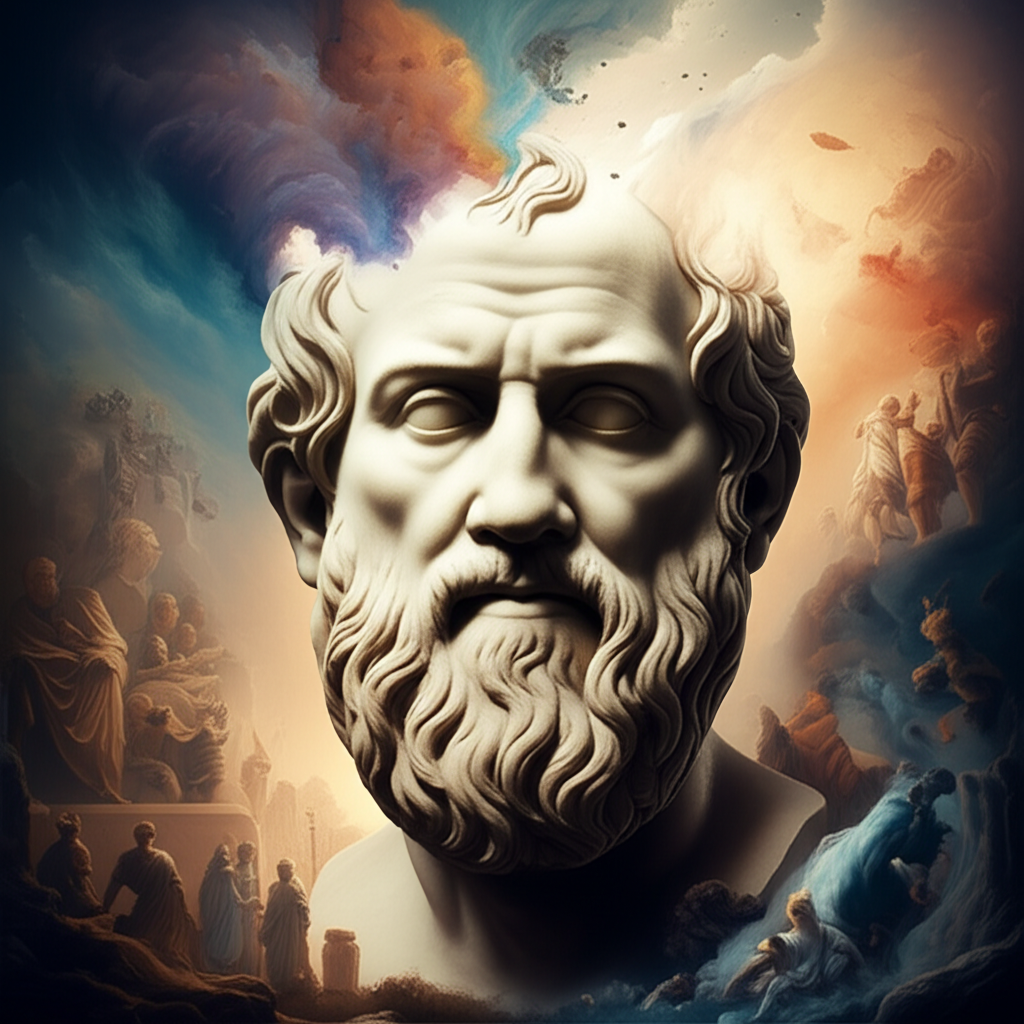
This synergy is what allows a writer to craft a compelling character based on fragments of people they've known, or a composer to weave a melody that evokes both profound personal sadness and universal hope. The artist's Mind acts as the crucible where these elements are fused into something new and potent.
Art as a Catalyst for Our Own Minds
The Power of Memory and Imagination is not confined to the artist alone. It extends profoundly to the audience. When we engage with Art, we are invited into a similar process of recollection and invention. A painting might trigger a long-forgotten memory, a piece of music might transport us to an imagined future, or a novel might allow us to vicariously Experience lives entirely different from our own.
This active engagement transforms passive viewing into an interactive dialogue, where the artwork serves as a prompt for our own internal worlds. Our individual memories and imaginative capacities become part of the work's ongoing interpretation, making each encounter a unique Experience.
Philosophical Echoes and Enduring Relevance
The philosophical inquiries into Memory and Imagination span millennia. From Plato's concept of anamnesis (recollection of eternal Forms) to Kant's exploration of the "free play" of understanding and imagination in aesthetic judgment, these faculties have been central to understanding human cognition and creativity. The Great Books of the Western World are replete with discussions that underscore their fundamental importance not just to Art, but to philosophy, science, and indeed, the very structure of conscious thought.
The enduring relevance of Memory and Imagination in Art lies in their ability to bridge the tangible and the intangible, the past and the future, the individual and the universal. They are the conduits through which we strive to make sense of our existence and to imbue it with meaning.
YouTube Video Suggestions:
-
📹 Related Video: PLATO ON: The Allegory of the Cave
Video by: The School of Life
💡 Want different videos? Search YouTube for: ""Plato on Art and Imitation - Philosophy Tube""
2. ## 📹 Related Video: What is Philosophy?
Video by: The School of Life
💡 Want different videos? Search YouTube for: ""The Philosophy of Imagination - Crash Course Philosophy""