

The Enduring Tapestry: Memory and Imagination in Art
The creation and appreciation of art stand as profound testaments to the human Mind, a faculty uniquely capable of weaving together the threads of what was and what could be. At the very core of this intricate process lie two indispensable powers: Memory and Imagination. This article explores how these twin capacities not only provide the raw material and the transformative engine for artistic expression but also shape our collective understanding and Experience of the world, bridging the subjective realm of individual recollection with the boundless possibilities of human invention.
The Artist as Architect of the Mind's Domain
Art, in its myriad forms, is rarely a mere mimicry of reality. Instead, it is a profound reinterpretation, a distillation of Experience filtered through the artist's unique consciousness. This filtering process is fundamentally reliant on Memory and Imagination. Memory provides the artist with a vast archive of sensations, emotions, observations, and intellectual constructs – the very substance of life lived and knowledge acquired. Imagination, conversely, is the dynamic force that manipulates, combines, and transcends these stored impressions, allowing for the emergence of novel forms, narratives, and insights. Without memory, imagination would lack substance; without imagination, memory would remain inert, a mere echo of the past, incapable of generating the new.
Memory: The Deep Wellspring of Artistic Inspiration
Memory is more than a simple recall of facts; it is a complex, multi-layered faculty that informs every creative act. For the artist, memory serves as the initial spark, the wellspring from which all creative endeavors flow.
- Personal Recollection: An artist might draw upon a childhood dream, a poignant encounter, or a vivid landscape from their past. These personal experiences are not simply copied but are often imbued with new meaning through the passage of time and the artist's emotional lens.
- Collective and Cultural Memory: Beyond individual Experience, artists tap into shared histories, myths, legends, and cultural symbols. Think of the epic poems of antiquity, the religious iconography of the Renaissance, or the social commentary embedded in contemporary street Art. These works often serve as conduits for transmitting and reinterpreting collective Memory and Imagination across generations.
- The Philosophical Dimension: Philosophers from Plato, with his concept of anamnesis (recollection of eternal forms), to Aristotle, who saw memory as a storehouse of sense impressions, have grappled with its nature. In Art, this philosophical weight is palpable; artists often strive to capture not just an image, but the essence of a remembered truth or feeling, hinting at a universal Mind beneath individual Experience.
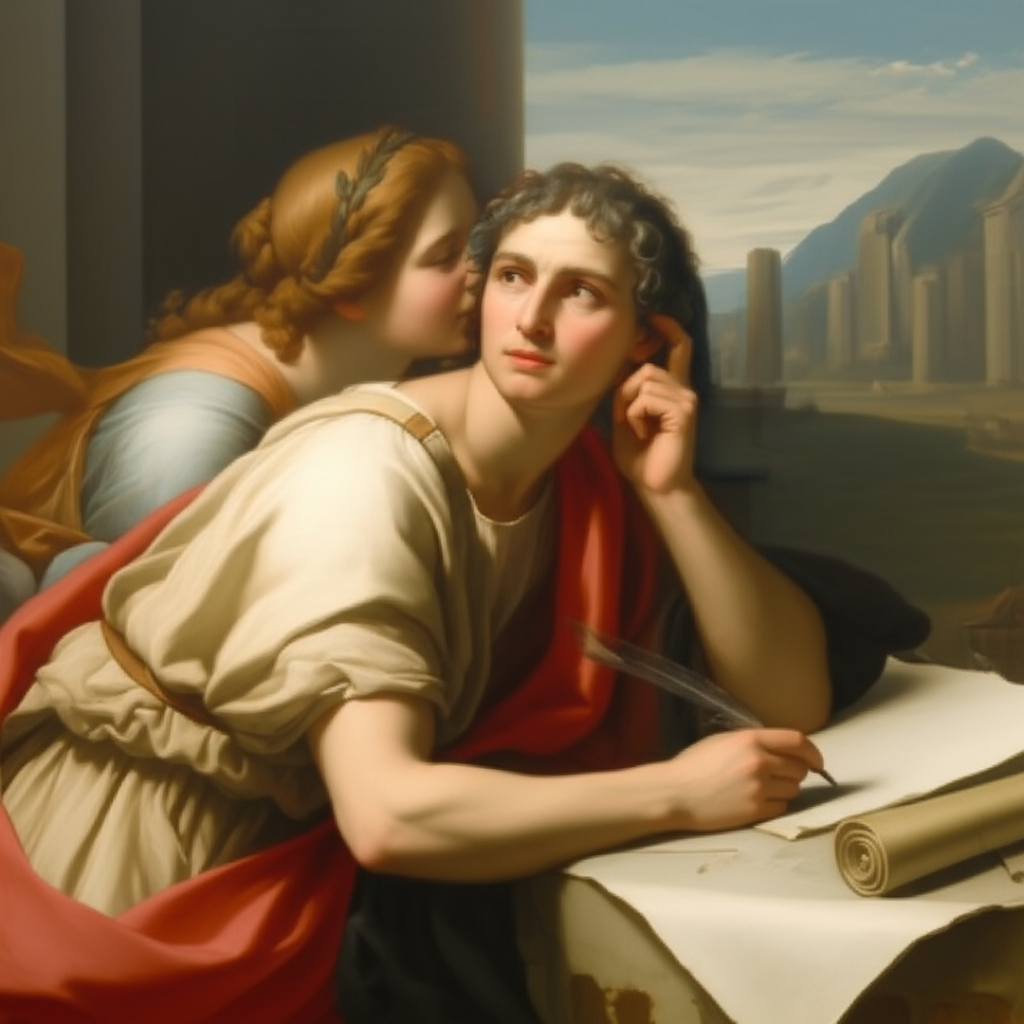
Imagination: The Forge of New Realities
If memory provides the raw materials, Imagination is the alchemical fire that transforms them into something entirely new. It is the faculty that allows the artist to transcend the immediate, to envision the impossible, and to give form to the formless.
The power of Imagination manifests in several crucial ways within Art:
- Synthesis and Transformation: Imagination combines disparate elements from memory into novel compositions. A painter might merge the colors of a sunset with the form of a human figure, creating a surreal landscape of the Mind. A writer might fuse remembered emotions with invented characters and plots.
- Abstraction and Symbolism: It allows artists to move beyond literal representation, extracting the essence of an idea or Experience. Abstract Art, for instance, relies heavily on the viewer's imagination to interpret forms, colors, and textures, evoking emotional or intellectual responses rather than depicting concrete objects.
- Empathy and Perspective: Imagination enables artists to step into other realities, to understand and portray perspectives beyond their own. This is vital in storytelling, drama, and character development, where the artist must imaginatively inhabit the lives of others.
- Idealization and Critique: From the idealized forms of Greek sculpture to the dystopian visions of modern literature, imagination allows Art to present what could be (better or worse) rather than merely what is, often serving as a powerful tool for social commentary or aspiration.
The Symbiotic Dance: Memory and Imagination in Artistic Creation
The true magic of Art lies in the seamless interplay between Memory and Imagination. They are not separate processes but two sides of the same creative coin.
Consider the following examples of their dynamic relationship:
| Artistic Discipline | Role of Memory | Role of Imagination |
|---|---|---|
| Painting | Recalling light, color, form from observed landscapes. | Reimagining composition, distorting reality for effect. |
| Literature | Drawing on personal experience, historical events. | Inventing characters, plots, alternative worlds. |
| Music | Remembering melodies, rhythms, emotional associations. | Composing new harmonies, developing thematic variations. |
| Sculpture | Recalling human anatomy, textures, material properties. | Conceiving abstract forms, expressing symbolic ideas. |
In each instance, the artist's Mind acts as a conduit, drawing from the reservoir of Memory and shaping it with the boundless potential of Imagination. This process is not merely individual; it speaks to a deeper, shared human Experience that Art illuminates.
Art as a Catalyst for Collective Memory and Imagination
Art does not merely reflect the artist's Mind; it actively shapes the collective consciousness. A powerful piece of Art can evoke forgotten memories in its audience, stir dormant emotions, and ignite new imaginative leaps. It creates a shared space where individual Experience can resonate with universal truths.
Through Art, societies revisit their past, interrogate their present, and dream of their future. A historical painting might remind us of past struggles, while a futuristic film might compel us to imagine new ethical dilemmas. In this way, Art becomes a vital mechanism for cultural continuity and evolution, continuously refreshing the well of collective Memory and Imagination. It is a profound experience that connects us across time and space, proving that the human Mind is capable of both preserving the past and perpetually inventing the future.
The Enduring Legacy of the Creative Mind
Ultimately, the power of Memory and Imagination in Art underscores the unique capacity of the human Mind to transcend the immediate and the tangible. It is through these faculties that we not only record our Experience but also project our deepest desires, fears, and aspirations onto the canvas of existence. From the ancient cave paintings to the digital installations of today, Art remains a testament to this inherent human drive – to remember, to imagine, and thereby to create meaning in an ever-evolving world. The enduring legacy of Art is, therefore, the enduring legacy of the creative Mind itself, forever weaving the past and the future into a vibrant, living present.
📹 Related Video: PLATO ON: The Allegory of the Cave
Video by: The School of Life
💡 Want different videos? Search YouTube for: ""Plato's Theory of Forms and Art""
📹 Related Video: KANT ON: What is Enlightenment?
Video by: The School of Life
💡 Want different videos? Search YouTube for: ""Kant's Aesthetics and the Role of Imagination""