

The human Mind, a boundless arena of thought and feeling, finds its most profound expressions in Art. Yet, the true architects behind these creations are often the intertwined forces of Memory and Imagination. These are not mere passive faculties but dynamic engines that process our Experience of the world, transforming raw sensation into meaningful, evocative works. This article explores how these two powers coalesce, drawing from the wellsprings of the past and charting courses for the unforeseen, ultimately defining the very essence of artistic creation and appreciation.
The Unseen Architects of Creation: Memory and Imagination in Art
In the grand tapestry of human endeavor, Art stands as a testament to our capacity for profound expression. But what fuels this ceaseless drive to create, to represent, to invent? As Daniel Sanderson, I posit that at the very core of this impulse lie the intricate workings of Memory and Imagination. These are the twin pillars supporting the edifice of artistic endeavor, shaping not only what an artist produces but also how an audience perceives and connects with it.
The Mind's Canvas: Where Experience Becomes Art
Every stroke of a brush, every carefully chosen word, every note struck in a melody, is in some fundamental way an echo of Experience filtered through the artist's Mind. Memory provides the foundational palette, the accumulated data of sensory input, emotional resonance, and intellectual understanding. It is the archive of sights, sounds, textures, and feelings that an artist has gathered throughout their life. Without memory, there would be no context, no reference, no past to inform the present.
- Memory's Role:
- Recollection of Form: Recalling the shape of a tree, the texture of skin, the light of a particular dawn.
- Emotional Resonance: Accessing feelings associated with past events, places, or people.
- Cultural & Historical Context: Drawing upon shared human experiences, myths, and historical narratives.
- Skill Acquisition: The muscle memory of practice, the recall of techniques and theories.
However, mere recollection is insufficient for Art. Here, Imagination enters the stage, taking the raw material of memory and reshaping it, recontextualizing it, or transcending it entirely. Imagination is the transformative power that allows the artist to see what could be rather than just what is or was. It permits the fusion of disparate memories into novel forms, the invention of worlds that never existed, and the articulation of emotions that defy simple description.
Echoes of the Past, Visions of the Future: A Philosophical Lineage
The profound connection between Memory and Imagination and Art has been a subject of philosophical inquiry for millennia, deeply embedded in the Great Books of the Western World.
- Plato's Mimesis and the Forms: Plato, in works like The Republic, viewed art primarily as mimesis, an imitation of reality. While this might seem to diminish the role of imagination, it implicitly acknowledges memory as the source of the artist's understanding of the world they imitate. Yet, even in imitation, there is a degree of imaginative interpretation. The artist's Mind processes the perceived world (memory) and then renders it, often imperfectly or idealistically, reflecting an imaginative engagement with the Forms themselves, or at least with their earthly manifestations.
- Aristotle's Poetics: Aristotle, in contrast, offered a more nuanced view in Poetics. For him, art was not just imitation but a representation of universal truths, often through the particular. The poet, for example, draws on Memory of human actions and emotions but uses Imagination to construct plots and characters that reveal deeper, universal patterns of human Experience. The power of tragedy, for instance, lies in its ability to evoke pity and fear, not merely through recounting actual events, but by imaginatively crafting a narrative that resonates with the audience's own potential experiences.
- Later Philosophers: From Descartes' emphasis on the mind's distinct faculties to Kant's exploration of the imagination's role in synthesizing sensory data into coherent experience, the philosophical tradition consistently highlights these powers. The subjective Experience of Art is deeply rooted in how our Mind remembers and imagines.
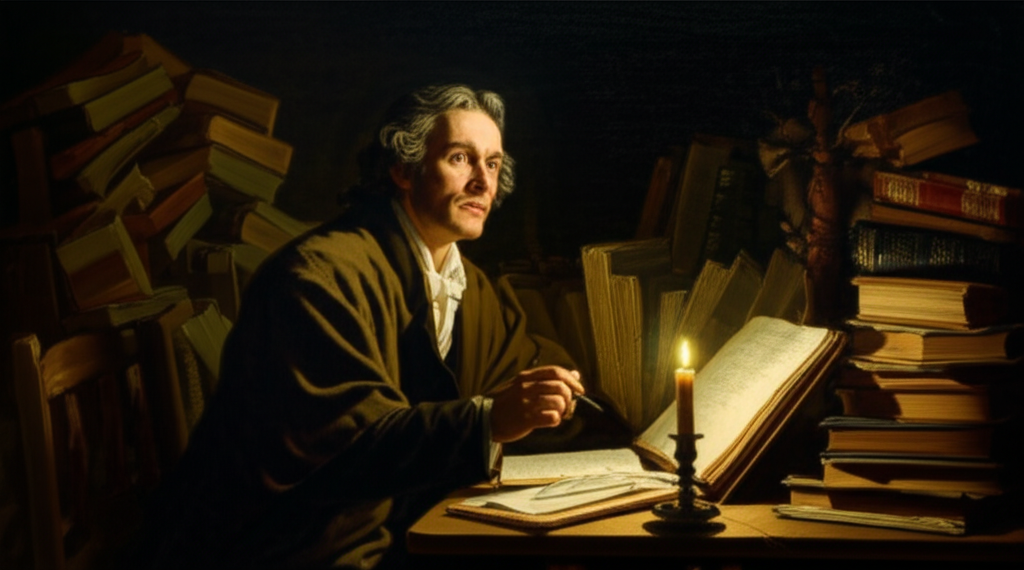
The Symbiotic Dance: How Artists Weave Reality and Dream
The true magic of artistic creation lies in the symbiotic relationship between Memory and Imagination. An artist doesn't simply retrieve a memory and present it; they reconstruct it, infuse it with new meaning, or use it as a springboard for entirely novel concepts.
Consider a writer crafting a fantasy novel:
- They draw on Memory of landscapes, architectural styles, human relationships, and historical events.
- They then employ Imagination to twist these elements: mountains become sentient, castles float in the sky, and human relationships are complicated by magic or alien physiology.
Similarly, a musician might recall a specific emotional Experience (memory) and then, through Imagination, translate that feeling into a sequence of notes, rhythms, and harmonies that evoke a universal resonance. The painter recalls the subtle interplay of light and shadow on a face (memory) but then uses Imagination to exaggerate, simplify, or re-color it to convey a particular mood or psychological depth.
| Faculty | Primary Function in Art | Contribution to Artistic Creation |
|---|---|---|
| Memory | Provides the raw material, context, and accumulated skill. | The repository of all past sensory, emotional, and intellectual Experience. |
| Imagination | Transforms, synthesizes, invents, and reinterprets. | The engine that propels Art beyond mere imitation into novel expression. |
Beyond the Frame: The Audience's Journey of Experience
The power of Memory and Imagination in Art extends far beyond the creator. When we engage with a work of art, our own minds become active participants. A painting might trigger a personal Memory of a similar landscape or emotion. A piece of music can transport us, through Imagination, to distant places or evoke feelings we thought long dormant.
The Art itself acts as a catalyst, inviting us to fill in the gaps, to project our own experiences and imaginings onto the created world. This dynamic interaction ensures that art is not a static object but a living Experience, continuously reinterpreted and revitalized within each individual Mind. It is through this shared, yet deeply personal, journey of memory and imagination that art achieves its enduring power and relevance.
YouTube: "Plato Aristotle philosophy of art mimesis imagination"
YouTube: "The role of imagination in human experience philosophy"
📹 Related Video: What is Philosophy?
Video by: The School of Life
💡 Want different videos? Search YouTube for: "The Power of Memory and Imagination in Art philosophy"