

The Muses of the Mind: Memory and Imagination in Art
A Tapestry Woven from Experience and Vision
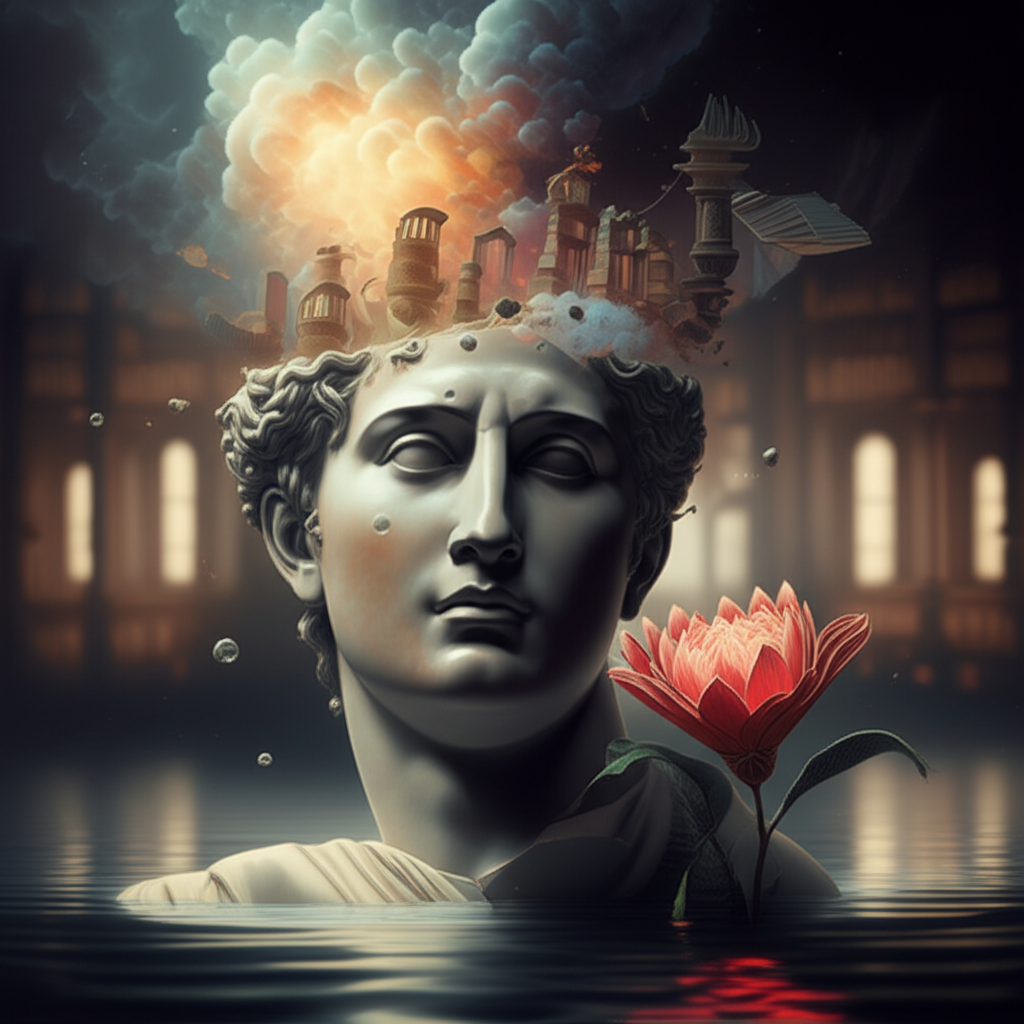
Art, in its myriad forms, is more than mere expression; it is a profound testament to the intricate workings of the human mind. At the heart of its creation and appreciation lie two foundational cognitive faculties: memory and imagination. This article explores how these interwoven powers serve not only as the wellspring of artistic inspiration but also as the very tools through which artists construct new realities and viewers engage with them, transforming raw experience into enduring beauty and meaning. From the echoes of the past to the visions of the future, art stands as a vibrant dialogue between what was and what could be.
Memory: The Archive of Artistic Inspiration
Memory is far more than a simple record-keeping device; it is a dynamic archive, constantly re-evaluated and re-contextualized by our subjective experience. For the artist, memory provides the essential raw material—the sights, sounds, emotions, and narratives accumulated over a lifetime. It is the deep well from which themes, motifs, and personal histories are drawn, grounding even the most abstract art in a relatable human context.
-
Recollection as Re-creation: Philosophers from Plato to Augustine have grappled with the nature of memory. Plato, in works like the Meno and Phaedo, posits recollection (anamnesis) as a process of remembering eternal Forms, suggesting that true knowledge is a rediscovery of what the soul already knows. While perhaps not accessing eternal truths, the artist, in a parallel fashion, draws upon a personal archive of experience to re-present, re-interpret, and re-create. A painter might recall the fleeting light of a sunset, a writer the cadence of a forgotten conversation, or a musician the emotional resonance of a childhood melody. These recollections are not passive retrievals but active engagements, shaped by the artist's current perspective and intent.
-
The Subjectivity of the Past: No two memories are identical, and no two artists recall an event in the same way. This inherent subjectivity is a powerful force in art. It allows for diverse interpretations of shared human experiences, making each piece unique. The artist's mind filters and distills, emphasizing certain details while allowing others to recede, crafting a narrative or image that reflects their inner world as much as the external event.
Imagination: The Architect of New Realities
If memory provides the foundational elements, imagination is the architect that arranges, transforms, and transcends them. It is the faculty that enables us to conceive of what is not present, what has never been, and what might yet be. Imagination elevates art beyond mere imitation, pushing the boundaries of perception and possibility.
-
Beyond Imitation: The Power of the Unreal: Aristotle, in his Poetics, discusses mimesis not as mere copying but as an imitation of action, suggesting a creative interpretation. However, it is imagination that truly liberates art from strict imitation. Immanuel Kant, in his Critique of Judgment, highlights the "free play" of imagination and understanding as central to aesthetic experience. This is where the artist's mind takes fragments of memory, blends them with abstract concepts, and invents entirely new forms, narratives, and emotions.
Consider the following ways imagination manifests in art:
- Synthesis: Combining disparate elements from memory into a coherent, novel whole (e.g., a mythological creature, a surreal landscape).
- Empathy: Imagining the feelings and perspectives of others, allowing artists to create compelling characters and narratives that resonate deeply.
- Projection: Envisioning future possibilities or alternate realities, often seen in speculative fiction, utopian art, or abstract expressions of hope and despair.
- Transformation: Taking a familiar object or concept and presenting it in an entirely new light, challenging our preconceived notions.
-
The Unseen Made Visible: Imagination allows artists to give form to the intangible—dreams, fears, desires, spiritual concepts. It is through this faculty that the artist's inner world, their unique mind's landscape, becomes accessible to others, inviting viewers into a shared space of contemplation and wonder.
The Symbiotic Relationship: Art as a Dialogue
The true power of memory and imagination in art lies not in their individual strengths but in their profound interplay. They are two sides of the same coin, constantly informing and enriching each other. Memory provides the raw material, the anchor to reality and experience, while imagination provides the wings, allowing for transcendence and innovation.
- Memory Fuels Imagination: A vivid memory of a specific emotion can be transformed by imagination into a universal theme. A recollection of a particular place can inspire the creation of an entirely fictional world. The remembered past serves as a launching pad for the imagined future.
- Imagination Reshapes Memory: Our imagination can also actively reshape our memories, filling in gaps, reinterpreting events, and even creating false recollections. In art, this means that the retelling of a historical event or personal anecdote is never purely factual but always infused with the artist's creative interpretation and imaginative embellishment. This dynamic process makes art a living, breathing entity, constantly evolving.
The Philosophical Echoes in Artistic Creation
The Great Books of the Western World are replete with discussions that underpin our understanding of memory and imagination. From Plato's exploration of Forms and their shadowy reflections in our world to Aristotle's analysis of human action and its representation, these ancient texts lay the groundwork for understanding how art functions as a bridge between the actual and the potential. Later thinkers like Kant further elucidated the role of imagination in aesthetic judgment, highlighting its active, formative power in shaping our perception of beauty. This rich philosophical heritage affirms that art is not merely decoration but a fundamental inquiry into the nature of reality, perception, and the human mind.
Conclusion: The Enduring Legacy of Inner Worlds
Ultimately, the power of memory and imagination in art lies in its capacity to expand our understanding of ourselves and the world. Through the artist's unique synthesis of recalled experience and unfettered vision, we are invited to explore the depths of our own minds, to confront shared human truths, and to dream beyond the confines of the present. Art, therefore, is an enduring testament to the human spirit's boundless capacity for creation, forever weaving the past into the fabric of an imagined future.
YouTube Video Suggestions:
-
📹 Related Video: PLATO ON: The Allegory of the Cave
Video by: The School of Life
💡 Want different videos? Search YouTube for: "Plato's Theory of Art and Mimesis Explained"
-
📹 Related Video: KANT ON: What is Enlightenment?
Video by: The School of Life
💡 Want different videos? Search YouTube for: "Kant's Aesthetics: Imagination and the Beautiful"