

The Unseen Architect: How Language Forges Opinion
Language is more than a mere vehicle for thought; it is the very forge upon which opinion is hammered into being. Far from being a neutral conduit, language, through its intricate weave of signs and symbols and the strategic application of rhetoric, actively shapes our perceptions, frames our understanding, and ultimately dictates the contours of individual and collective belief. As thinkers throughout the Great Books of the Western World have long observed, to master language is to hold the reins of the human mind, guiding it towards specific interpretations and conclusions. This article delves into the profound mechanisms by which language wields this formidable power.
The Foundation of Thought: Signs, Symbols, and Meaning
At the heart of language's power lies its fundamental components: signs and symbols. A sign is often a direct indicator, a natural or conventional mark that points to something else (smoke is a sign of fire). A symbol, however, is a more complex and potent entity – an arbitrary representation that derives its meaning from shared human convention and cultural context.
Consider the word "justice." It is not a physical object but a symbol loaded with millennia of philosophical debate, legal precedent, and moral aspiration. The very act of uttering or hearing this word immediately conjures a web of associated concepts, values, and emotions. The specific way "justice" is defined, described, or contrasted with "injustice" through language directly influences how individuals and societies form their opinion on matters of law, ethics, and social structure.
- Signs: Often direct and less ambiguous, forming the rudimentary layer of communication.
- Symbols: Abstract, culturally embedded, and highly susceptible to varied interpretation, making them powerful shapers of opinion.
The choice of a particular word, a specific metaphor, or even the grammatical structure of a sentence can subtly or overtly guide the interpretation of reality. To call someone a "freedom fighter" versus a "terrorist," for instance, uses different symbols to evoke vastly different opinions about the same individual's actions. This demonstrates that language doesn't just describe reality; it actively constructs it within our minds.
Rhetoric: The Art of Persuading Minds
If signs and symbols are the raw materials of meaning, then rhetoric is the master craftsmanship that molds them into persuasive arguments designed to create or alter opinion. From the Sophists of ancient Greece to modern political discourse, rhetoric has been understood as the art of effective communication, particularly in its capacity to sway an audience. Aristotle, in his seminal work Rhetoric, meticulously dissected the tools available to an orator, categorizing them into ethos (appeals to character), pathos (appeals to emotion), and logos (appeals to logic).
The power of rhetoric lies in its ability to:
- Frame Issues: By choosing specific words and presenting information in a particular context, speakers can define how an issue is understood. For example, framing a tax as an "investment in our future" rather than a "burden on taxpayers" can significantly shift public opinion.
- Evoke Emotion: Skilled rhetoricians understand that human opinion is often guided by feeling as much as by reason. Through vivid imagery, compelling narratives, and emotive language, they can stir sentiments of hope, fear, anger, or compassion, thereby aligning an audience with a particular viewpoint.
- Establish Credibility: The perceived trustworthiness and authority (ethos) of the speaker, largely conveyed through their language, tone, and presentation, profoundly impacts the reception of their message and the formation of opinion.
Consider a political debate. Each participant employs carefully chosen language and rhetoric to present their arguments, dissect their opponent's, and ultimately cultivate a favorable opinion among the electorate. They are not merely stating facts; they are constructing a narrative designed to resonate and persuade.
| Rhetorical Device | Description | Impact on Opinion |
|---|---|---|
| Metaphor | Comparing two unlike things to create deeper meaning | Shapes perception, offers new insights, simplifies complex ideas |
| Analogy | Explaining a complex idea by comparing it to a simpler one | Enhances understanding, makes arguments more relatable |
| Repetition | Repeating words or phrases for emphasis | Reinforces key messages, aids memorability, builds conviction |
| Hyperbole | Exaggeration for effect | Creates drama, evokes strong emotional responses |
| Framing | Presenting information in a specific context | Guides interpretation, highlights certain aspects, downplays others |
The Philosophical Weight of Words
The profound implications of language in shaping opinion demand a philosophical reckoning. If our understanding of reality, our moral compass, and our collective decisions are so deeply intertwined with the words we use and encounter, then the responsibility of both speaker and listener becomes immense.
Plato, grappling with the persuasive power of the Sophists, warned against the deceptive allure of rhetoric divorced from truth. He argued for a philosophical pursuit of genuine knowledge, where language serves as a tool for uncovering universal forms rather than manipulating perceptions. Later thinkers, from Locke's exploration of ideas and words to Hume's analysis of human understanding, continued to probe how our linguistic frameworks influence what we believe to be true or false, good or bad.
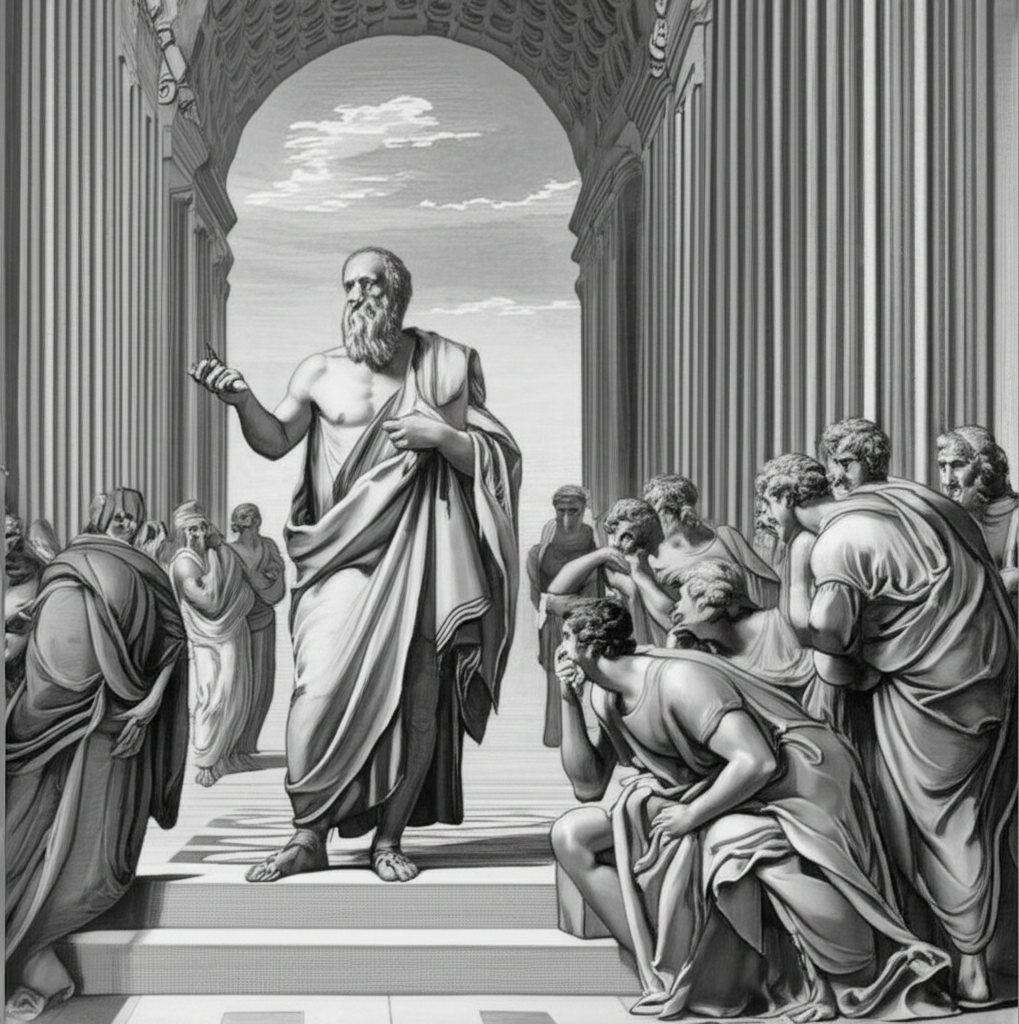
The power of language to create opinion is thus not merely a linguistic phenomenon but a fundamental philosophical challenge. It compels us to critically examine the origins of our beliefs, to question the narratives presented to us, and to wield our own words with precision and ethical consideration. In an age saturated with information, understanding this power is more crucial than ever for navigating the complex tapestry of human thought and belief.
The Enduring Influence
In conclusion, language stands as an unparalleled force in the creation of opinion. From the fundamental building blocks of signs and symbols that define our very reality, to the sophisticated strategies of rhetoric that guide our judgments, words are not inert sounds or marks. They are dynamic agents that sculpt our individual minds and forge the collective consciousness of societies. To ignore this power is to remain blind to the most pervasive influence on human thought. To understand it, however, is to gain a profound insight into the mechanics of belief and the enduring philosophical challenge of truth.
📹 Related Video: What is Philosophy?
Video by: The School of Life
💡 Want different videos? Search YouTube for: ""The Philosophy of Language and Reality""
📹 Related Video: ARISTOTLE ON: The Nicomachean Ethics
Video by: The School of Life
💡 Want different videos? Search YouTube for: ""Aristotle's Rhetoric Explained: Persuasion and Opinion""