

The Unseen Brushstroke: How Imagination Breathes Life into Art
Summary: At the very heart of artistic creation lies the formidable power of imagination. Far from a mere flight of fancy, imagination is the essential faculty that transforms raw experience and abstract thought into tangible art, imbuing it with beauty and giving it discernible form. It is the bridge between the artist's inner world and the external expression, a dynamic interplay with memory and imagination that shapes our perception and allows us to transcend the mundane. This article delves into how imagination not only sparks the initial creative impulse but also guides the entire artistic process, from conception to the audience's profound engagement.
The Architect of Worlds Unseen: Imagination's Primal Role
The canvas, the clay, the blank page – these are but inert materials awaiting the spark of human ingenuity. That spark, that initial tremor of creation, is invariably ignited by imagination. It is the artist's inner eye, capable of conjuring images, sounds, and sensations that do not yet exist in the physical realm. Before a single line is drawn or a note played, there is a mental construction, a vivid pre-visualization that guides the hand.
This isn't simply about inventing something new; it's about seeing potential, perceiving connections, and envisioning possibilities beyond immediate reality. Art, in its most profound sense, is an act of bringing the unseen into being, and imagination is its primary architect. It allows artists to:
- Synthesize diverse elements: Combining disparate ideas, emotions, and observations into a coherent whole.
- Project future states: Imagining what could be, rather than merely what is.
- Empathize and inhabit other perspectives: Stepping into the shoes of characters, experiencing different eras, or understanding alien landscapes.
The Intertwined Tapestry: Memory and Imagination
One cannot speak of imagination in art without acknowledging its profound relationship with memory and imagination. Memory provides the vast repository of experiences, sensations, and knowledge that feed the imaginative faculty. It is the wellspring from which new ideas are drawn, often unconsciously. An artist's unique perspective, their particular style, and the depth of their expression are deeply rooted in their personal history and accumulated memories.
Consider a landscape painter. While they might depict a scene from reality, their imagination doesn't merely copy it. Instead, it filters, rearranges, emphasizes, and even invents, drawing on past memories of light, texture, emotion, and atmosphere. The familiar becomes novel, the ordinary extraordinary, through this alchemical process.
- Memory as Raw Material: Providing visual, auditory, tactile, and emotional data.
- Imagination as the Sculptor: Shaping, transforming, and recontextualizing that raw material.
This dynamic interplay is crucial. Without memory, imagination might lack substance; without imagination, memory would remain a static archive, incapable of generating novel forms or interpretations. Together, they create a rich inner world from which art emerges, allowing for both profound originality and resonant familiarity.
Form and the Pursuit of Beauty: Imagination's Guiding Hand
The journey from an abstract idea to a concrete work of art is fundamentally about giving it form. Imagination is the faculty that translates the ephemeral into the tangible, shaping chaotic impulses into structured expressions. Whether it’s the composition of a painting, the narrative arc of a story, or the rhythmic structure of a musical piece, imagination is responsible for the aesthetic choices that define its form.
This deliberate shaping is often driven by an innate human aspiration towards beauty. But what is beauty? In the context of art, imagination allows us to perceive and create beauty not just as superficial pleasantness, but as a deeper harmony, a resonance, or a sublime tension that evokes a profound response.
Table: Imagination's Role in Shaping Artistic Form and Beauty
| Aspect of Art | Imagination's Contribution | Outcome for Beauty/Form |
|---|---|---|
| Composition | Envisioning spatial relationships, balance, and flow. | Creates visual harmony, guiding the eye, establishing form. |
| Narrative | Constructing plots, developing characters, foreseeing outcomes. | Builds compelling stories, reveals profound truths, shapes narrative form. |
| Rhythm/Melody | Conceiving patterns of sound, emotional arcs, and sonic textures. | Generates auditory pleasure, evokes feeling, defines musical form. |
| Symbolism | Imbuing objects or actions with deeper, non-literal meaning. | Elevates mere representation to profound significance, enriching beauty. |
Through imagination, artists strive to capture not just the appearance of things, but their essence, their ideal form, or their potential beauty. This often involves abstracting, simplifying, or exaggerating reality to reveal a deeper truth or evoke a specific emotion.
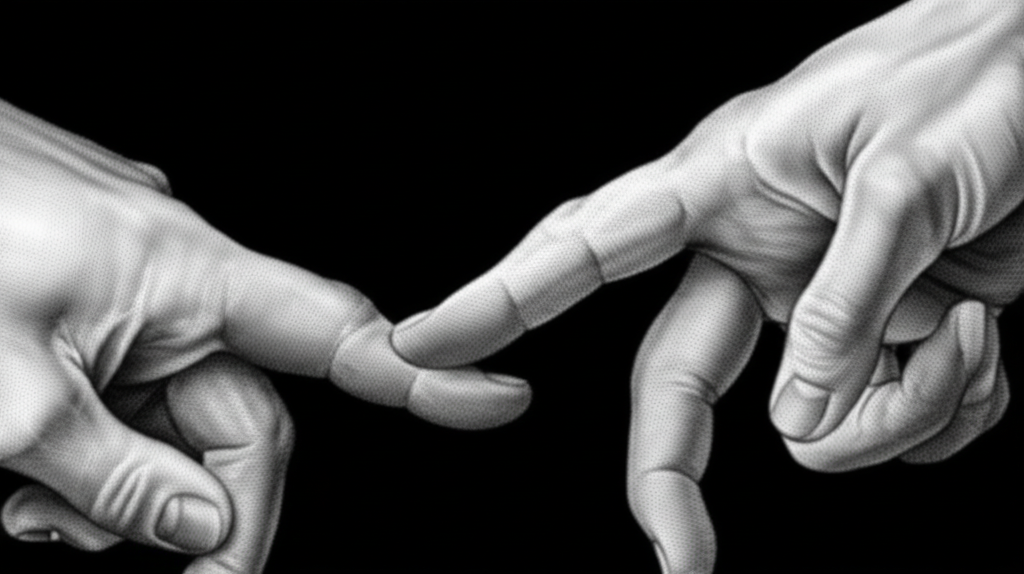
The Viewer's Share: Completing the Artistic Act
The power of imagination in art is not solely the domain of the creator. It extends vitally to the spectator, reader, or listener. When we engage with a work of art, our own memory and imagination are called upon to complete the experience. A painting might suggest a mood, but it is our imagination that fills in the details, connects it to our own experiences, and allows us to feel its full emotional weight. A story provides a framework, but our imagination visualizes the characters, hears their voices, and feels their struggles.
This active participation is what makes art a dynamic dialogue rather than a static presentation. It's why different individuals can derive different meanings and experiences from the same work. The form and beauty presented by the artist are merely invitations for the audience's imagination to take flight, to interpret, to question, and to connect on a personal level.
This collaborative act underscores the profound human capacity for imaginative engagement, turning passive observation into an active, enriching, and often transformative experience.
Conclusion: The Indispensable Engine of Creation and Understanding
From the initial spark of an idea to the profound impact it has on an audience, imagination is the indispensable engine of art. It orchestrates the interplay between memory and imagination, giving rise to novel forms and transcendent beauty. Whether in Plato's ideal forms or Kant's aesthetic judgment, the power to conceive beyond immediate perception has always been central to philosophical inquiries into art. It is the faculty that allows us to not only represent the world but to reshape it, to explore its hidden depths, and to articulate visions that elevate the human spirit. Without imagination, art would be a mere imitation; with it, art becomes a boundless realm of creation, understanding, and endless wonder.
YouTube Video Suggestions:
-
📹 Related Video: PLATO ON: The Allegory of the Cave
Video by: The School of Life
💡 Want different videos? Search YouTube for: ""Plato's Theory of Forms and Art Explained""
-
📹 Related Video: ARISTOTLE ON: The Nicomachean Ethics
Video by: The School of Life
💡 Want different videos? Search YouTube for: ""The Role of Imagination in Creativity and Innovation""