

The Political Structure of Ancient Aristocracy: A Rule of the "Best"
The concept of Aristocracy, derived from the Greek aristokratia meaning "rule of the best," represents a fascinating and complex chapter in the History of political thought and governance. Far from a monolithic system, ancient aristocracy encompassed a spectrum of political structures where power was theoretically, and often practically, held by a select group of individuals deemed superior by birth, wealth, wisdom, or military prowess. This article delves into the foundational principles, historical manifestations, and philosophical interpretations of the aristocratic State, drawing insights from the enduring wisdom of the Great Books of the Western World.
Defining Ancient Aristocracy: Beyond Mere Elitism
At its core, ancient aristocracy was envisioned as a Government where the most virtuous and capable citizens guided the State. This ideal, however, frequently collided with the realities of inherited privilege and concentrated wealth. Unlike a democracy, where power theoretically rests with the many, or an oligarchy, which is simply rule by the few wealthy, true aristocracy aspired to be a Government by the best – those most fit to rule for the common good.
- Ideal vs. Reality: While the philosophical ideal emphasized merit and virtue, historical aristocracies often became hereditary systems where power was passed down through noble families, sometimes blurring the lines with oligarchy.
- The Role of Birth and Wealth: In many ancient States, belonging to a distinguished lineage or possessing significant land and resources were prerequisites for aristocratic status, providing both the leisure for civic engagement and the means to command influence.
Core Characteristics of the Aristocratic State
The political structure of an ancient aristocracy was characterized by several recurring features that shaped its governance and societal impact.
1. The Council of Elders or Nobles
Central to most aristocratic Governments was a council composed of leading aristocratic families. This body typically held significant legislative, judicial, and executive powers.
- Examples:
- The Gerousia of Sparta: A council of 28 men over 60 years old, elected for life, who prepared legislation and served as a high court.
- The Roman Senate (early Republic): Initially dominated by patrician families, it wielded immense authority and prestige, guiding the State through its early centuries.
2. Emphasis on Virtue and Public Service
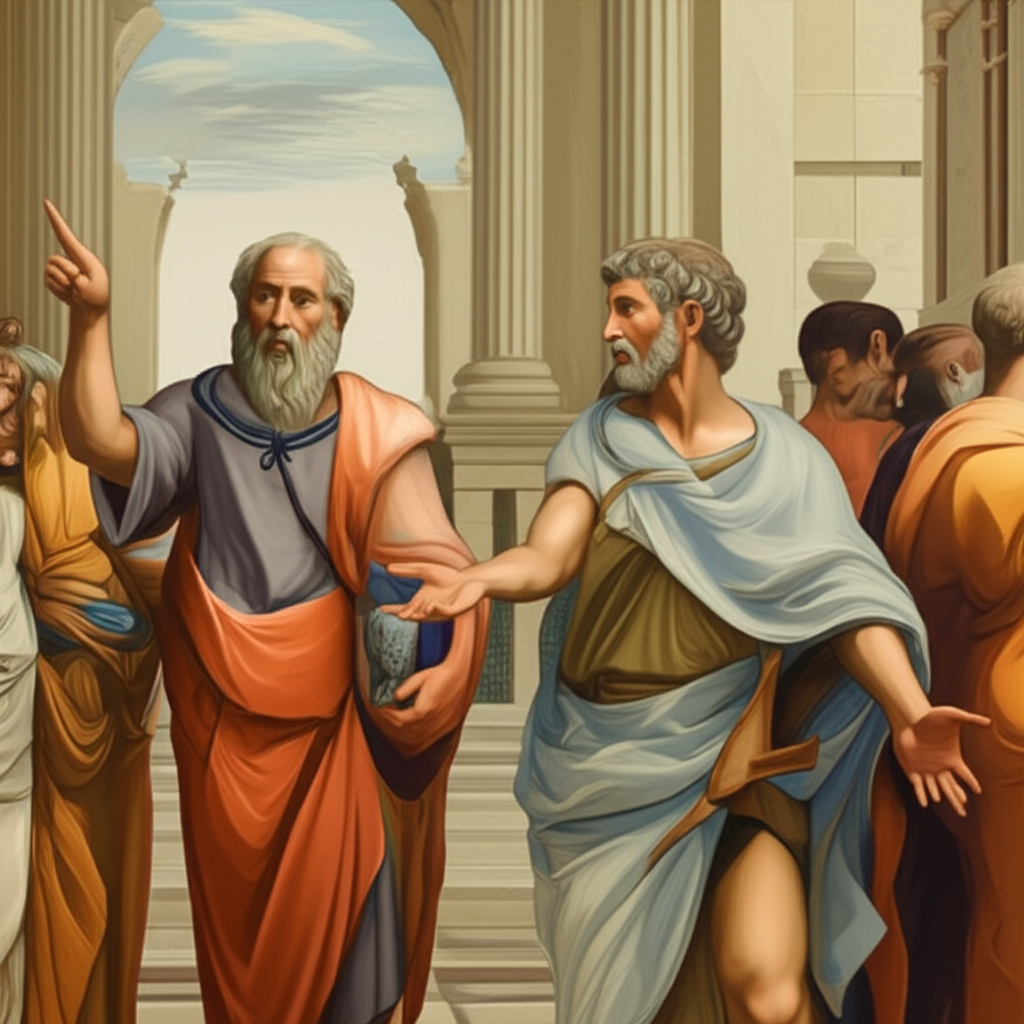
Philosophers like Plato and Aristotle, while acknowledging its potential for corruption, often lauded the theoretical commitment of aristocracy to virtue (aretē) and the pursuit of the common good. The "best" were expected to rule not for personal gain but for the welfare of the citizenry.
- Plato's Philosopher-Kings: In his Republic, Plato envisions an ideal State ruled by philosopher-kings, an extreme form of meritocratic aristocracy where the most rational and wise individuals, trained from birth, govern without private property or family ties, solely for justice.
3. Hereditary Succession and Social Hierarchy
Despite the ideal of merit, the practical History of aristocracy often saw power concentrated within specific families. Social stratification was a defining feature, with distinct classes of nobles, free citizens, and sometimes slaves.
- Maintenance of Power: Aristocratic families often maintained their influence through strategic alliances, control of religious offices, and command of military forces, ensuring their lineage continued to dominate the Government.
Philosophical Perspectives on Aristocracy
The Great Books of the Western World offer profound insights into the nature, strengths, and weaknesses of aristocratic Government.
Plato: The Ideal and Its Decline
In The Republic, Plato outlines an ideal aristocracy of philosopher-kings as the most just form of Government. He believed that only those with true wisdom and understanding of the Forms could lead the State to virtue. However, Plato also posited a cyclical degeneration of Governments, where aristocracy could decay into:
- Timocracy: Rule by honor-lovers, driven by military ambition.
- Oligarchy: Rule by the wealthy few, prioritizing money over virtue.
- Democracy: Rule by the many, leading to excessive freedom and disorder.
- Tyranny: Rule by a single despot, emerging from the chaos of democracy.
Aristotle: Categorizing Good and Deviant Forms
Aristotle, in Politics, provided a more empirical and systematic analysis of Governments. He classified aristocracy as one of the "good" forms of Government, alongside kingship and polity (constitutional Government), where rulers aim for the common good.
- Aristotle's Classification Table:
| Number of Rulers | Good Form (Ruling for Common Good) | Deviant Form (Ruling for Self-Interest) |
|---|---|---|
| One | Kingship | Tyranny |
| Few | Aristocracy | Oligarchy |
| Many | Polity | Democracy |
Aristotle recognized that true aristocracy was rare, often devolving into oligarchy when the "best" were defined solely by wealth rather than virtue. He saw polity, a mixed Government blending elements of aristocracy and democracy, as the most stable and practical ideal for many States.
The Evolution and Decline of Aristocratic States
The History of ancient aristocracy is one of constant flux. Many States that began with aristocratic structures eventually transitioned to other forms of Government, often due to internal conflicts or external pressures.
- Internal Strife: Tensions between aristocratic factions, or between the aristocracy and the common people (the demos), frequently led to civil unrest and political upheaval.
- Rise of New Classes: The growth of trade, industry, and new forms of wealth could challenge the traditional land-based power of the aristocracy, empowering new classes who demanded a share in Government.
- Military Changes: Shifts in military technology or strategy could diminish the aristocracy's traditional role as warrior elites, opening up opportunities for broader citizen participation.
Legacy in Political Thought
Despite its eventual decline in many ancient States, the concept of aristocracy left an indelible mark on political philosophy. The ideal of a Government guided by the most capable and virtuous, the pursuit of excellence in leadership, and the careful consideration of who should rule have remained central questions in political theory, influencing thinkers for millennia. The struggle to reconcile merit with birthright, and the common good with self-interest, continues to resonate in contemporary discussions about governance and leadership.
YouTube Suggestions:
-
📹 Related Video: PLATO ON: The Allegory of the Cave
Video by: The School of Life
💡 Want different videos? Search YouTube for: "Plato's Republic Summary - Philosophy Core Concepts"
2. ## 📹 Related Video: ARISTOTLE ON: The Nicomachean Ethics
Video by: The School of Life
💡 Want different videos? Search YouTube for: "Aristotle's Politics - Forms of Government Explained"