

The Political Structure of Ancient Aristocracy: A Quest for the Best
The concept of aristocracy, as explored in foundational texts like those within the Great Books of the Western World, presents a fascinating and often idealized form of government. At its core, ancient aristocracy was envisioned as the rule of the best – not merely the wealthiest or most powerful, but those deemed superior in virtue, wisdom, or lineage, guiding the State towards its highest potential. This article delves into the historical and philosophical underpinnings of this political structure, examining its characteristics, justifications, and the inherent tensions that often led to its transformation. We will explore how these early forms of government shaped the course of history and continue to inform our understanding of political ideals.
The Ideal: Rule by Virtue and Wisdom
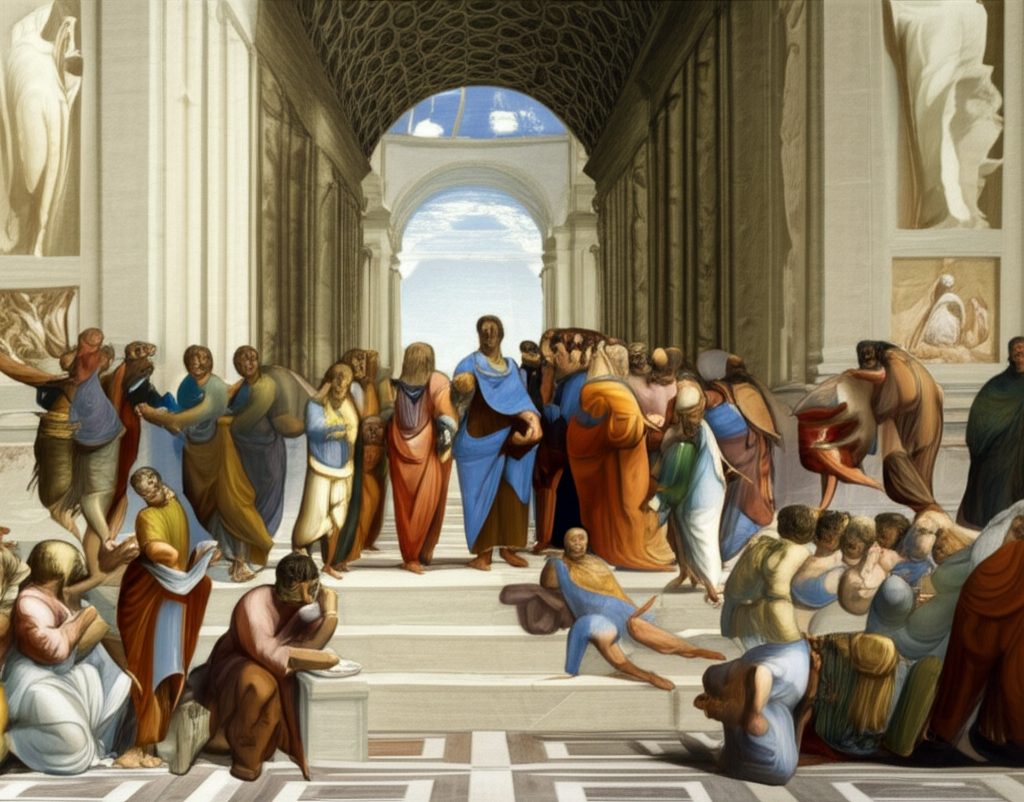
In the philosophical tradition, particularly through the lens of figures like Plato and Aristotle, aristocracy was posited as a highly desirable form of government. It was seen as a system where the most capable and virtuous individuals, possessing superior intellect and moral character, were entrusted with the reins of power. This wasn't merely about birthright, though that often played a significant role, but about a perceived inherent excellence that qualified them to lead.
- Philosophical Justification: The belief was that only those with a deep understanding of justice and the common good could truly govern effectively, ensuring the well-being and flourishing of the entire State. This ideal stands in stark contrast to other forms of rule, such as tyranny (rule by one for self-interest) or democracy (rule by the many, which could devolve into mob rule).
- The Pursuit of Excellence: Ancient aristocratic societies often emphasized the cultivation of virtue, honor, and civic duty among their ruling class. Education, military training, and philosophical contemplation were seen as crucial for producing leaders worthy of the title "aristocrat."
Foundations of Aristocratic Government: Structure and Authority
The practical implementation of ancient aristocracy varied across different civilizations and periods, yet certain structural commonalities can be observed.
Who Held Power?
Typically, power resided with a select group, often referred to as the nobles or patricians. These were families distinguished by:
- Lineage and Birthright: Membership was often inherited, suggesting a belief in inherited virtue or divine favor.
- Land Ownership: Wealth, particularly in land, frequently coincided with noble status, providing economic stability and influence.
- Military Prowess: The aristocratic class often formed the core of the military, especially the cavalry or heavy infantry, giving them significant martial authority.
- Religious Authority: In some societies, the aristocratic families also held important priestly roles, further cementing their power through spiritual sanction.
Characteristics of the Aristocratic State
| Characteristic | Description | Example (Conceptual) |
|---|---|---|
| Limited Franchise | Political participation was restricted to the aristocratic class, sometimes extending to other propertied citizens. | Only noble families could hold magistracies. |
| Emphasis on Tradition | Laws and customs were often deeply rooted in ancestral practices and religious beliefs, providing stability. | Adherence to ancient laws and unwritten customs. |
| Hierarchical Society | Clear social strata with the aristocratic class at the apex, maintaining order through established ranks. | Distinct classes of citizens, with different rights/duties. |
| Public Service Ethos | Aristocrats were expected to serve the State through military, political, or religious duties, often without direct pay. | Magistrates serving without salary, for honor. |
| Patronage Systems | Relationships between powerful aristocrats and their clients (lesser citizens) were crucial for social cohesion and political influence. | A noble protecting and providing for his clients in exchange for loyalty. |
The Evolution and Challenges of Aristocracy in History
While the ideal of aristocracy was appealing, its practical manifestation in history often faced significant challenges and internal contradictions. The rule of the "best" frequently devolved into the rule of the "few" – specifically, the wealthy few.
From Aristocracy to Oligarchy
Aristotle, in his Politics, meticulously distinguishes between a true aristocracy (rule by the virtuous few) and an oligarchy (rule by the wealthy few). He observed that the ideal was difficult to sustain:
- Corruption of Virtue: Over time, the focus shifted from inherited virtue to inherited wealth. Families who were once distinguished by their service or wisdom became entrenched by their riches, leading to a system where wealth, not merit, determined leadership.
- Exclusion and Discontent: As power became concentrated in fewer hands, and entry into the ruling class became more restricted, resentment grew among other segments of the population – the growing merchant class, skilled artisans, and common citizens who felt disenfranchised.
- Internal Strife: Competition and rivalries among aristocratic families themselves could destabilize the State, leading to factionalism and civil conflict.
Historical Examples
- Sparta: While often admired for its disciplined military structure, Sparta's government was an oligarchy, ruled by a small council of elders (Gerousia) and ephors, with a limited number of citizens holding full political rights. Its aristocracy was one of land and military tradition, but not necessarily of broad civic virtue as idealized.
- Early Rome: The Roman Republic began with a strong aristocratic element, where patrician families dominated the consulship and the Senate. Over centuries, the struggle between patricians and plebeians (the common people) gradually led to reforms that expanded political participation, but the influence of the aristocratic families remained profound throughout the Republic's history.
- Greek City-States: Many Greek city-states, prior to their democratic experiments (like Athens), were governed by aristocracies or oligarchies. The tension between inherited power and emerging popular demands was a constant theme in their political development.
The Legacy of Ancient Aristocracy
Despite its eventual decline or transformation into other forms of government, the ancient aristocratic model left an indelible mark on political thought. It highlighted the importance of leadership quality, the potential for a State to be guided by wisdom, and the perpetual challenge of preventing power from corrupting those who hold it. The debates surrounding aristocracy, as recorded in the Great Books, continue to inform discussions about meritocracy, the role of elites, and the ideal structure of a just State.
Understanding the political structure of ancient aristocracy is not merely an exercise in history; it is a philosophical journey into the aspirations and realities of early political systems, offering insights into the enduring quest for good government.
📹 Related Video: PLATO ON: The Allegory of the Cave
Video by: The School of Life
💡 Want different videos? Search YouTube for: ""Aristotle Politics Book 3 - Forms of Government" or "Plato's Republic - The Ideal State""