

The Enduring Quest: Understanding the Political Philosophy of Liberty
The concept of Liberty stands as a cornerstone of political Philosophy, a beacon guiding countless debates on justice, governance, and the very nature of human flourishing. At its core, the political Philosophy of Liberty grapples with the fundamental question of how individuals can live freely within an organized society, particularly in relation to the power and authority of the State. It's a journey through centuries of thought, from ancient Greek ideals of civic participation to modern declarations of individual rights, all seeking to delineate the boundaries between personal autonomy and collective order. This article explores the historical trajectory and multifaceted interpretations of Liberty, examining its intricate relationship with Law and the State, drawing upon the foundational texts that have shaped Western thought.
The Foundations of Freedom: Liberty in Classical Thought
The seeds of Liberty as a political ideal were sown early in Western civilization. While not always framed in the individualistic terms we understand today, the ancient Greeks, as documented by thinkers like Plato and Aristotle in the Great Books of the Western World, explored the conditions for a virtuous life within the polis. For them, Liberty often meant the freedom of citizens to participate in public life, to be self-governing in a collective sense, rather than subjects of a monarch. Aristotle, in particular, considered the ideal State one that allowed citizens to achieve their full potential, implying a certain freedom from arbitrary rule.
The Roman tradition, through its emphasis on Law, further contributed to the conceptualization of Liberty. Roman Law provided a framework of rights and duties, offering a degree of predictability and protection from capricious power, even if full individual Liberty as we know it was far from realized. The development of natural Law theories, later elaborated by figures like Aquinas, suggested that certain rights and freedoms were inherent to human nature, preceding any State or human decree.
The Enlightenment's Revolution: Individual Liberty and the State
The Enlightenment era marked a profound shift in the political Philosophy of Liberty, placing the individual firmly at its center. Thinkers like John Locke, whose ideas profoundly influenced modern democratic thought, argued that individuals possess natural rights—life, Liberty, and property—that pre-exist the State. For Locke, the State is formed through a social contract to protect these rights, and its authority is legitimate only insofar as it upholds them. When the State infringes upon these fundamental liberties, the people have a right to resist.
Jean-Jacques Rousseau, while often associated with collective Liberty and the general will, also grappled with the tension between individual freedom and societal demands. His concept of "forcing men to be free" highlights the complex relationship between individual desires and the common good, a debate that continues to challenge our understanding of Liberty.
Later, John Stuart Mill, a towering figure in liberal thought, championed individual Liberty with his famous "harm principle." In On Liberty, Mill argued that society or the State can only legitimately interfere with an individual's freedom of action to prevent harm to others. This robust defense of individual autonomy, particularly in matters of thought, expression, and lifestyle, became a cornerstone of modern liberal Philosophy.
Liberty, Law, and the State: A Delicate Balance
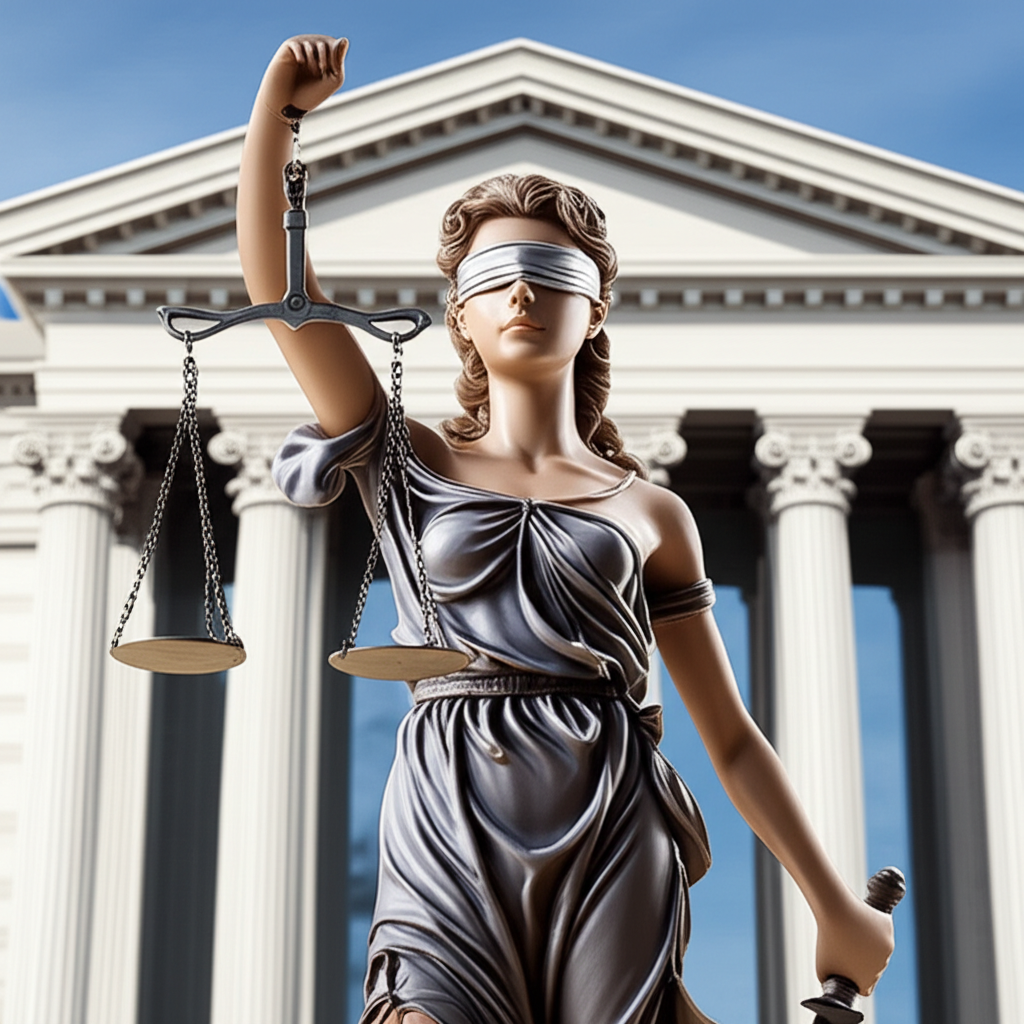
The relationship between Liberty, Law, and the State is perhaps the most critical and contentious area within this political Philosophy. Is Law a constraint on Liberty, or its necessary guarantor?
- Law as a Protector of Liberty: Many philosophers argue that a just legal framework is essential for Liberty. Without Law, society risks descending into chaos, where the strong can oppress the weak, effectively destroying the Liberty of all but the most powerful. A system of clear, consistent, and impartially applied Law provides the predictability and security necessary for individuals to exercise their freedoms without fear of arbitrary interference. It sets boundaries that prevent one person's Liberty from encroaching upon another's.
- Law as a Constraint on Liberty: Conversely, Law by its very nature imposes limitations on individual action. Every prohibition, every regulation, represents a restriction on what one can do. The challenge for political Philosophy is to determine which limitations are legitimate and necessary for a free society, and which constitute an unwarranted infringement on Liberty. This is where the debate between different conceptions of Liberty becomes crucial.
Two Faces of Freedom: Negative and Positive Liberty
Isaiah Berlin, a prominent 20th-century philosopher, famously distinguished between two concepts of Liberty:
- Negative Liberty: This refers to freedom from external interference. It is the absence of obstacles, barriers, or constraints. When we speak of freedom of speech, freedom of religion, or freedom from arbitrary arrest, we are generally referring to negative Liberty. The State's role in protecting negative Liberty is primarily to refrain from interfering with individual choices, and to prevent others from doing so.
- Positive Liberty: This refers to freedom to do something, to be one's own master, to realize one's potential. It is about the presence of opportunities and the capacity to act. For example, access to education, healthcare, or a minimum standard of living might be considered conditions for positive Liberty, enabling individuals to genuinely pursue their life goals. The State's role in promoting positive Liberty is often more interventionist, requiring active provision of resources or creation of conditions.
The tension between negative and positive Liberty is a central theme in modern political Philosophy. Advocates of negative Liberty often emphasize minimal State intervention, while proponents of positive Liberty may argue for a more robust welfare State to ensure that all citizens have the genuine capacity to be free.
The Ongoing Dialogue: Liberty in the Modern World
The political Philosophy of Liberty remains a vibrant and contested field. In our contemporary world, new challenges continually force us to re-examine our understanding of freedom:
- Digital Liberty: How do privacy concerns, data surveillance, and the control of information affect individual Liberty in the digital age?
- Economic Liberty: What is the proper balance between free markets and economic equality? Does economic disparity undermine true Liberty?
- Global Liberty: How do international relations, human rights, and the rise of authoritarian regimes impact the global pursuit of Liberty?
These questions, like those debated by the great thinkers of the past, underscore that Liberty is not a static concept but an evolving ideal that demands continuous philosophical inquiry and practical application. Understanding its multifaceted nature, its historical lineage, and its intricate relationship with Law and the State is crucial for anyone seeking to engage with the enduring quest for a just and free society.
📹 Related Video: ARISTOTLE ON: The Nicomachean Ethics
Video by: The School of Life
💡 Want different videos? Search YouTube for: ""John Locke on Liberty and Government Explained""
📹 Related Video: KANT ON: What is Enlightenment?
Video by: The School of Life
💡 Want different videos? Search YouTube for: ""Isaiah Berlin Two Concepts of Liberty Summary""