

The Philosophical Role of the Citizen: A Call to Deliberation
The concept of the citizen transcends mere legal status; it is a profound philosophical construct, deeply interwoven with our understanding of the State, society, and individual duty. From ancient Greek polis to modern democratic republics, philosophers have grappled with what it means to be a truly engaged and responsible member of a community. This article explores the enduring philosophical underpinnings of citizenship, arguing that it demands active deliberation, ethical awareness, and a commitment to the common good, far beyond the confines of a ballot box.
Beyond the Ballot Box: The Philosophical Citizen
To be a citizen is to be more than just an inhabitant or a taxpayer. It signifies a reciprocal relationship between the individual and the State, a bond forged in shared values and mutual responsibilities. This relationship has been a central concern of philosophy for millennia, shaping our understanding of governance, justice, and human flourishing. The philosophical citizen is one who understands their place within the political fabric, recognizing both their rights and their inherent duty to contribute to the well-being of the collective.
The Ancient Roots of Civic Engagement: Plato and Aristotle
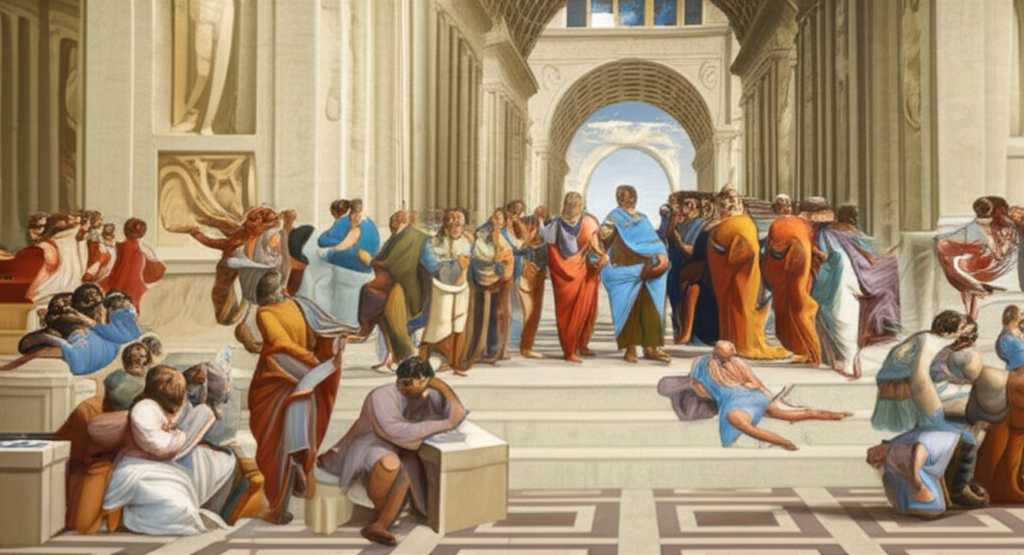
The foundations of our understanding of the citizen are deeply embedded in the thought of ancient Greece. For thinkers like Plato and Aristotle, the polis (city-state) was the crucible in which human potential was realized.
- Plato's Republic: In Plato's ideal State, citizenship was not universal but tied to specific roles and virtues. The citizen was expected to fulfill their designated duty for the harmony of the whole, whether as a producer, a soldier, or a philosopher-king. Individual happiness was inextricably linked to the justice and order of the State.
- Aristotle's Politics: Aristotle famously declared man a "political animal" (zoon politikon), asserting that human nature finds its fullest expression within the community. For him, the citizen was someone who shared in the administration of justice and in holding public office. It was an active, participatory role, demanding aretê (virtue) and practical wisdom. The duty of the citizen was to participate in the life of the polis, contributing to its laws and its governance.
These ancient perspectives establish a crucial philosophical precedent: citizenship is not passive; it is an active engagement with the State, driven by a commitment to collective flourishing.
From Subject to Sovereign: The Enlightenment's Reimagining of the Citizen
The Enlightenment brought a revolutionary shift in the philosophical understanding of the citizen. The focus moved from the duty to an established hierarchy towards the inherent rights of the individual and the concept of popular sovereignty. Thinkers like John Locke and Jean-Jacques Rousseau were instrumental in this transformation.
- John Locke's Social Contract: Locke argued that individuals possess natural rights (life, liberty, property) that pre-exist the State. The State is formed through a social contract to protect these rights. The citizen grants consent to be governed, but retains the right to resist tyranny if the State fails in its duty. Here, the citizen's duty is balanced by the State's obligation to protect their freedoms.
- Jean-Jacques Rousseau's General Will: Rousseau posited that true liberty lies in obedience to laws that individuals prescribe for themselves. The citizen is both subject and sovereign, participating in the formation of the "general will" – the common good. This demands a profound philosophical commitment from each citizen to prioritize the collective interest over private desires.
This era cemented the idea that the citizen is not merely a subject but a co-creator of the political order, endowed with rights and a profound duty to shape the State.
The Modern Dilemma: Balancing Rights and Duty
In contemporary societies, the philosophical role of the citizen continues to evolve amidst complex challenges. The tension between individual rights and collective duty remains a central concern.
- Individual Liberty vs. Collective Responsibility: How much personal freedom can be sacrificed for the common good? What are the citizen's duties regarding environmental protection, public health, or social justice? These are not merely policy questions but deep philosophical quandaries.
- The State's Role in Fostering Citizenship: What is the State's duty to educate and empower its citizens to participate meaningfully? Is it enough to provide legal frameworks, or must it actively cultivate civic virtue and critical thinking?
- Global Citizenship: In an interconnected world, the philosophical scope of citizenship expands beyond national borders. What are the duties of a citizen to humanity as a whole?
These questions underscore the ongoing philosophical imperative for citizens to engage critically with their societies and the State.
The Citizen as a Moral Agent: A Call to Philosophy
Ultimately, the philosophical role of the citizen is to be an active moral agent within the political sphere. This requires more than just obedience to laws; it demands a continuous process of inquiry, reflection, and ethical engagement.
Key aspects of this role include:
- Critical Thinking: The citizen's duty to question power, scrutinize information, and engage in informed debate, rather than passively accepting narratives.
- Ethical Deliberation: Participating in discussions about justice, fairness, and the common good, bringing a philosophical lens to policy and social issues.
- Active Participation: Beyond voting, this includes community involvement, advocacy, and holding elected officials accountable.
- Self-Governance: The philosophical citizen understands that true liberty involves a capacity for self-rule, both individually and collectively.
This active engagement strengthens the State and ensures it remains aligned with the aspirations of its citizens.
📹 Related Video: PLATO ON: The Allegory of the Cave
Video by: The School of Life
💡 Want different videos? Search YouTube for: ""Plato's Republic citizenship philosophy", "Social Contract Theory explained Locke Rousseau""
Conclusion: An Enduring Philosophical Imperative
The philosophical role of the citizen is a dynamic and demanding one. It is a call to intellectual rigor, ethical responsibility, and active participation in the life of the State. Drawing from the enduring wisdom of the Great Books of the Western World, we see that citizenship is not a static status but an ongoing duty to deliberate, question, and contribute to the flourishing of the community. In an age of increasing complexity, the need for thoughtful, engaged, and philosophically aware citizens is more vital than ever.