

The Philosophical Role of the Citizen: A Call to Deliberation
Summary: The philosophical role of the citizen transcends mere legal status; it is an active, reflective engagement with the State and society, rooted in a deep understanding of one's duty and rights. From ancient Greek city-states to modern democracies, philosophy has consistently challenged individuals to critically examine their place within the collective, fostering a commitment to justice, civic virtue, and the pursuit of the common good. This role demands more than passive obedience; it calls for thoughtful participation, ethical deliberation, and a continuous questioning of the principles that govern our shared existence.
Unpacking the Essence of Citizenship: Beyond the Ballot Box
For centuries, thinkers have grappled with the profound question of what it means to be a citizen. It's a concept far richer than merely holding a passport or exercising the right to vote. At its heart, the philosophical role of the citizen is about the active, intellectual, and ethical engagement with the political community—the State—and the broader tapestry of society. It’s a call to understand not just what we can do, but what we ought to do, guided by principles derived from rigorous philosophy.
The Ancient Foundations: Duty, Virtue, and the Polis
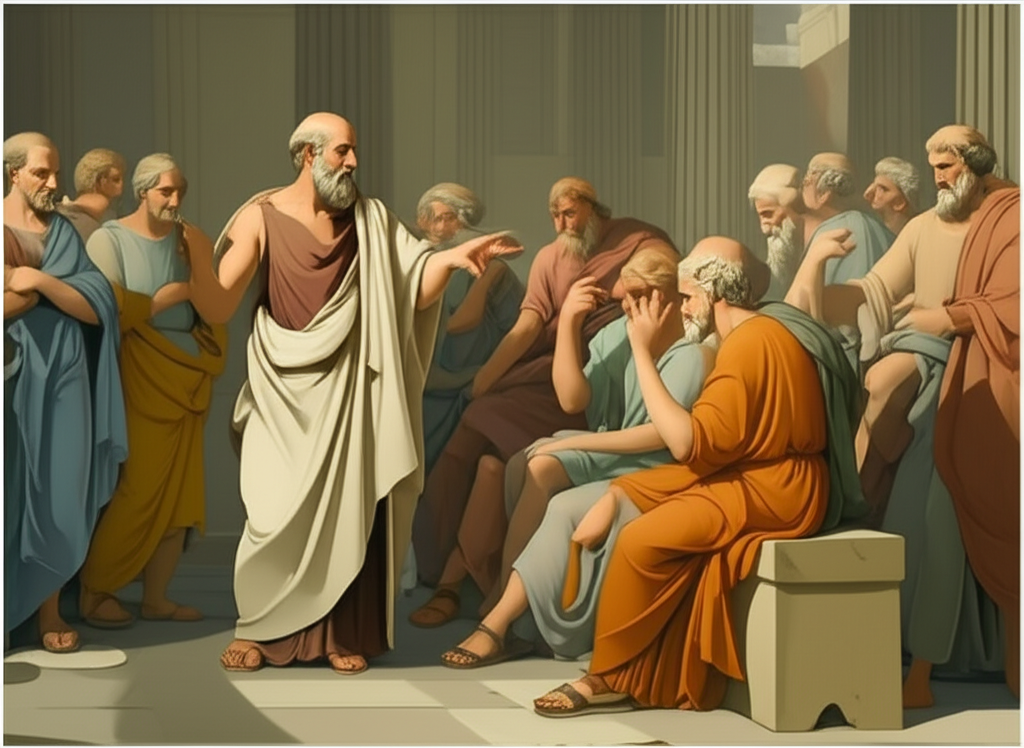
Our journey into the philosophical citizen inevitably begins with the ancient world, particularly the vibrant intellectual milieu of classical Greece. Here, citizenship was not merely a birthright but a demanding vocation, intrinsically linked to the well-being of the polis (city-state).
- Plato's Ideal Citizen: In Plato's Republic, the ideal State is one where each individual performs their assigned duty according to their natural aptitude. For the philosopher-king, this duty is to govern with wisdom; for the guardians, to protect; and for the artisans, to produce. While seemingly hierarchical, Plato's vision underscores the idea that a just State requires citizens to understand and fulfill their specific roles, contributing harmoniously to the whole. The citizen's ultimate duty is to uphold justice, as understood through rational inquiry.
- Aristotle's Active Participant: Aristotle, in his Politics, offered a more participatory view. For him, a citizen is one who shares in the administration of justice and in holding office. True citizenship, he argued, requires active participation in the deliberation and decision-making processes of the State. It is through this engagement that individuals develop civic virtue—qualities like justice, courage, and temperance—which are essential for both personal flourishing and the common good. The citizen's duty is not just to obey laws, but to help create them, guided by practical wisdom (phronesis).
The Social Contract and the Birth of Modern Duty
As societies evolved, so too did the philosophical understanding of the citizen's relationship with the State. The Enlightenment era gave rise to the concept of the social contract, fundamentally reshaping our notions of rights and duty.
Thinkers like John Locke and Jean-Jacques Rousseau posited that the legitimacy of the State derives from the consent of the governed. Citizens, by entering into this social contract, agree to surrender certain individual freedoms in exchange for the protection of their remaining rights and the benefits of an organized society.
This paradigm shift introduced a reciprocal duty:
- Citizen's Duty: To obey just laws, contribute to the common defense, and participate in the political process (whether directly or through representation). This duty is not merely subservience, but a conscious commitment to the collective good, which ultimately serves individual well-being.
- State's Duty: To protect the natural rights of its citizens (life, liberty, property), ensure justice, and act in the general will or common interest.
This mutual obligation forms the bedrock of modern democratic philosophy, where the citizen is both subject and sovereign, holding the State accountable while fulfilling their own civic responsibilities.
The Citizen as a Philosophical Agent: Beyond Compliance
The philosophical role of the citizen extends beyond simply following laws or casting a vote. It demands a critical, reflective stance—a commitment to continuous philosophical inquiry into the nature of justice, liberty, and the good society.
- Critical Engagement: A philosophically engaged citizen questions assumptions, analyzes policies, and deliberates on ethical dilemmas facing the community. They do not passively accept the status quo but actively seek to understand its foundations and potential for improvement. This might involve advocating for marginalized groups, challenging corruption, or proposing innovative solutions to societal problems.
- Shaping the State: The duty of the philosophical citizen is to contribute to the ongoing creation and refinement of the State. This involves dialogue, debate, and the courage to speak truth to power. It is through this active participation, informed by reasoned argument and ethical consideration, that society can progress towards a more just and equitable future. This requires a strong foundation in philosophy to articulate and defend one's positions.
Navigating Contemporary Challenges: The Evolving Citizen
In our rapidly changing world, the philosophical role of the citizen faces new complexities. Globalism, digital technologies, and evolving social structures challenge traditional notions of the State and civic duty.
| Aspect of Citizenship | Ancient Perspective (e.g., Greece) | Modern Perspective (e.g., Social Contract) | Contemporary Challenges |
|---|---|---|---|
| Primary Duty | Active participation in polis, cultivation of civic virtue | Obedience to just laws, protection of rights, political participation | Global issues, digital engagement, identity politics |
| Relationship to State | Organic, intrinsic to personal flourishing | Contractual, reciprocal, rights-based | Dispersed authority, transnational influences |
| Source of Authority | Community, tradition, reason | Consent of the governed, natural rights | Information overload, echo chambers, algorithmic governance |
| Philosophical Focus | The Good Life, Virtue Ethics | Justice, Liberty, Rights | Equity, sustainability, technological ethics |
The need for philosophical engagement has never been greater. Citizens must grapple with questions of data privacy, artificial intelligence's impact on society, global inequalities, and environmental stewardship. These complex issues demand not just technical solutions, but deep ethical and philosophical reflection to guide our collective actions. The citizen's duty is to bring this philosophical lens to bear on these challenges, ensuring that technological and economic progress aligns with human values and justice.
Conclusion: The Enduring Imperative of the Philosophical Citizen
The philosophical role of the citizen is an enduring and vital imperative. It calls us to be more than mere inhabitants or subjects, but active, thoughtful participants in the grand human experiment of self-governance. From the ancient polis to the modern State, the essence remains: a duty to engage critically, to deliberate ethically, and to contribute purposefully to the pursuit of a just and flourishing society. It is through this continuous philosophical endeavor that citizenship truly comes alive, transforming individuals into architects of their shared destiny.
📹 Related Video: PLATO ON: The Allegory of the Cave
Video by: The School of Life
💡 Want different videos? Search YouTube for: ""Plato's Republic explained" and "Aristotle Politics summary""
📹 Related Video: ARISTOTLE ON: The Nicomachean Ethics
Video by: The School of Life
💡 Want different videos? Search YouTube for: ""Social Contract Theory explained" and "What is Civic Duty?""