

The Philosophical Problem of Life and Death: An Enduring Inquiry into Being
The Unfolding Mystery of Existence and Non-Existence
Life and Death. These are not merely biological states but profound philosophical problems that have captivated thinkers across millennia. From the earliest human reflections to the most complex contemporary theories, the questions surrounding our existence, its finitude, and what lies beyond have shaped our understanding of reality, morality, and purpose. This pillar page delves into the multifaceted philosophical problem of life and death, exploring how humanity has grappled with the nature of Being, the concept of the Soul, and the ultimate meaning derived from our temporal journey. We will navigate the rich tapestry of Western thought, drawing insights from the foundational texts that have illuminated this perennial human predicament.
What is Life? A Philosophical Inquiry into Being
Before we can confront death, we must first attempt to define life. Beyond the biological processes of growth, reproduction, and metabolism, philosophy asks: what constitutes Being? Is life merely a complex arrangement of matter, or does it possess an irreducible essence, a spark of consciousness, or a telos?
- Biological vs. Philosophical Life: While biology provides a framework for living organisms, philosophy probes deeper into the experience of life, consciousness, and self-awareness. Is a rock "alive" in any meaningful sense? What about a highly advanced AI?
- The Nature of Consciousness: Many philosophers consider consciousness the hallmark of genuine life. Is it an emergent property of complex brains, or does it hint at something more fundamental, perhaps even a non-physical Soul?
- Purpose and Meaning: For many, life is intrinsically linked to purpose. Does life inherently possess meaning, or is meaning something we construct within our finite existence?
What is Death? The Ultimate Boundary of Being
Death presents the ultimate philosophical challenge: the cessation of Being as we know it. It is the boundary condition that defines our lives and injects urgency into our pursuits. Philosophically, death is more than just the stopping of bodily functions; it raises profound questions about identity, annihilation, and the potential for transcendence.
- Annihilation vs. Transition: Is death the absolute end of personal existence, a return to non-being, or is it a transition to another state or realm, as many religious and spiritual traditions suggest?
- The Fear of Death: Philosophers like Epicurus argued that the fear of death is irrational, for "when we are, death is not come, and when death is come, we are not." Yet, the dread of the unknown, of loss, and of ceasing to be persists.
- The Problem of Identity: If the body perishes, what happens to the "self"? Does our identity reside solely in our physical form, in our memories, or in some enduring spiritual essence?
Historical Perspectives: Great Books and Great Minds on Life and Death
The philosophical problem of life and death has been a central theme throughout the Great Books of the Western World, providing a rich lineage of thought.
Ancient Greek Foundations: Soul, Form, and the Good Life
The ancient Greeks laid much of the groundwork for Western thought on life and death, focusing heavily on the nature of the Soul and its potential immortality.
| Philosopher | Key Concept(s) | Relevant Work(s) |
|---|---|---|
| Plato | Immortality of the Soul, Forms, Dualism: Believed the soul is immortal, distinct from the body, and pre-exists and post-exists our earthly life. Death is the separation of the soul from the body, allowing the soul to return to the realm of Forms. | Phaedo, Republic |
| Aristotle | Soul as Form of the Body, Entelechy: Argued the soul is the "form" of the body, its animating principle, not a separate entity. While he believed in a universal, immortal intellect, individual souls were generally seen as mortal, perishing with the body. | De Anima |
| Epicurus | Atomism, Absence of Pain: Taught that death is the cessation of sensation and consciousness. Therefore, death is nothing to us, as "when we exist, death is not yet present, and when death is present, then we do not exist." The goal is to live a life free from pain and fear. | Letter to Menoeceus |
Medieval Interlude: Faith, Reason, and the Afterlife
With the rise of Christianity, philosophical inquiry into life and death became deeply intertwined with theological doctrines, emphasizing salvation, resurrection, and the eternal Soul.
- St. Augustine: In Confessions, Augustine grapples with human mortality, sin, and the quest for eternal life through God's grace. Life is a journey towards divine truth, and death is the gateway to judgment and either eternal bliss or damnation. The Soul is immortal and created directly by God.
- St. Thomas Aquinas: Reconciling Aristotelian philosophy with Christian theology in Summa Theologica, Aquinas argued for the immortality of the rational Soul based on its immaterial nature and its capacity for abstract thought, which cannot be reduced to material processes.
Early Modern Perspectives: Mind, Body, and Identity
The Enlightenment brought new questions about the relationship between mind and body, and the nature of personal identity in the face of death.
- René Descartes: His radical dualism, articulated in Meditations on First Philosophy, posits the Soul (mind) as an unextended, thinking substance entirely distinct from the extended, non-thinking body. This separation provides a basis for the mind's potential survival after the body's death.
- John Locke: In An Essay Concerning Human Understanding, Locke explored personal identity not as an enduring substance but as a continuity of consciousness and memory. This raises questions about whether the "self" could survive bodily death if memory is disrupted or erased.
- David Hume: A profound skeptic, Hume challenged the notion of a persistent, simple Soul or self. He argued that our experience is merely a bundle of perceptions, and we have no empirical basis to conclude the immortality of the soul.
19th and 20th Century Explorations: Existential Dread and the Affirmation of Life
The modern era saw philosophers confront mortality with new urgency, often without the comforting frameworks of traditional religion.
- Friedrich Nietzsche: Challenged conventional morality and the "other-worldly" focus of Christianity. He advocated for an affirmation of life in the face of its finitude, embracing the "eternal recurrence" as a test of one's will and values. Death is not an escape but a definitive end that gives life its preciousness.
- Existentialism (Heidegger, Sartre, Camus):
- Martin Heidegger in Being and Time famously introduced the concept of "Being-towards-Death" (Sein-zum-Tode), arguing that an authentic understanding of our own finitude is crucial for genuine existence. Death is not an event we observe but an intrinsic possibility of our own Being.
- Jean-Paul Sartre emphasized human freedom and responsibility in a world without inherent meaning. Death is the ultimate limit to our projects, but also the horizon against which our choices gain significance.
- Albert Camus confronted the "absurdity" of human existence – our search for meaning in a silent, indifferent universe. Death is the final absurd act, but we must rebel against it by embracing life's passions and creating our own value.
Key Philosophical Debates and Enduring Questions
The philosophical problem of life and death continues to animate contemporary thought, prompting crucial debates.
The Nature of the Soul and Personal Identity
- Substance Dualism vs. Materialism: Is the Soul a distinct, immaterial substance that can survive the body, or is consciousness merely an emergent property of the brain, meaning death signifies total annihilation of the self?
- Continuity of Identity: What makes me the same person over time? Is it my body, my memories, my consciousness, or something else entirely? How does death impact this continuity?
The Question of Immortality
- Desirability of Immortality: Would an endlessly long life truly be desirable, or would it lead to boredom, loss of meaning, or a different kind of suffering? Philosophers like Bernard Williams have explored the potential pitfalls of immortality.
- Technological Immortality (Transhumanism): Can advances in neuroscience, AI, and biotechnology offer pathways to extend life indefinitely, or even transfer consciousness to new substrates? What are the philosophical and ethical implications of such endeavors?
Meaning, Value, and Mortality
- Does Mortality Give Life Meaning? Many argue that the finitude of life is precisely what gives it value and urgency. If life were endless, would our choices matter as much?
- The Problem of Evil: How does the inevitability of death, often painful and unjust, fit into philosophical frameworks that seek to understand the nature of good and evil?
Ethical Implications of Life and Death Decisions
- Euthanasia and Assisted Dying: When, if ever, is it morally permissible to end a life, either one's own or another's, to alleviate suffering?
- Abortion and the Beginning of Life: At what point does a developing organism acquire the status of a "person" with a right to life?
- End-of-Life Care and Dignity: How do we ensure dignity and autonomy for individuals facing terminal illness, and what role does philosophy play in shaping our approach to death in a medicalized world?
Contemporary Reflections and Future Horizons
The philosophical problem of life and death remains as urgent as ever, fueled by new scientific discoveries and societal challenges.
- Neuroscience and Consciousness: Modern brain science continues to shed light on the neural correlates of consciousness, pushing the boundaries of the mind-body debate. Can philosophy keep pace with empirical findings?
- Environmental Ethics: The "life" and "death" of ecosystems and the planet itself have become pressing philosophical concerns. What are our responsibilities to future generations and to non-human life?
- Digital Immortality: The idea of uploading consciousness or creating digital avatars raises profound questions about what it means to be truly "alive" or to "die" in a technological age.
Conclusion: The Unending Dialogue
The philosophical problem of life and death is not a puzzle to be solved definitively but an enduring set of questions that define the human condition. From Plato's immortal Soul to Heidegger's Being-towards-Death, philosophers have continuously sought to understand our place in the cosmos, the nature of our Being, and the profound significance of our finite existence. As we continue to grapple with these fundamental inquiries, we not only deepen our understanding of ourselves but also shape the very values and choices that define our lives. The dialogue on life and death is, perhaps, the most vital conversation humanity can ever have.
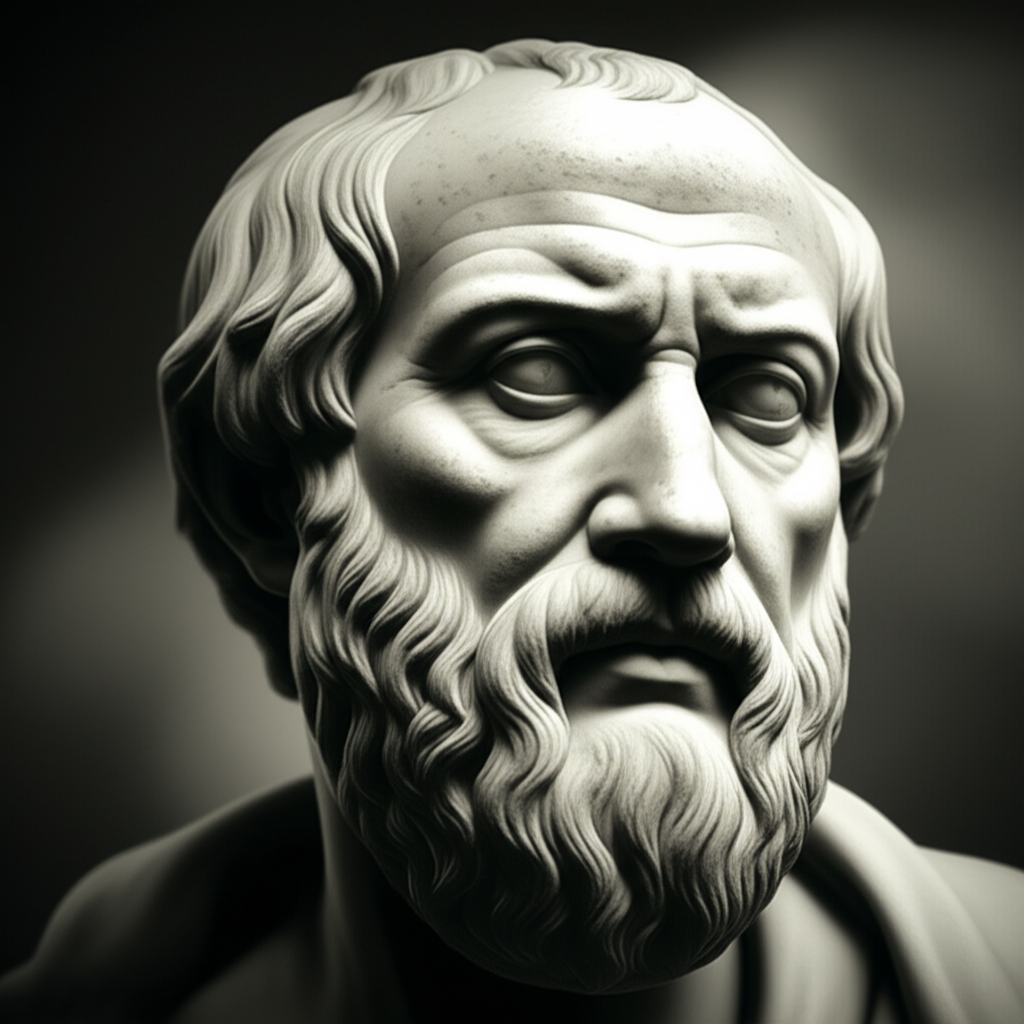
📹 Related Video: PLATO ON: The Allegory of the Cave
Video by: The School of Life
💡 Want different videos? Search YouTube for: ""Plato's Phaedo: Immortality of the Soul Explained""
📹 Related Video: EXISTENTIALISM: The Philosophy of Freedom
Video by: The School of Life
💡 Want different videos? Search YouTube for: ""Existentialism and Death: Heidegger's Being-towards-Death""