

The Weight of Creation: Unpacking the Philosophical Meaning of Labor
Summary: Beyond its economic or practical utility, labor stands as a profound philosophical concept, fundamental to understanding Man's identity, purpose, and relationship with the world. This article delves into the rich history of philosophical thought on labor, from ancient Greek notions of techne and praxis to modern explorations of alienation and self-realization. We will examine how labor shapes our existence, connects us to the cycles of Life and Death, and ultimately defines what it means to be human.
Beyond the Grindstone: What is Labor, Philosophically Speaking?
When we speak of labor, our minds often conjure images of factories, spreadsheets, or physical exertion—the daily grind. Yet, for centuries, philosophers have recognized that labor is far more than mere toil or a means to an end. It is a quintessential human activity, a crucible in which our very being is forged. From the Great Books of the Western World, we glean insights that elevate labor from a mundane necessity to a central pillar of philosophical inquiry, intimately tied to our understanding of Man, his freedom, and his place within the cosmos.
Labor as the Mark of Man: Shaping Self and World
The act of labor is, in many respects, what distinguishes Man. Unlike animals, whose actions are largely instinctual, human labor is often purposive, transformative, and imbued with meaning.
- Ancient Insights: Techne and Praxis
- For Plato and Aristotle, labor was often categorized. Techne referred to skilled craftsmanship, the production of objects, while praxis denoted action aimed at human flourishing within the polis. While physical labor was sometimes seen as beneath the contemplative life, the capacity to create and organize was deeply valued. The division of labor, as seen in Plato's Republic, was crucial for a well-ordered society, implying that collective labor underpins civilization itself.
- Locke and the Genesis of Property:
- John Locke, a pivotal figure in modern political philosophy, famously argued that labor is the foundation of property. When Man "mixes his labor" with nature, he imbues it with his essence, transforming it from common property into his own. This idea profoundly connects labor to individual agency, ownership, and the very concept of a self-possessing individual.
- Hegel and the Dialectic of Self-Consciousness:
- Perhaps one of the most profound philosophical explorations of labor comes from G.W.F. Hegel. In his Phenomenology of Spirit, the master-slave dialectic illustrates how the slave, through his labor, transforms nature and, in doing so, transforms himself. The slave, by shaping the external world, gains a self-consciousness that the master, who merely consumes the fruits of the slave's labor, cannot achieve. Labor thus becomes a path to self-realization, a process through which Man externalizes his will, confronts resistance, and ultimately recognizes himself in the transformed world. It is through this struggle that consciousness truly develops.
The act of working, then, is not merely about production; it is about self-production, about Man actively participating in the creation of his own reality and identity.
The Existential Weight: Labor, Life, and Death
The philosophical meaning of labor extends deeply into the existential questions of Life and Death. It is a struggle for survival, a quest for meaning, and a confrontation with our own finitude.
- Marx and Alienated Labor:
- Karl Marx, building on Hegel, critically examined labor under capitalism. For Marx, the very act that should define Man—his creative, productive labor—becomes a source of alienation. When Man is separated from the product of his labor, the process of labor, his species-being (his essential human nature as a creative, social being), and other men, labor becomes an oppressive force rather than a liberating one. This alienation diminishes Life, turning human activity into a mere means for subsistence, stripping it of its inherent joy and purpose.
- Marx's critique highlights the potential for labor to either affirm or deny human dignity, profoundly impacting the quality of our Life.
- Labor as a Bulwark Against Meaninglessness:
- While not always explicitly framed within the Great Books, the existentialist current running through much of modern thought suggests that labor can be a way to impose meaning on an otherwise indifferent universe. In the face of death and the often-absurd nature of existence, the act of building, creating, or even simply maintaining, offers a sense of purpose and a temporary victory against chaos. Our creations, our contributions, become a form of legacy, a way for our efforts to outlive our individual Life.
Types of Labor and Their Philosophical Resonance
Different forms of labor carry distinct philosophical implications, each contributing to our understanding of Man's multifaceted existence.
| Type of Labor | Description | Philosophical Resonance |
|---|---|---|
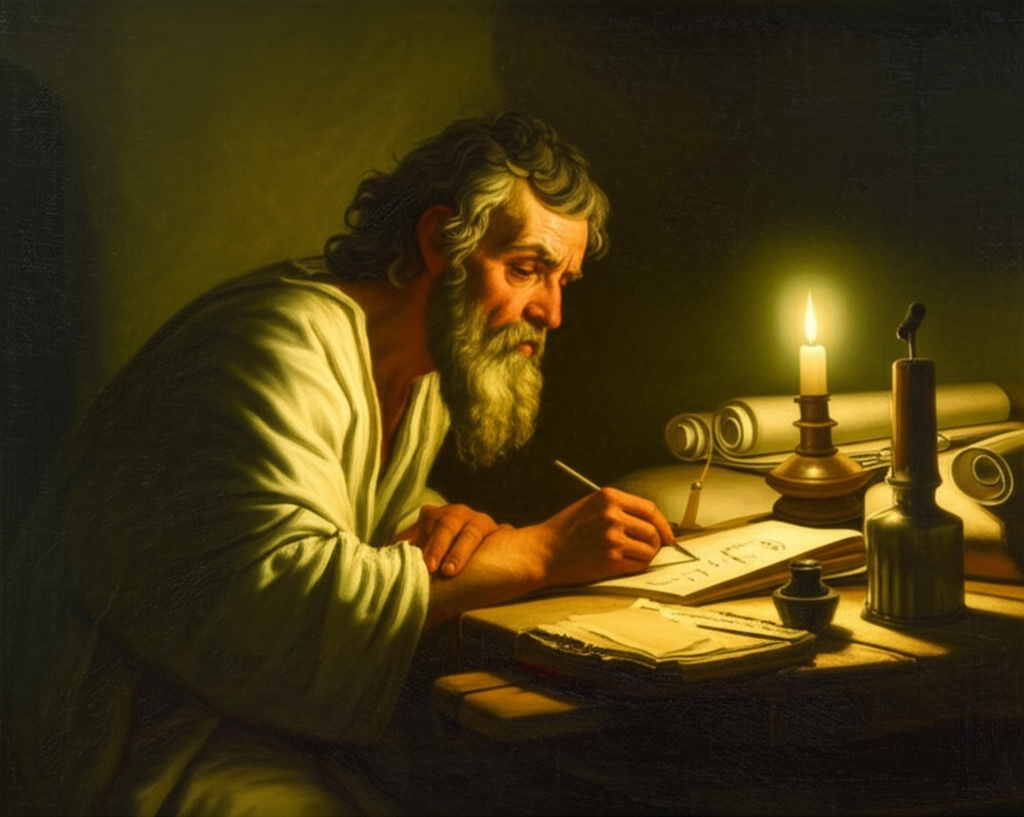
| Philosophical Labor | The *intellectual labor of philosophical inquiry itself. It's the struggle to clarify concepts, construct arguments, and understand the nature of reality. | This is the very philosophical endeavor, the man's relentless drive to question and comprehend. It's about building frameworks for life and confronting the mysteries of death through reason. |
| Productive Labor | The creation of tangible goods: a carpenter building a house, a farmer tilling the land, an artisan crafting pottery. | |
| Caregiving/Reproductive Labor | The often-unseen work of nurturing, caring for children, the elderly, or the ill, within or outside the home. This includes emotional labor and domestic maintenance. |
📹 Related Video: What is Philosophy?
Video by: The School of Life
💡 Want different videos? Search YouTube for: "The Philosophical Meaning of Labor philosophy"