

The Unseen Architect: Navigating the Philosophical Concept of Will
Summary: The philosophical concept of Will explores the faculty by which individuals make choices and initiate actions, standing distinct from mere desire or intellectual assent. This article delves into its historical evolution, examining how thinkers from ancient Greece to modern times have grappled with its nature, its relationship to the Mind and reason, and its profound implications for human agency, freedom, and moral responsibility within the broader scope of Philosophy. We will trace its development through key figures from the Great Books of the Western World, highlighting its enduring relevance to our understanding of ourselves.
Introduction: The Enigma of Human Agency
What truly drives us? Is it a symphony of instincts, a cold calculus of reason, or something more profound—a distinct inner force that directs our choices and shapes our destiny? For millennia, philosophy has wrestled with this question, leading to one of its most fascinating and fundamental concepts: the Will. Far from a simple wish or fleeting desire, the philosophical Will is often conceived as the faculty of the Mind responsible for deliberate action, self-determination, and moral agency. It is the unseen architect of our lives, the locus of our freedom, and the wellspring of our responsibility.
To understand the Will is to understand a cornerstone of human experience. It’s the internal command that translates thought into action, the force that allows us to choose against our immediate impulses, and the very foundation upon which our ethical frameworks are built. This exploration will journey through the rich tapestry of Western thought, revealing how various philosophers have grappled with the Will's nature, its power, and its intricate relationship with other faculties of the Mind.
Historical Perspectives on the Will: A Journey Through Thought
The concept of Will has undergone significant transformations, reflecting shifts in humanity's understanding of self, morality, and the divine.
Early Notions: From Ancient Reason to Christian Voluntarism
While ancient Greek philosophy often prioritized reason (logos) as the guiding force of the soul, figures like Plato, with his tripartite soul (reason, spirit, appetite), laid groundwork for understanding internal conflict. Aristotle, in his Nicomachean Ethics, explored voluntary actions, emphasizing deliberation and choice, but his focus remained heavily on intellectual virtues.
It was with Saint Augustine (354-430 CE), a pivotal figure in the Great Books, that the Will truly ascended to prominence. For Augustine, the Will was not merely a rational appetite but a distinct, powerful, and often conflicted faculty. In his Confessions, he vividly describes the struggle of "two wills fighting within me," highlighting its capacity for both good and evil, and its central role in sin and salvation. This emphasis on the Will's independent power, even against reason or God's grace, marked a significant shift towards voluntarism—the idea that the Will is primary.
Medieval Synthesis: Aquinas on Intellect and Will
Thomas Aquinas (1225-1274 CE), synthesizing Aristotelian thought with Christian theology in his Summa Theologica, offered a more integrated view. For Aquinas, the Will is a "rational appetite" that follows the intellect's judgment of the good. The intellect presents an object as good, and the Will then moves towards it. While the intellect moves the Will as a final cause (by presenting the end), the Will can also move the intellect as an efficient cause (by directing it to consider certain things). This intricate dance suggests a harmonious, though hierarchical, relationship between Mind and Will, where Will is free but guided by reason.
The Dawn of Modernity: Descartes' Infinite Will
With René Descartes (1596-1650 CE) and his Meditations on First Philosophy, the Will received renewed focus in the context of individual consciousness. Descartes argued that while our intellect is finite, our Will is practically infinite. It is the Will that allows us to affirm or deny, to assent to or reject, the ideas presented by the intellect. This infinite Will, when it assents to unclear ideas, becomes the source of human error. Descartes thereby underscored the Will's immense power and freedom, making it a central component of human agency and responsibility.
Kant's Autonomous Will: The Moral Imperative
Immanuel Kant (1724-1804 CE), in works like the Groundwork of the Metaphysics of Morals and the Critique of Practical Reason, elevated the Will to the very heart of morality. For Kant, the "Good Will" is the only thing good without qualification. A Will is good not because of what it achieves, but because it acts from duty, out of respect for the moral law. This is the concept of autonomy: the Will giving law to itself, independent of external forces or empirical desires. Freedom, for Kant, is not merely the ability to choose, but the capacity of the rational Will to act according to universal moral principles it prescribes for itself.
The Will as Primal Force: Schopenhauer and Nietzsche
The 19th century saw radical re-evaluations of the Will. Arthur Schopenhauer (1788-1860 CE), in The World as Will and Representation, posited the Will as a blind, irrational, ceaseless striving cosmic force underlying all reality. Individual desires and actions are merely manifestations of this primal, insatiable Will. For Schopenhauer, the Will is not rational or free in the Kantian sense, but a powerful, unconscious drive leading to suffering.
Friedrich Nietzsche (1844-1900 CE), deeply influenced by Schopenhauer but diverging sharply, introduced the concept of the "Will to Power." This was not merely a desire for dominance, but a fundamental drive to grow, overcome, affirm life, and create values. For Nietzsche, the Will to Power is the essence of life itself, pushing individuals beyond mere survival towards self-overcoming and the creation of new meanings, often in defiance of traditional morality.
The Will, the Mind, and Desire: An Interplay
The philosophical concept of Will is rarely considered in isolation. Its true complexity emerges in its dynamic relationship with other faculties of the Mind, particularly reason and desire.
Will vs. Reason
- Subservient Will: For many ancient and medieval thinkers (e.g., Aquinas), the Will is seen as a "rational appetite," meaning it follows the intellect's judgment of what is good or desirable. Reason illuminates the path, and the Will walks it.
- Independent Will: Augustine and Descartes, however, grant the Will a significant degree of independence, even the capacity to choose against the dictates of reason or clear understanding. This raises questions about the source of irrational choices or moral failings.
- Autonomous Will: Kant's Will is rational in a different sense—it is capable of legislating universal moral laws for itself, thereby being rational rather than merely following reason.
Will vs. Desire
This distinction is perhaps where the Will truly asserts its unique philosophical identity.
- Will as Master of Desire: Many philosophers see the Will as the faculty that can control, direct, or even suppress desires. It's the inner strength that allows us to resist temptation, pursue long-term goals over immediate gratification, or act on principle despite strong emotional pulls. This aligns with the idea of self-control and moral fortitude.
- Will as Manifestation of Desire: Schopenhauer offers a stark counterpoint, viewing individual desires as mere expressions of a deeper, universal Will. In this view, the individual Will is not truly free from desire but is, in fact, constituted by it.
- Will as Channel for Desire: Nietzsche's Will to Power can be seen as a fundamental desire or drive that organizes and directs all other, smaller desires towards growth and overcoming.
Key Questions Concerning the Will
The enduring debates surrounding the Will have generated several fundamental questions that continue to animate philosophy:
- Is the Will truly free, or is it determined by prior causes (e.g., genetics, environment, divine decree)?
- How does the Will relate to other faculties of the Mind, such as reason, emotion, and memory?
- Can we strengthen or train our Will? If so, how?
- What is the ultimate source of the Will's power and efficacy?
- Is the Will inherently good, neutral, or capable of profound evil?
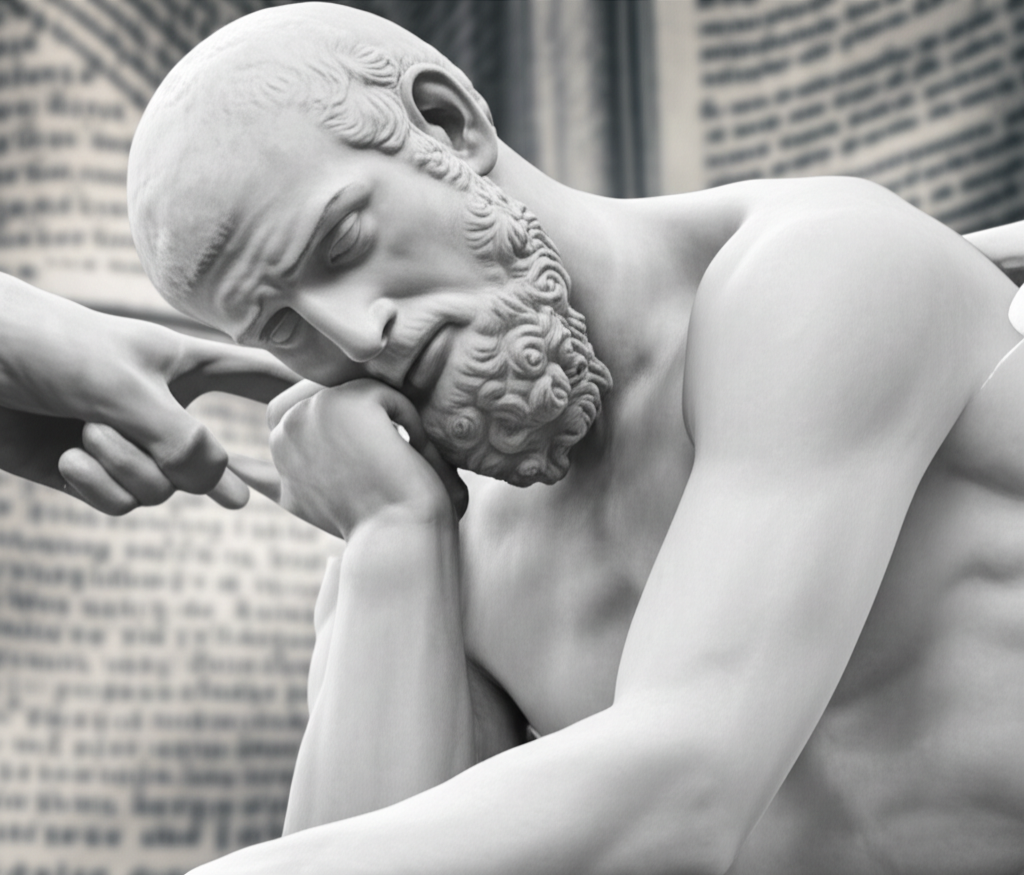
Philosophical Perspectives on the Will: A Comparative Look
To highlight the diversity of thought, consider this comparative table:
| Philosopher | Key View of Will | Relation to Mind/Desire | Implications |
|---|---|---|---|
| Augustine | A distinct, powerful faculty, often conflicted, central to moral choice and sin. | Can choose against reason/God; source of internal struggle. | Moral responsibility, need for divine grace. |
| Aquinas | Rational appetite, follows intellect's judgment of the good. | Intellect moves will (final cause); will moves intellect (efficient). | Human actions are purposeful and rational, but still free. |
| Descartes | Infinite and free, distinct from finite intellect; source of error. | Can assent to or deny intellectual judgments. | Human freedom, potential for error, need for clear and distinct ideas. |
| Kant | Capacity to act according to principles; the "Good Will" acts from duty. | Autonomous, gives law to itself, independent of empirical desires. | Morality based on duty, universal law, human dignity. |
| Schopenhauer | Blind, irrational, cosmic force underlying all phenomena and individual desire. | Desire is a manifestation of the underlying Will. | Pessimism, suffering, only temporary solace in art/asceticism. |
| Nietzsche | The "Will to Power," a fundamental drive to overcome, grow, and create values. | Organizes and directs all desires; essence of life. | Self-overcoming, creation of new values, revaluation of all values. |
The Enduring Relevance of Will
The philosophical concept of Will is not merely an academic exercise; it underpins our everyday understanding of ourselves and our place in the world. It is central to our notions of:
- Moral Responsibility: If we have a Will, we are accountable for our choices.
- Human Agency: Our capacity to initiate actions and shape our own lives.
- Self-Control and Discipline: The ability to direct our desires and energies towards chosen goals.
- Freedom and Autonomy: The very possibility of being truly free agents rather than mere puppets of circumstance or instinct.
📹 Related Video: PLATO ON: The Allegory of the Cave
Video by: The School of Life
💡 Want different videos? Search YouTube for: ""Augustine Free Will Dilemma Explained""
📹 Related Video: ARISTOTLE ON: The Nicomachean Ethics
Video by: The School of Life
💡 Want different videos? Search YouTube for: ""Kant's Ethics: Categorical Imperative and Good Will""
Conclusion: The Unfolding Power of Choice
From Augustine's internal battles to Kant's autonomous moral agent, and from Schopenhauer's blind cosmic force to Nietzsche's life-affirming Will to Power, the concept of Will has remained a vital, contested, and evolving terrain in philosophy. It is the engine of our choices, the battleground where our desires often clash with our intentions, and the ultimate expression of our Mind's profound capacity for self-determination.
Understanding the Will is to confront the very essence of what it means to be human—to choose, to act, and to bear the weight of our decisions. It reminds us that within each of us lies an unseen architect, constantly at work, shaping not only our individual lives but also the collective human story through the power of its unwavering, mysterious, and ultimately free command.