

The Unseen Architect: Exploring the Nature of Poetry and Imagination
Poetry, far from being mere verse, is a profound Art form that delves into the essence of Nature—both the external world and human experience—powered by the dynamic interplay of Memory and Imagination. This article explores how these fundamental human faculties converge to create meaning, beauty, and a unique path to understanding our existence. It positions poetry not merely as an aesthetic pursuit but as a vital mode of inquiry into the very fabric of reality.
I. The Heart of the Matter: What is Poetry?
At its core, Poetry is more than just a careful arrangement of words, rhythm, or rhyme; it is a profound way of knowing, a mode of expression that transcends literal description to capture the essence of things. It is an Art that seeks to articulate the ineffable, to give form to fleeting emotions, and to illuminate the hidden connections within the vast tapestry of Nature.
Unlike scientific prose, which aims for objective clarity, poetry often embraces ambiguity and metaphor to reveal deeper truths. It is a language of suggestion, inviting the reader to participate in the act of creation, to feel and interpret rather than merely to comprehend. The poet, in this sense, is not just a storyteller but a visionary, using language as a chisel to sculpt meaning from the raw material of experience.
II. Imagination: The Architect of Inner Worlds
The primary engine of poetic creation is Imagination. This is not to be confused with mere fantasy—the whimsical conjuring of the unreal—but rather a profound faculty that synthesizes, transforms, and creates new realities from disparate elements of experience. It is the power to see the universal in the particular, to bridge the gap between the actual and the ideal, and to perceive patterns and connections that elude ordinary perception.
The poetic imagination operates as an architect of inner worlds, constructing vivid landscapes of thought and feeling. It allows the poet to empathize deeply, to step into other perspectives, and to imbue inanimate objects or abstract concepts with life and emotion. Through this transformative power, the poet doesn't just describe the world; they re-create it, offering a fresh lens through which to engage with its complexities.
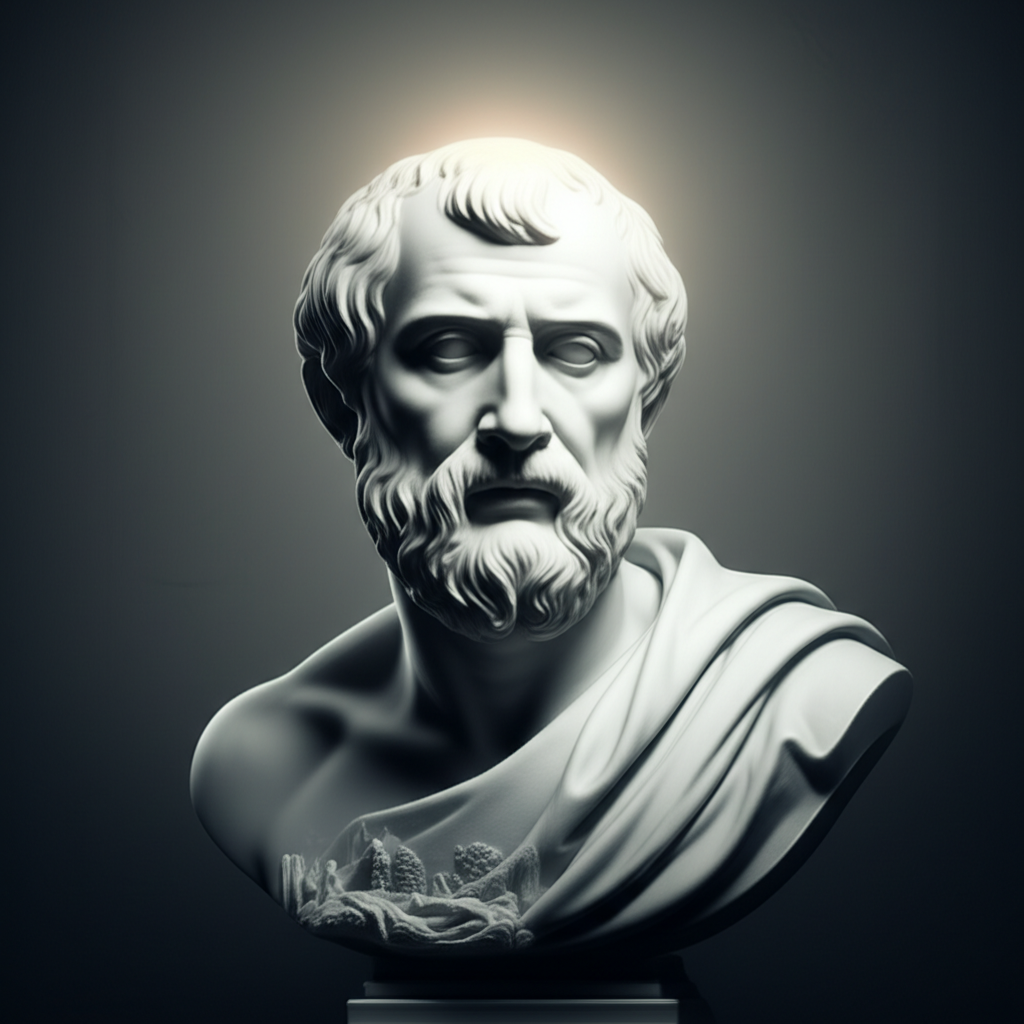
III. Memory: The Wellspring and the Workshop
Indispensable to the Imagination is the faculty of Memory. Far from being a passive archive of past events, memory serves as the wellspring from which the imagination draws its sustenance and the workshop where raw experience is refined. It is not simply the recall of facts, but a rich reservoir of sensation, emotion, imagery, and personal history that the poet re-shapes and re-interprets.
The poet often delves into Memory to retrieve not just events, but the feeling of those events—the scent of a childhood garden, the sting of a past sorrow, the exhilaration of a forgotten joy. These recollected fragments are then re-imagined, imbued with new significance, and woven into the fabric of a new poetic creation. This interplay allows poetry to transcend the purely autobiographical, transforming personal experience into universal human truth.
IV. Poetry's Unique Gaze: Reflecting and Re-creating Nature
Poetry engages with the Nature of the world around us, from the grand cosmic scale to the minutiae of a single dewdrop, and simultaneously with the nature of human experience—our loves, losses, hopes, and fears. It doesn't merely imitate nature, as some early philosophical critiques suggested, but rather interprets and re-creates it, offering a unique perspective that often reveals deeper patterns and underlying truths.
The poet, through their heightened awareness and imaginative faculty, acts as a seer, revealing hidden connections and imparting significance to what might otherwise seem mundane. Whether contemplating a vast landscape or a fleeting emotion, poetry strives to capture the essence, the quiddity, of its subject, making the familiar strange and the strange familiar. This power of revelation is what gives poetry its enduring philosophical weight as a form of Art.
V. The Philosophical Echoes: Poetry's Place in Art and Truth
Throughout the history of thought, the role of Poetry has been a subject of intense philosophical debate. From Plato's concerns about its mimetic nature and potential to mislead in his Republic, to Aristotle's defense of its capacity to reveal universal truths through imitation of action in his Poetics, poetry has consistently challenged thinkers to define its relationship to truth, reason, and reality.
Later philosophical traditions, particularly those of the Romantic era, elevated the Imagination and the poet to a revered status, seeing them as conduits to higher truths and creators of new realities. Poetry, in this view, is not merely a decorative Art but a legitimate and profound path to understanding, parallel to, but distinct from, philosophy or science. It speaks not only to the intellect but also to the soul, offering a form of knowledge that is felt as much as it is understood.
The enduring philosophical relevance of poetry lies in its ability to grapple with fundamental questions of existence, beauty, and human experience in a way that is both intellectually stimulating and emotionally resonant.
-
📹 Related Video: What is Philosophy?
Video by: The School of Life
💡 Want different videos? Search YouTube for: "Philosophy of Poetry and Imagination in Western Thought"
-
📹 Related Video: ARISTOTLE ON: The Nicomachean Ethics
Video by: The School of Life
💡 Want different videos? Search YouTube for: "Aristotle's Poetics Explained: Mimesis and Catharsis"
Conclusion: The Enduring Resonance of Poetic Vision
The journey through the Nature of Poetry and Imagination reveals an inseparable link between these profound human faculties. Memory provides the foundational material, while Imagination acts as the transformative forge, shaping raw experience into the refined gold of poetic Art.
Poetry, in its essence, is a testament to humanity's innate drive to understand, express, and create. It offers a unique lens through which to perceive the world, to connect with our shared humanity, and to explore the deepest mysteries of existence. As long as there is human experience to be felt and minds to imagine, the unseen architect of poetry will continue to build bridges between the seen and the unseen, revealing the profound beauty and truth embedded within our world.