

The Nature of God and Theological Reasoning: A Planksip Exploration
The concept of God has, for millennia, stood as a monumental pillar in human thought, shaping civilizations, philosophies, and individual lives. This article delves into the intricate relationship between the nature of God and the various modalities of theological reasoning, exploring how humanity has grappled with the divine through intellectual inquiry, spiritual revelation, and the foundational frameworks of religion. From the ancient Greeks to modern existentialists, the quest to understand God has been a primary driver of philosophical and theological discourse, often pushing the very boundaries of human comprehension and logical thought.
Grappling with the Divine: An Intellectual Journey
Humanity's engagement with the divine is not merely a matter of faith; it is deeply intertwined with rigorous intellectual pursuit. Across the vast tapestry of the Great Books of the Western World, we encounter countless attempts to define, understand, and articulate the nature of God. Whether through the cosmological arguments of Aristotle, the intricate theological systems of Augustine and Aquinas, or the critical inquiries of Kant, the impulse to reason about God has been persistent. This intellectual journey forms the bedrock of theology, which, at its heart, is the reasoned study of God.
Defining the Indefinable: Attributes of God
When we speak of the nature of God, we often refer to a set of attributes ascribed to the divine being. These attributes are not universally agreed upon across all religions or philosophical traditions, but certain concepts frequently emerge.
- Omnipotence: The quality of being all-powerful, capable of anything logically possible.
- Omniscience: The quality of being all-knowing, possessing complete and perfect knowledge.
- Omnibenevolence: The quality of being perfectly good, supremely kind, and loving.
- Omnipresence: The quality of being present everywhere at all times.
- Transcendence: God's existence above and beyond the material universe, independent of creation.
- Immanence: God's presence and active involvement within the created world.
- Eternality: God's existence outside of time, without beginning or end.
- Simplicity: The notion that God is without parts or composition, a unified being.
These attributes present profound challenges for reasoning. How can an all-powerful God allow suffering? How can an eternal being interact with a temporal world? These questions form the core of much theological and philosophical debate.
The Modalities of Theological Reasoning
Theological reasoning employs diverse methods to approach the divine. These approaches often overlap but offer distinct pathways for understanding.
-
Natural Theology:
- Description: This branch seeks to understand God through observation of the natural world and the application of human reason, independent of revealed scripture or specific religious traditions. It often relies on empirical evidence and logical deduction.
- Key Arguments: Cosmological arguments (e.g., First Cause, Contingency), Teleological arguments (e.g., Argument from Design), Ontological arguments (e.g., Anselm's argument for God's existence as a perfect being).
- Proponents: Aristotle, Thomas Aquinas, William Paley.
-
Revealed Theology:
- Description: This approach derives its understanding of God primarily from divine revelation, typically found in sacred texts (e.g., Bible, Quran, Torah), prophetic experiences, or religious traditions. Reasoning here focuses on interpreting and systematizing these revealed truths.
- Key Aspects: Exegesis (interpretation of scripture), Hermeneutics (theory of interpretation), understanding of miracles and divine intervention.
- Proponents: Augustine of Hippo, Maimonides, Martin Luther.
-
Philosophical Theology:
- Description: This interdisciplinary field applies philosophical methods and concepts to theological questions. It critically examines the coherence of theological doctrines, the rationality of religious belief, and the logical implications of divine attributes. It often acts as a bridge between natural and revealed theology.
- Key Areas: Problem of evil, divine foreknowledge and free will, the nature of religious language, arguments for and against God's existence.
- Proponents: Alvin Plantinga, Søren Kierkegaard, Immanuel Kant.
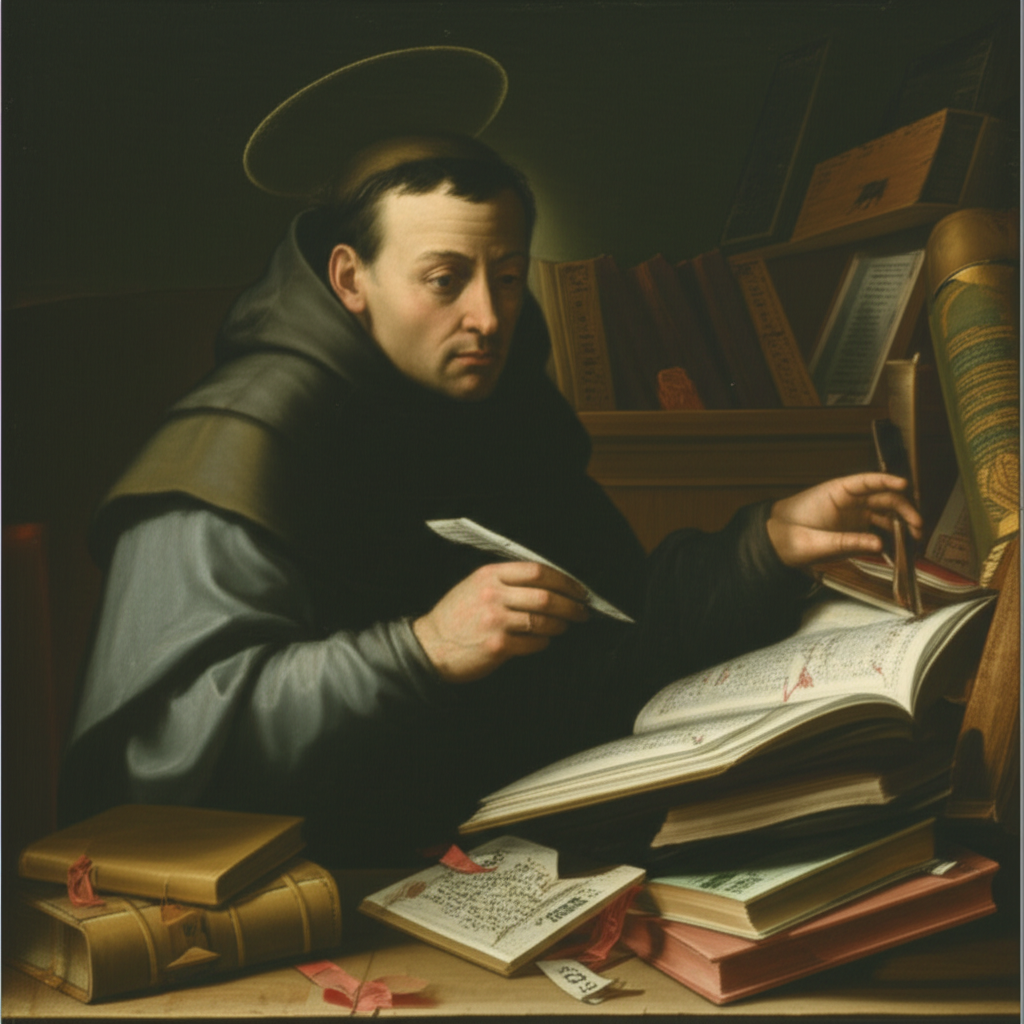
The Interplay of Faith and Reason
One of the enduring tensions in theological reasoning is the relationship between faith and reason. Is belief in God primarily an act of faith, or can it be substantiated by rigorous reasoning?
- Faith Seeking Understanding (Fides quaerens intellectum): A concept championed by Augustine and Anselm, suggesting that faith precedes and guides reason, helping it to grasp truths that might otherwise be inaccessible. Reason then serves to clarify and defend these articles of faith.
- Reason as a Prerequisite for Faith: Some argue that a certain level of rational coherence is necessary for faith to be intellectually defensible. If a theological concept is demonstrably irrational, it becomes difficult to accept, even on faith.
- Distinct Domains: Others, like Kant, suggested that faith and reason operate in largely separate spheres, with reason having limits in apprehending the transcendent, leaving space for faith.
This dynamic interplay underscores the complexity of theology as a discipline that often bridges the empirical and the metaphysical.
The Enduring Significance of Theological Inquiry
The inquiry into the nature of God and the methods of theological reasoning remains profoundly significant. It not only shapes our understanding of the divine but also influences our ethics, our worldview, and our place in the cosmos. Through the lens of religion, these intellectual endeavors find communal expression and practical application, guiding moral codes, rituals, and societal structures. The ongoing dialogue, as chronicled in the timeless works of philosophy and theology, ensures that the questions surrounding God continue to inspire rigorous thought and profound reflection, pushing humanity to ever deeper levels of inquiry.
📹 Related Video: PLATO ON: The Allegory of the Cave
Video by: The School of Life
💡 Want different videos? Search YouTube for: ""Natural Theology Arguments for God's Existence Explained""
📹 Related Video: What is Philosophy?
Video by: The School of Life
💡 Want different videos? Search YouTube for: ""Problem of Evil Philosophy Explained - Leibniz, Hume, Plantinga""