

Grappling with the Divine: The Nature of God and the Labyrinth of Theological Reasoning
In the grand tapestry of human thought, few threads are as enduring and intricate as the inquiry into the Nature of God. This article delves into how humanity, across millennia, has employed reasoning to comprehend the ultimate reality, exploring the challenges and triumphs of theological inquiry. From the ancient philosophers to the great minds of the modern era, the quest to understand God has shaped religion, philosophy, and our very understanding of existence. We will navigate the diverse approaches to conceiving the divine and examine the methodologies and limitations of human reason when confronted with the infinite.
Defining the Indefinable: The Concept of God
To speak of the Nature of God is to immediately confront a profound paradox: how does the finite mind grasp the infinite? Throughout history, as chronicled in the Great Books of the Western World, the concept of God has taken myriad forms, each reflecting the cultural, philosophical, and spiritual landscape of its proponents.
- Monotheistic God: Often conceived as an omnipotent, omniscient, and omnipresent creator and sustainer of the universe, distinct from creation yet intimately involved. This is the God of Abrahamic religions.
- Pantheistic God: The universe itself is God, or God is immanent in all things. Think of Spinoza's identification of God with Nature.
- Deistic God: A creator God who set the universe in motion according to natural laws but does not intervene in its operation. A divine clockmaker.
- Philosophical God: Often an abstract ultimate principle, a Prime Mover (Aristotle), or an ultimate ground of being, derived through pure reasoning rather than revelation.
Each conception presents its own set of challenges for theological reasoning, demanding different modes of inquiry and different intellectual tools. The very act of defining God, then, is often the first step in a complex journey of understanding.
The Tools of Inquiry: What is Theological Reasoning?
Theological reasoning is the intellectual discipline of exploring the divine, its attributes, and its relationship to the world and humanity. Unlike purely empirical science, it often operates on premises that transcend the observable, yet it strives for coherence, consistency, and a profound sense of truth. It is a form of reasoning that bridges faith and intellect, seeking to articulate what is believed, explore its implications, and defend its propositions.
Common approaches to theological reasoning include:
- Deductive Reasoning: Starting from general principles or revealed truths (e.g., scripture, dogma) and deriving specific conclusions.
- Inductive Reasoning: Observing specific phenomena (e.g., the order of the cosmos, human experience of morality) and inferring general truths about God.
- Analogical Reasoning: Understanding divine attributes by comparing them to human or natural qualities, acknowledging the limitations of such comparisons.
- Hermeneutical Reasoning: Interpreting sacred texts and traditions to discern their meaning and relevance for contemporary understanding of religion and God.
This intellectual pursuit is not merely an academic exercise; for many, it is a vital part of their spiritual journey, seeking to reconcile their intellectual understanding with their faith.
From Aquinas to Kant: Historical Perspectives on God and Reason
The historical dialogue between God and reasoning is a cornerstone of Western thought. The Great Books provide an invaluable record of this ongoing intellectual wrestling match.
- Thomas Aquinas (13th Century): A towering figure, Aquinas famously offered his "Five Ways" to prove the existence of God, primarily using Aristotelian reasoning to argue from observable effects back to a necessary first cause. For Aquinas, faith and reason were complementary paths to truth, with reason preparing the way for faith.
- René Descartes (17th Century): In his Meditations, Descartes employed radical doubt to establish certainties, including the existence of God through the ontological argument, claiming that the very idea of a perfect being implies its existence. His emphasis on clear and distinct ideas sought to ground theology in rational certainty.
- Baruch Spinoza (17th Century): Spinoza's Ethics presented a pantheistic vision where God and Nature are one and the same, an infinite substance that is the cause of all things. His rigorous geometric method was an attempt to apply pure reasoning to the most profound questions of existence, challenging traditional religious notions.
- Immanuel Kant (18th Century): Kant's Critique of Pure Reason delivered a powerful blow to traditional metaphysical proofs for God's existence, arguing that pure reason cannot transcend the phenomenal world to grasp noumenal realities like God. However, he posited God as a necessary postulate of practical reason, essential for morality and justice, thus shifting the basis of theological reasoning from theoretical proof to moral imperative.
These are but a few examples of how philosophers grappled with the divine, each contributing to the rich and complex history of theological reasoning.
The Limitations and Potentials of Human Reason in Theology
While reasoning is an indispensable tool, it faces inherent limitations when attempting to fully grasp the Nature of God. The infinite cannot be fully contained by the finite.
Limitations:
- The Problem of Analogy: When we speak of God's 'love' or 'power,' we use human categories, which are necessarily imperfect and limited.
- The Mystery of Transcendence: God, as often conceived, transcends the physical universe and human experience, making empirical verification or direct rational apprehension difficult.
- The Role of Revelation: Many religions assert that ultimate truths about God are revealed, not solely discovered by reasoning, posing a challenge to the supremacy of intellect.
- The Problem of Evil: The existence of suffering and evil in a world created by an all-good, all-powerful God remains one of the most persistent challenges to theological reasoning.
Potentials:
- Systematization of Belief: Reason helps to organize disparate beliefs into coherent theological systems, fostering deeper understanding and internal consistency.
- Ethical Frameworks: Reasoning plays a crucial role in deriving ethical principles and moral laws from divine commands or attributes, shaping societal values.
- Defense of Faith: Rational arguments can provide intellectual support for religious beliefs, engaging skeptics and strengthening the convictions of believers.
- Combating Superstition: By demanding logical consistency, reasoning can help distinguish genuine spiritual insight from irrational superstition within religion.
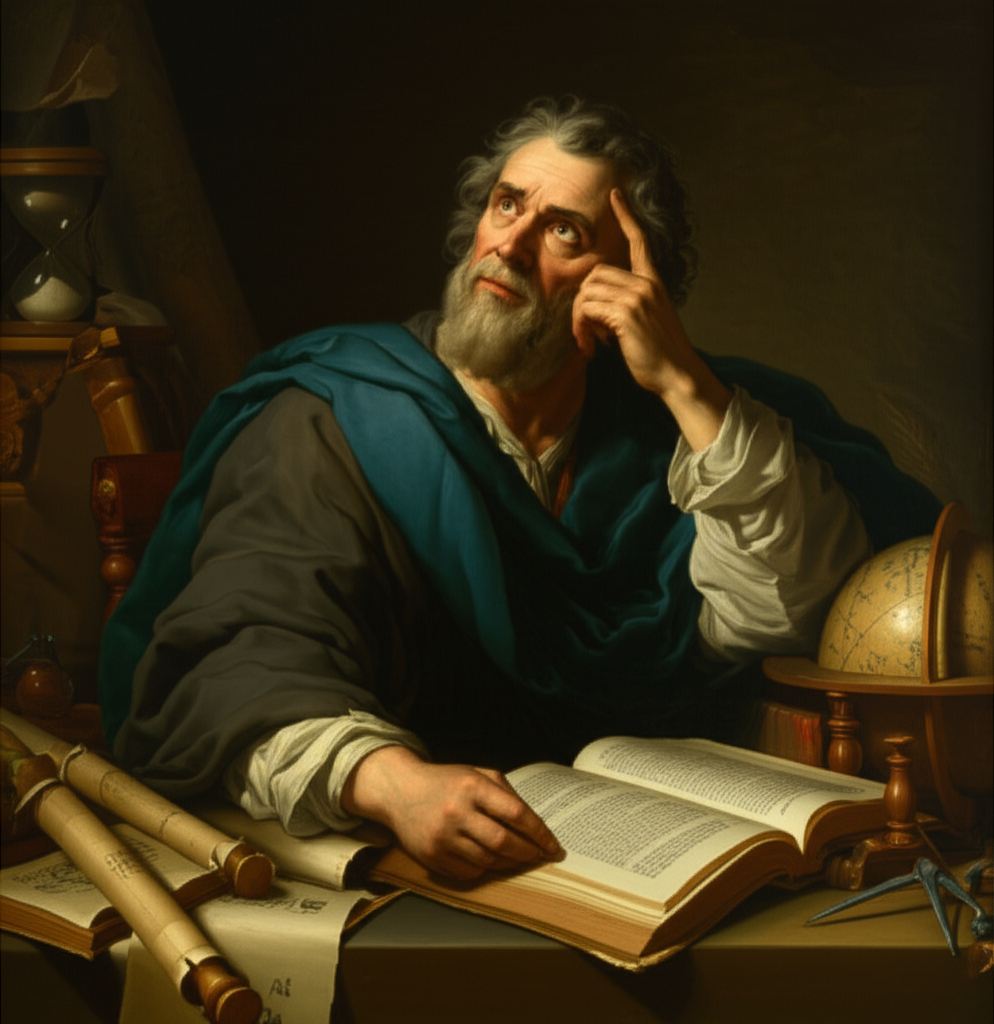
Beyond Dogma: The Ongoing Dialogue
The journey into the Nature of God and Theological Reasoning is not a destination but an ongoing exploration. It requires an open mind, intellectual rigor, and a willingness to confront profound mysteries. The dialogue between faith and reasoning, between revelation and philosophical inquiry, continues to evolve, shaping our understanding of God and our place in the cosmos. Far from being a relic of the past, the challenge of theology remains a vital, dynamic field, inviting each generation to engage with the ultimate questions that define human existence and our relationship with the divine. It is through this persistent, often uncomfortable, yet ultimately enriching process of reasoning that we continue to seek meaning in our religion and our world.
📹 Related Video: What is Philosophy?
Video by: The School of Life
💡 Want different videos? Search YouTube for: ""Aquinas Five Ways Explained Philosophy""
📹 Related Video: KANT ON: What is Enlightenment?
Video by: The School of Life
💡 Want different videos? Search YouTube for: ""Kant's Critique of Pure Reason God""