

The Eloquent Dance: Unpacking the Nature of Democracy and Rhetoric
Summary:
Democracy, at its very nature, is a system predicated on the free exchange of opinion and the collective will of its citizens. This exchange, however, is rarely a neutral process; it is profoundly shaped by rhetoric – the art of persuasion. This article delves into the intricate relationship between these two pillars, exploring how rhetoric can both empower and imperil democratic ideals, drawing insights from the foundational texts of Western thought.
Introduction: The Unseen Architect of Collective Will
In the bustling agora of modern life, the principles of democracy are constantly tested, debated, and redefined. We often speak of democracy as the rule of the people, by the people, for the people, but what truly underpins this grand ideal? It is, I argue, the dynamic interplay between the formation of public opinion and the persuasive power of rhetoric. From the ancient Greek city-states to contemporary global forums, the ability to articulate, persuade, and influence has been central to the democratic project. But what is the true nature of this relationship? Is rhetoric merely a tool, or is it an intrinsic, often problematic, component of how democracies function?
The Foundational Nature of Democracy: A Dialogue of Ideas
At its core, democracy is a system that thrives on dialogue. As we learn from the Great Books of the Western World, particularly the works of Plato and Aristotle, the ideal polis (city-state) was envisioned as a place where citizens engaged in reasoned discourse to arrive at collective decisions. This wasn't always a smooth process; indeed, the very concept of opinion was often viewed with suspicion by philosophers like Plato, who sought objective truth over mere popular belief.
- The Ideal vs. The Real: While the ideal envisions rational deliberation, the reality of democratic governance has always been messier, shaped by human passions, prejudices, and diverse interests.
- The Role of the Citizen: Active participation, including the expression of one's opinion, is fundamental. But how are these opinions formed, and how do they gain traction in the public sphere? The answer often lies in the power of articulation and persuasion.
Rhetoric: The Art and Peril of Persuasion
This is where rhetoric enters the stage, not as a peripheral player, but as a central character. Aristotle, in his Rhetoric, meticulously outlined its principles, defining it as "the faculty of observing in any given case the available means of persuasion." It encompasses not just logical argument (logos), but also appeals to emotion (pathos) and the speaker's character (ethos).
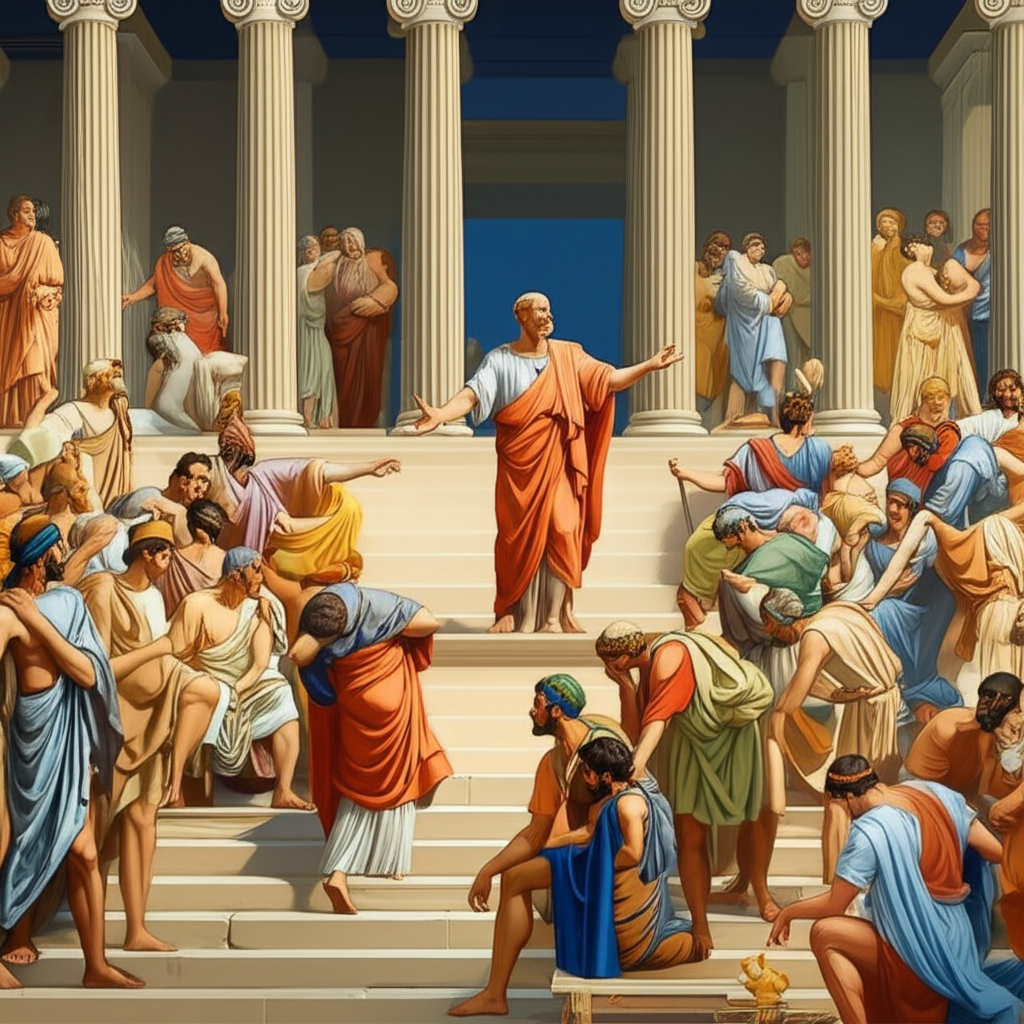
Table 1: The Components of Aristotelian Rhetoric
| Component | Description | Impact on Opinion |
|---|---|---|
| Logos | Appeal to logic and reason; factual evidence. | Forms opinions based on perceived truth and data. |
| Pathos | Appeal to emotion; evoking feelings. | Shapes opinions through empathy, fear, or desire. |
| Ethos | Appeal to credibility and character of the speaker. | Influences opinions based on trust and respect. |
The nature of rhetoric is thus dual: it can be a noble tool for enlightening citizens and fostering consensus, or a dangerous weapon for manipulation and demagoguery. The very freedom of expression inherent in democracy grants rhetoric its power, for good or ill.
The Intertwined Fate: Rhetoric, Opinion, and Democratic Health
In a democracy, public opinion is the ultimate arbiter. But opinions are not born in a vacuum; they are constantly shaped by narratives, arguments, and counter-arguments presented through various rhetorical means.
- Constructive Rhetoric: When employed ethically, rhetoric can clarify complex issues, galvanize support for just causes, and bridge divides. It allows diverse opinions to be heard and debated, leading to more informed decisions. Think of Cicero's eloquent defense of republican virtues, aiming to persuade rather than merely command.
- Destructive Rhetoric: Conversely, rhetoric can be exploited to spread misinformation, incite hatred, and polarize communities. This undermines the very fabric of democratic deliberation, replacing reasoned discourse with emotional appeals and tribal loyalties. Consider the warnings found in the Great Books against sophistry – the art of making the weaker argument appear stronger. This ancient concern remains acutely relevant today, highlighting the ongoing challenge for democracies to discern genuine persuasion from manipulative deception.
Grace Ellis's Reflection: The Ongoing Challenge
As I ponder the intricate connection between democracy and rhetoric, it becomes clear that their nature is inextricably linked. We cannot have a functioning democracy without the free flow of ideas, and that flow is, by definition, rhetorical. The challenge, then, is not to eliminate rhetoric – an impossible and undesirable task – but to cultivate a citizenry capable of critically evaluating it.
This requires:
- Philosophical Literacy: Understanding the mechanics of persuasion and the historical philosophical debates surrounding rhetoric.
- Critical Thinking: Discerning fact from fiction, reason from emotion, and identifying logical fallacies.
- Ethical Engagement: Demanding accountability from those who wield rhetorical power, and engaging in respectful, constructive debate ourselves.
The health of our democracies hinges on our collective ability to navigate the eloquent dance of words, to distinguish between rhetoric that builds and rhetoric that destroys, and to form our opinions with wisdom and discernment.
Conclusion: A Call for Deliberate Engagement
The nature of democracy is fundamentally tied to the quality of its public discourse, and therefore, to the rhetoric that shapes public opinion. It is a continuous test of our collective wisdom and our commitment to truth. By understanding the profound impact of rhetoric, we empower ourselves as citizens to engage more deliberately, to question more deeply, and to contribute to a more robust and resilient democratic future.
📹 Related Video: PLATO ON: The Allegory of the Cave
Video by: The School of Life
💡 Want different videos? Search YouTube for: ""Plato's Critique of Rhetoric in the Gorgias" for a historical philosophical perspective."
📹 Related Video: PLATO ON: The Allegory of the Cave
Video by: The School of Life
💡 Want different videos? Search YouTube for: ""Modern Political Rhetoric Analysis" for contemporary application and dangers."