

The Nature of Aristocratic Honor: A Legacy Forged in Custom
Summary: Aristocratic honor, far from being a mere sentiment, was a complex, culturally constructed system of values and behaviors that defined the elite class. Rooted deeply in custom and convention, it dictated a code of conduct encompassing virtues like courage, integrity, and magnanimity, all aimed at upholding a family's and an individual's nature within the social hierarchy. This honor was simultaneously an internal moral compass and an external measure of public esteem, acting as the very bedrock of aristocracy's legitimacy and power.
Unveiling Aristocratic Honor: A Glimpse into a Noble Past
To speak of honor in an aristocratic context is to delve into a world where reputation was currency, and a family's legacy was its most precious asset. It’s a concept that whispers through the annals of history, from the Homeric heroes of ancient Greece to the medieval knights and the enlightened gentlemen of later centuries, all figures whose nature was inextricably linked to their perceived honor. But what, precisely, was this elusive yet potent force? It was not simply a feeling of pride; it was a intricate social construct, a system of moral and ethical imperatives that governed the lives of those at the apex of society.
This nature of aristocratic honor was less about innate goodness and more about adherence to a prescribed way of being. It was a public declaration of one's worth, a testament to one's commitment to the values deemed essential for leadership and societal stability.
The Pillars of Honor: Custom and Convention as Architects of Virtue
At its core, aristocratic honor was a product of its environment, meticulously shaped by custom and convention. It wasn't handed down by divine right in a literal sense, but rather evolved through generations of shared expectations and unspoken rules. These societal norms dictated not just what was right or wrong, but what was honorable or dishonorable.
- Public Esteem and Reputation: Central to aristocratic honor was the concept of doxa or public opinion. An aristocrat's standing was constantly measured by how they were perceived by their peers and by society at large. A stain on one's honor, whether through cowardice, deceit, or a breach of etiquette, could be catastrophic, leading to social ostracization and the erosion of influence. This external validation was crucial, often more so than internal conviction.
- Virtue and Conduct: While public perception was key, it was often based on an idealized set of virtues that an aristocrat was expected to embody. Courage in battle, justice in governance, magnanimity towards inferiors, and unwavering loyalty to one's word were not just admirable traits; they were prerequisites for maintaining one's honor. These virtues, codified through custom and convention, formed the ethical framework within which the aristocracy operated.
Aristocracy's Demands: A Code of Elevated Conduct
The very nature of aristocracy — rule by the "best" — imposed a unique set of demands upon its members. Honor, in this context, was not a luxury but a fundamental necessity for legitimacy.
- Leadership and Responsibility: With privilege came responsibility. Aristocrats were often seen as the moral compass of society, expected to lead by example. Their honor was a guarantee of their commitment to the welfare of their people, a bond of trust that underpinned their authority.
- The Aristocratic Code: This unwritten code often included specific expectations:
- Courage: Both physical bravery in battle and moral fortitude in decision-making.
- Integrity: Upholding one's word, even at great personal cost.
- Magnanimity: Generosity and a noble spirit, especially towards those of lower standing.
- Justice: Fair dealing and upholding the law, even when inconvenient.
- Propriety: Adherence to strict rules of etiquette and social grace.
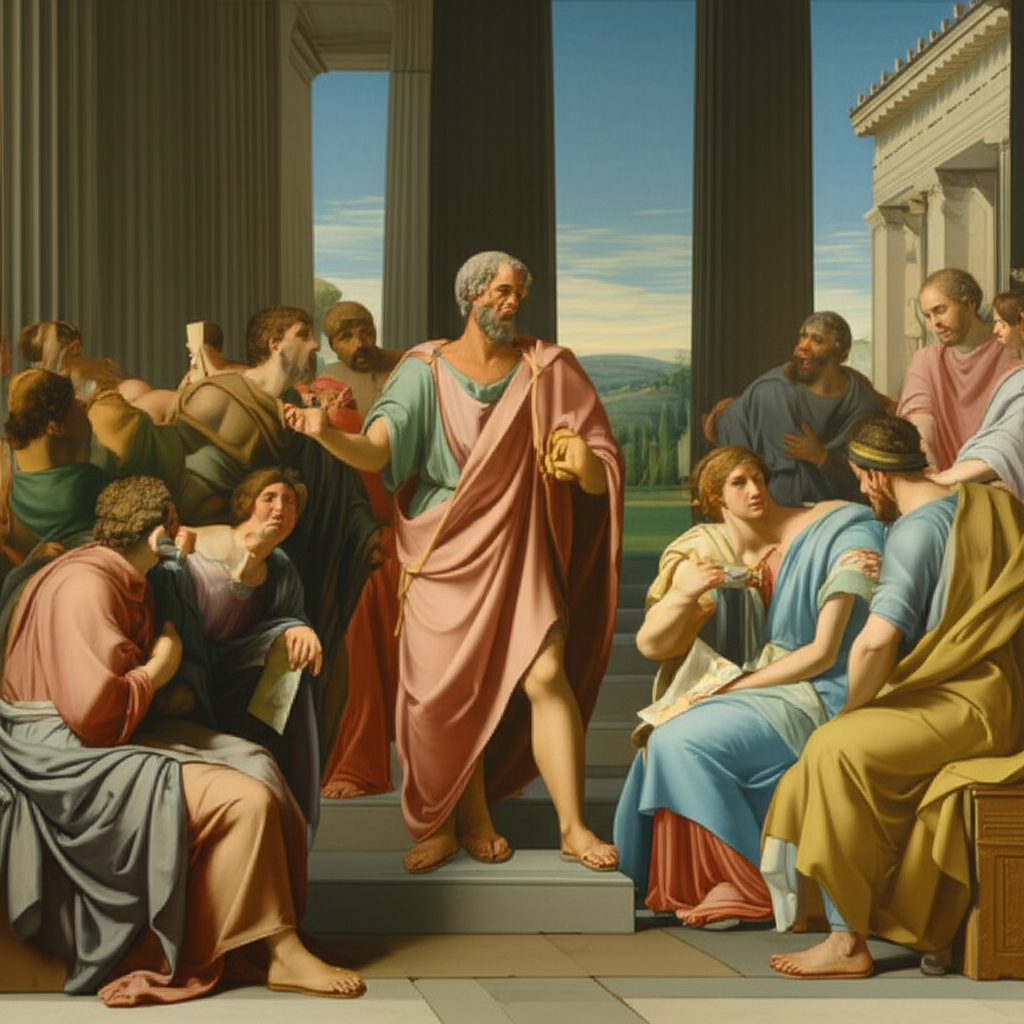
The Dual Nature of Honor: Internal Conviction vs. External Validation
The concept of honor harbored a fascinating duality, operating simultaneously as an internal moral compass and an external arbiter of social standing.
| Aspect of Honor | Description | Primary Focus |
|---|---|---|
| Internal Honor | A personal sense of self-respect, integrity, and adherence to one's own moral code. Conscience-driven. | Individual's moral compass and self-perception. |
| External Honor | Public reputation, social standing, and the esteem granted by one's peers and society. Convention-driven. | Society's judgment and recognition of an individual's adherence to a code. |
While idealistically the two were intertwined, practical realities often saw external honor take precedence. A noble might internally grapple with a difficult decision, but ultimately, the choice that preserved their public honor – and thus their family's standing – was often the one chosen, reflecting the powerful influence of custom and convention.
The Perils and Paradoxes of Honor
Despite its elevating qualities, the strictures of aristocratic honor were not without their challenges and paradoxes.
- Honor vs. Expediency: The rigid code of honor could sometimes clash with practical necessity or political expediency. Machiavelli, for instance, in the Great Books, might argue for a ruler to act against conventional virtues if it served the greater good of the state, challenging the very nature of honor as an absolute.
- Exclusivity and Hierarchy: Honor, by its very definition, was exclusive. It served to distinguish the aristocracy from the common populace, reinforcing social hierarchies and often leading to a sense of inherent superiority that could breed arrogance and injustice.
- The Burden of Expectation: The constant pressure to uphold an impeccable image could be an immense burden, leading to duels over perceived slights, rigid adherence to tradition even when outdated, and a fear of failure that stifled innovation.
Conclusion: Echoes of a Bygone Era?
The nature of aristocratic honor, forged in custom and convention, offers a profound lens through which to understand the values, power structures, and moral dilemmas of past societies. While the overt system of aristocratic honor has largely faded, its echoes persist in our modern understanding of integrity, reputation, and leadership. The tension between internal conviction and external validation, the societal demand for virtuous conduct, and the complex interplay of personal and public identity remain timeless themes. Studying this historical phenomenon allows us to reflect on how our own societies construct and value honor today, and whether we have truly escaped the subtle influence of custom and convention.
YouTube:
- "The Philosophy of Honor: Ancient Greek Perspectives"
- "Aristotle's Ethics: Virtue, Honor, and the Good Life"
📹 Related Video: What is Philosophy?
Video by: The School of Life
💡 Want different videos? Search YouTube for: "The Nature of Aristocratic Honor philosophy"