

The Nature of Animal Life and Death: A Philosophical Inquiry
The bustling, vibrant tapestry of the natural world constantly presents us with profound philosophical questions, perhaps none more fundamental than those surrounding Animal Life and Death. From the fleeting existence of an insect to the majestic longevity of a whale, the journey of every creature is a testament to the intricate dance of existence and impermanence. This article delves into the philosophical dimensions of what it means to be an animal, to live, and ultimately, to die, exploring how these cycles within Nature challenge and inform our understanding of life itself, drawing insights from the timeless wisdom of the Great Books of the Western World.
Unpacking the Enigma of Animal Existence
What distinguishes an animal from a plant, or indeed, from a human? Philosophers throughout history have grappled with this very question, seeking to define the essence of Animal Life. Aristotle, in works like De Anima and Parts of Animals, meticulously observed the natural world, categorizing beings by their capacities. For him, animals possessed not just the nutritive soul (shared with plants), but also the sensitive soul – the ability to perceive, to move, and to experience pleasure and pain.
Key Characteristics of Animal Life:
- Sensation and Perception: The capacity to interact with and respond to the environment through senses.
- Voluntary Motion: The ability to move from one place to another, driven by internal impulses or external stimuli.
- Nutrition and Growth: The fundamental biological processes of sustaining life and developing.
- Reproduction: The imperative to perpetuate the species, ensuring the continuation of Life within Nature.
These fundamental characteristics paint a picture of beings intimately connected to their immediate environment, driven by instincts and needs that are often starkly direct. The inherent telos, or purpose, of an animal's existence often appears singularly focused on survival, propagation, and the continuation of its species within the grand scheme of Evolution.
The Inevitability of Animal Death: A Natural Imperative
Just as birth marks the beginning of Animal Life, Death is its universal, inescapable conclusion. This cycle is not a flaw in Nature's design but an integral, often brutal, mechanism driving Evolution. From the predator-prey dynamic to the simple wearing down of biological systems, Death clears the way for new life, new adaptations, and the constant flux that defines the natural world.
The Role of Death in Natural Selection:
- Resource Management: Death ensures that resources are recycled and available for new generations.
- Genetic Renewal: It removes less adaptable individuals, promoting the survival of the fittest.
- Ecosystem Balance: Predators keep prey populations in check, preventing overgrazing and maintaining biodiversity.
The philosophical implications of Animal Death are profound. Does an animal "know" it is dying? Do they fear it in the same way humans do? While we cannot definitively answer these questions, the raw, unadorned reality of Death in the animal kingdom serves as a powerful reminder of our own mortality, stripped of the elaborate rituals and philosophical constructs we've built around it.
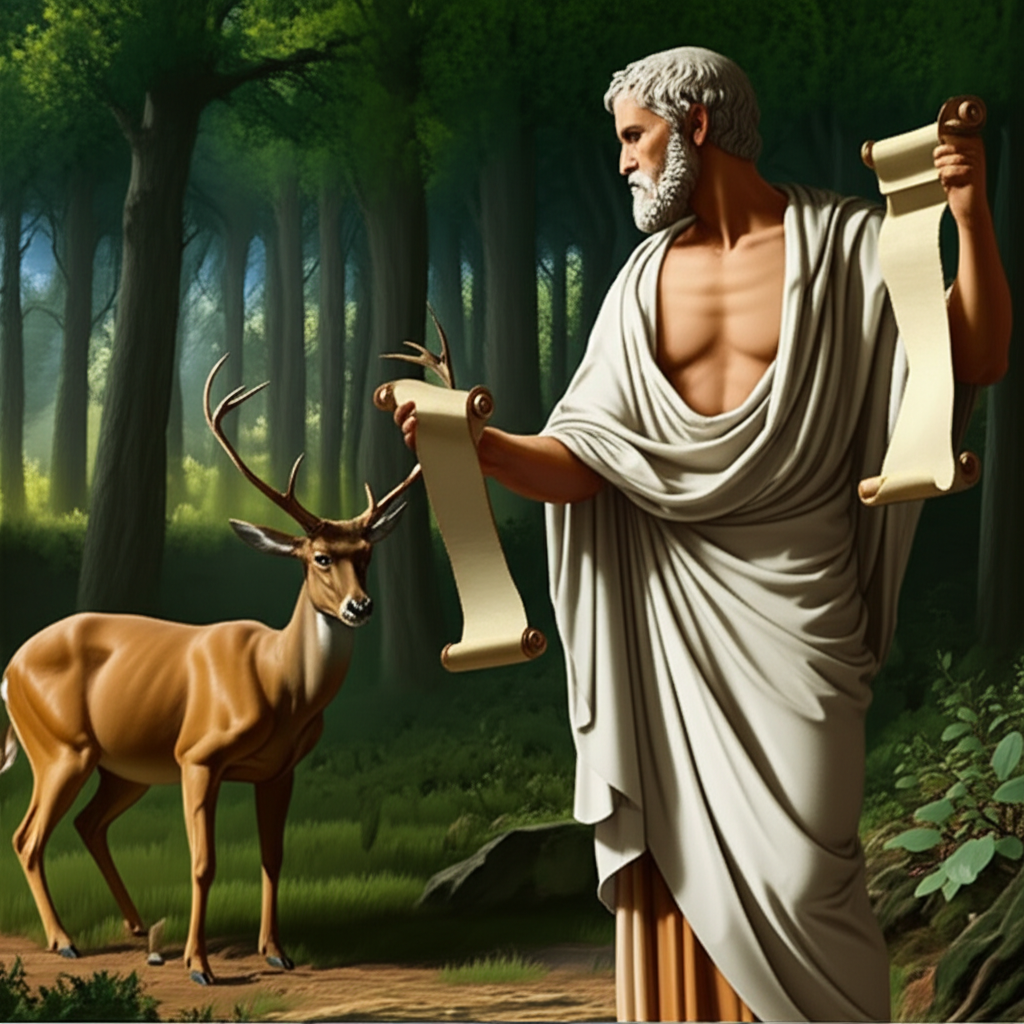
Our Relationship with Animal Life and Death: Ethical and Existential Reflections
Our understanding and treatment of Animal Life and Death reveal much about our own humanity. The Great Books offer a spectrum of views, from Aristotle's hierarchical ordering of beings (where humans, with their rational souls, sit atop) to later philosophical movements that questioned anthropocentric biases.
Ethical Considerations in Human-Animal Interaction:
- Responsibility: As the species with the most significant impact, what are our moral obligations to other animals?
- Suffering: Is it ethical to cause pain or distress to animals, even for human benefit?
- Conservation: How do we balance human progress with the preservation of animal species and their natural habitats?
The rise of Evolutionary theory, particularly through Darwin's work (which, though later than many Great Books, fundamentally reshaped our understanding of Nature), underscored the deep biological interconnectedness of all living things. This perspective blurs the sharp lines once drawn between human and Animal, suggesting a shared ancestry and a common vulnerability to the forces of Life and Death.
Ultimately, observing the elegant simplicity and brutal honesty of Animal Life and Death in Nature can be a profoundly humbling experience. It reminds us that we are not separate from, but rather an integral part of, the grand biological narrative. The philosophical contemplation of animal existence offers a mirror, reflecting our own questions about purpose, suffering, and the ultimate meaning of our fleeting time on this planet.
YouTube Video Suggestions:
-
📹 Related Video: ARISTOTLE ON: The Nicomachean Ethics
Video by: The School of Life
💡 Want different videos? Search YouTube for: "Aristotle De Anima explained"
-
📹 Related Video: ARISTOTLE ON: The Nicomachean Ethics
Video by: The School of Life
💡 Want different videos? Search YouTube for: "Philosophy of Animal Rights and Ethics"