

The Intricate Dance of Matter: Unpacking the Mechanics of the Animal Body
The study of the animal body, viewed through the lens of mechanics, reveals a profound intersection of philosophy and physics. From the earliest inquiries into the nature of life, thinkers have grappled with how living organisms, composed of mere matter, can exhibit such complex and purposeful motion. This article delves into the historical and philosophical journey of understanding the mechanics that govern the animal form, exploring how ancient observations and modern scientific principles converge to explain the fundamental operations of life. We will uncover how the laws of physics are not merely applicable to the inanimate world but are the very architects of biological function, from the grand movements of a lion to the subtle pulse of a single cell.
The Animal as an Engineered Marvel: A Philosophical Inquiry
From the ancient Greeks to the Enlightenment, the concept of the animal body as a kind of machine has captivated philosophical thought. Aristotle, in his On the Parts of Animals, meticulously cataloged structures and functions, inferring purpose from design, laying groundwork that, while not explicitly mechanistic in the modern sense, nevertheless sought to understand the mechanics of how organisms achieved their ends. Centuries later, René Descartes would famously articulate a more explicit mechanistic view, positing that animals were mere automatons, complex clockworks devoid of a rational soul, driven solely by the laws of physics acting upon their matter.
- Ancient Insights into Biological Engineering: Aristotle's teleological approach, while distinct from modern physics, sought to understand why parts of an animal body were structured as they were. His detailed observations of anatomy and physiology were, in essence, an early form of biomechanical analysis, examining how limbs provide leverage or how organs contribute to vital processes.
- Descartes and the Clockwork Universe: Descartes' radical assertion that animals were purely mechanical systems, driven by hydraulic principles and nerve impulses, profoundly shifted the paradigm. He saw the body as a machine, its operations fully explicable by the laws of physics, a collection of matter in motion. This perspective laid the groundwork for modern physiology and biomechanics, despite its philosophical implications for consciousness and the soul.
Fundamental Principles: Physics in the Flesh
At its core, the mechanics of the animal body is an elaborate display of physics. Every movement, every internal process, from the beating of a heart to the contraction of a muscle, can be broken down into fundamental physical principles.
Force, Motion, and Leverage
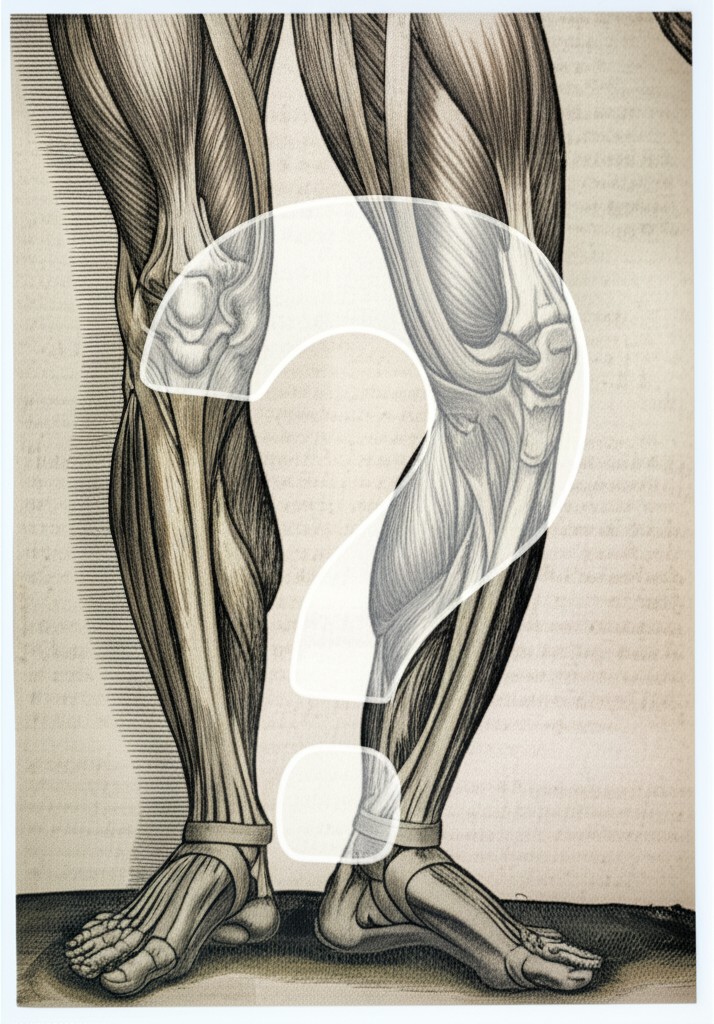
The musculoskeletal system of an animal is a prime example of applied mechanics. Bones act as levers, muscles provide the force, and joints serve as fulcrums.
| Component | Mechanical Role | Physical Principle | Example in Animal Body |
|---|---|---|---|
| Bones | Levers, structural support | Lever Principle | Femur in locomotion |
| Muscles | Force generation | Contraction, tension | Biceps lifting a limb |
| Joints | Fulcrums, pivots | Rotation, articulation | Knee joint |
| Tendons | Transmit force | Tension, elasticity | Achilles tendon |
The efficiency of these systems is a testament to natural selection's role in optimizing mechanical advantage, allowing animals to run, jump, swim, and fly with remarkable agility.
Fluid Dynamics and Internal Systems
Beyond gross movement, the internal mechanics of an animal are equally fascinating.
- Circulation: The cardiovascular system is a sophisticated hydraulic network. The heart acts as a pump, generating pressure to circulate blood (a non-Newtonian fluid) through arteries, capillaries, and veins. This involves principles of fluid pressure, resistance, and flow dynamics.
- Respiration: The lungs function as a bellows system, relying on pressure differentials to draw air in and expel it. The elasticity of lung tissue and the action of the diaphragm and intercostal muscles exemplify mechanical work.
- Digestion: The peristaltic movements of the digestive tract are waves of muscular contraction, mechanically processing and moving food through the system, a complex interplay of pressure and muscular force.
Beyond Reductionism: The Organized Matter
While the mechanics of the animal body can be explained by physics, the sheer complexity and self-organizing nature of living matter often prompt deeper philosophical questions. Is an animal merely the sum of its mechanical parts, or is there an emergent property that transcends the purely physical? This debate, echoed in the historical tension between vitalism and mechanism, continues to inform our understanding. The ability of matter to self-assemble, repair, and adapt, guided by genetic information, suggests a level of organization that goes beyond simple clockwork.
- The intricate feedback loops, the adaptability to environmental changes, and the capacity for learning and memory in higher animals push the boundaries of a purely reductionist mechanical explanation. While the underlying physics is undeniable, the emergent phenomena raise questions about the nature of life itself.
Conclusion: An Ongoing Symphony of Mechanics and Meaning
The study of "The Mechanics of the Animal Body" is a perpetual journey that bridges the empirical rigor of physics with the profound inquiries of philosophy. From the earliest observations of Aristotle to the sophisticated biomechanical analyses of today, understanding how matter organizes itself into functional animal forms remains a central quest. It challenges us to appreciate the elegance of physical laws as they manifest in biological systems, while also prompting reflection on the unique qualities that define life. The animal body, in all its intricate glory, stands as a testament to the powerful, beautiful, and sometimes perplexing interplay of mechanics, physics, and the very essence of living matter.
📹 Related Video: ARISTOTLE ON: The Nicomachean Ethics
Video by: The School of Life
💡 Want different videos? Search YouTube for: ""Aristotle on the Soul and Body philosophy""
📹 Related Video: KANT ON: What is Enlightenment?
Video by: The School of Life
💡 Want different videos? Search YouTube for: ""Descartes' Mechanistic View of Animals and Humans""